

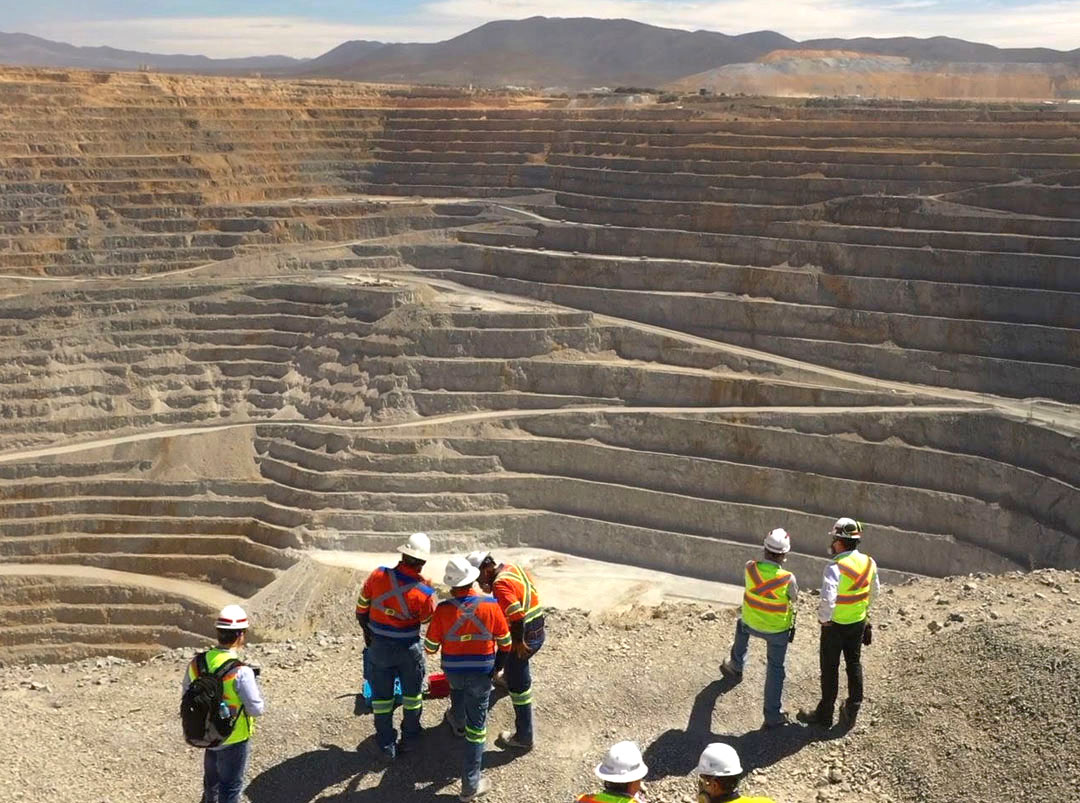

- Chinese Mining Giant Uncovers $145 Million Fraud Scheme at Congo Copper-Cobalt Mine
Chinese mining group Jinchuan Group International Resources has uncovered an alleged $145 million fraud scheme linked to its copper and cobalt operations in the Democratic Republic of Congo, exposing serious weaknesses in procurement controls and financial oversight at one of its African mining assets.
The alleged fraud was identified at the company’s Ruashi Mine, where former local employees are accused of exploiting weak internal systems between 2019 and 2024 to divert company funds through suppliers and intermediaries with no clear business justification.
According to disclosures cited by Business Insider Africa, investigators identified about $137.4 million in payments to 12 suspect suppliers, along with an additional $7.1 million transferred to the personal bank account of a former employee.
The findings followed an independent investigation into years of questionable procurement transactions, fabricated invoices and suspicious cash payments tied to the mine’s operations.
Jinchuan also disclosed that investigators reviewed $66.8 million in expenditures linked to what it described as “government-related affairs” in the DRC. These included payments routed through a third-party intermediary hired to negotiate tax disputes and penalties with local authorities.
However, the company said investigators found no evidence that employees instructed the intermediary to make illegal payments to government officials. It also said no evidence linked senior management at the Hong Kong-listed parent company to the alleged misconduct.
The company’s special investigation committee concluded that the alleged fraud was carried out mainly by employees at the Ruashi Mine who took advantage of weak procurement systems and limited financial controls at the Congo operation.
The case is significant because the DRC is one of the world’s most important sources of cobalt and copper, both critical to electric vehicles, batteries, renewable energy technologies and wider energy transition supply chains. Any governance weakness in the sector therefore carries implications beyond one company’s balance sheet.
For investors, the Jinchuan case raises familiar questions about mining governance in high-risk jurisdictions: how procurement is controlled, how suppliers are verified, how payments are approved, and how multinational firms monitor local operating subsidiaries.
Procurement fraud is especially dangerous in mining because of the scale and complexity of expenditure. Mines depend on large volumes of equipment, fuel, maintenance, logistics, security, engineering services, construction inputs and contractors. Where oversight is weak, supplier networks can become channels for inflated invoices, fictitious services and related-party abuse.
The Ruashi Mine revelations also come at a time when Chinese mining interests across Africa are under increasing scrutiny. Chinese companies have become major players in African minerals, particularly in the DRC, where copper and cobalt assets are central to global clean-energy supply chains.
But the wider sector has faced allegations over illegal mining, environmental damage, weak community protections and opaque transactions. In January 2025, three Chinese citizens were sentenced to prison in the DRC for unauthorised mineral exploitation, fraud, money laundering and looting, reflecting growing official efforts to clamp down on illicit mining activity.
Separately, Associated Press investigations have reported concerns over Chinese-linked mining activities affecting protected areas in eastern Congo, including environmental damage, deforestation and water contamination around sensitive ecological zones.
The Jinchuan case is different in nature because the alleged misconduct appears to have been internal procurement fraud rather than illegal mining. But it adds to the broader governance concerns surrounding Africa’s strategic minerals sector.
For Jinchuan, the immediate priority will be to recover funds where possible, strengthen internal controls, reassess supplier relationships and reassure investors that the alleged fraud was contained and not linked to group-level management.
The company has said it has tightened controls following the investigation, a move likely to include stronger procurement approval processes, supplier due diligence, payment verification, internal audit checks and local management accountability.
For the DRC, the case reinforces the need for stronger oversight of mining operations in a sector that sits at the centre of global demand for critical minerals. The country’s copper and cobalt reserves are among its most valuable economic assets, but weak governance can allow mineral wealth to leak through corruption, fraud, informal networks and poorly monitored commercial arrangements.
The wider lesson for African mining jurisdictions is clear: value retention is not only about royalties, taxes or state participation. It also depends on whether mining companies and regulators can prevent revenue leakage through procurement abuse, inflated costs and weak internal controls.
In a sector where billions of dollars flow through contractors and suppliers, governance failures can quietly drain value long before profits are declared or taxes are assessed.
The Ruashi Mine fraud allegations therefore carry a warning for mining companies operating across Africa: the next frontier of extractive accountability is not only what companies produce, but how they spend, procure, contract and control money inside the mine gate.

