


- Competition law seminar sharpens pressure for coherent market rules in Ghana
A one-day seminar in Accra has added fresh momentum to calls for Ghana to adopt a coherent, economy-wide competition law, as lawyers, regulators, consumer advocates and members of the judiciary warned that the country’s current patchwork of sector-specific rules is no longer adequate for a modern market economy.
The event, organised by the Competition & Markets Center with lectures delivered by competition law experts from King’s College London, brought together public and private sector participants at a time when Ghana’s long-discussed competition bill appears to be moving closer to Parliament.
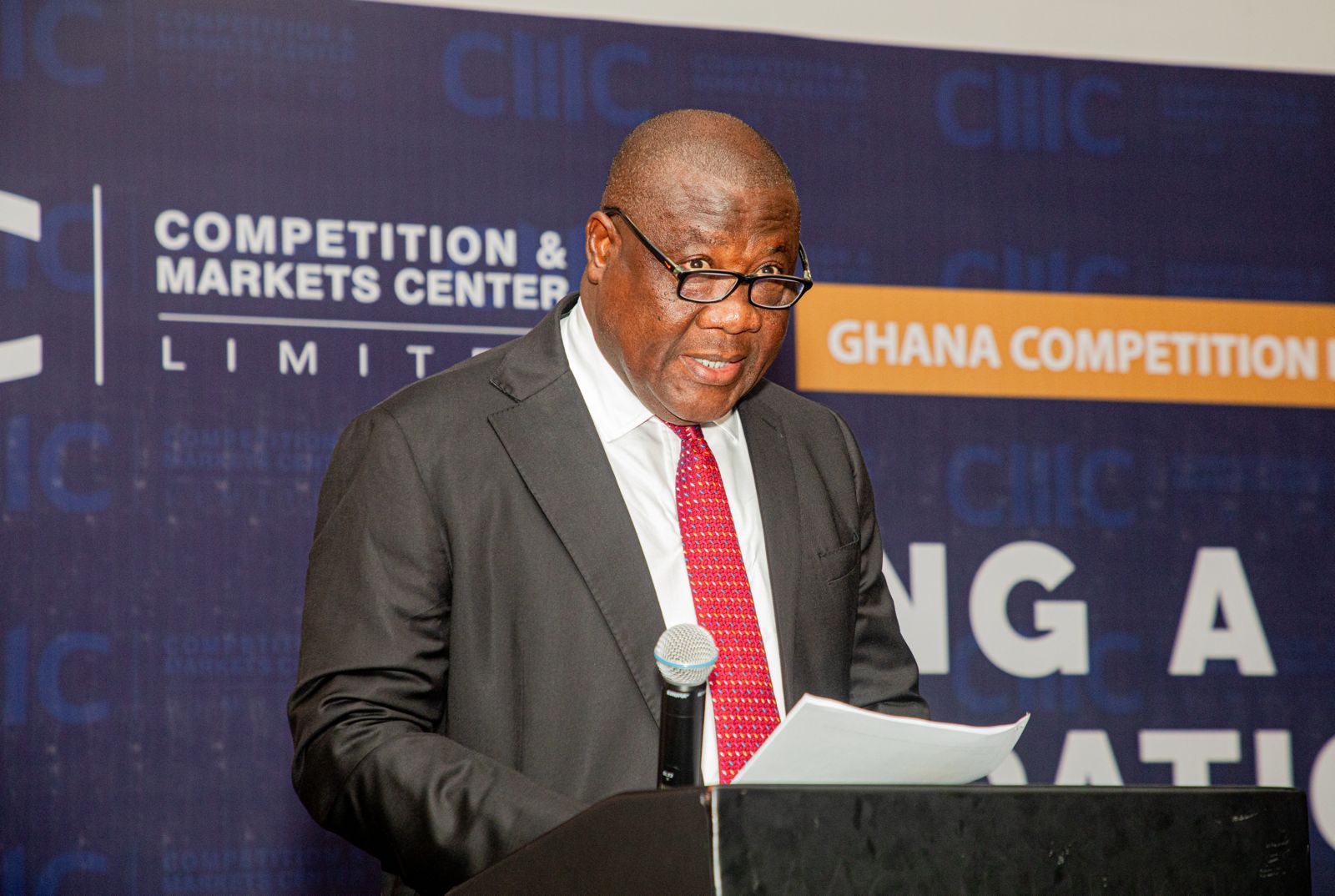
Opening the seminar, Benson Nutsukpui, managing partner of Kuenyehia & Nutsukpui and a former president of the Ghana Bar Association, argued that Ghana’s present framework remains too fragmented to deal effectively with anti-competitive conduct such as cartels, abuse of dominance and merger control. He said the absence of a dedicated competition authority has left the country relying on scattered statutes and sector mandates that struggle to respond to increasingly complex market behaviour.
His intervention went to the heart of a policy question Ghana has deferred for years: whether a fast-changing economy can continue to depend on narrow regulatory silos while market power, digital platforms and cross-sector concentration become more important. Nutsukpui pointed to the long-running dispute between Internet Ghana Limited and Ghana Telecom as a practical example of how the lack of a structured competition regime can prolong conflict and weaken enforcement outcomes.
The broader argument from the seminar was that competition law is no longer a niche legal debate. It is increasingly being framed as part of Ghana’s growth architecture, with implications for consumer welfare, business certainty, regulatory credibility and the country’s readiness to operate within a more integrated continental market.
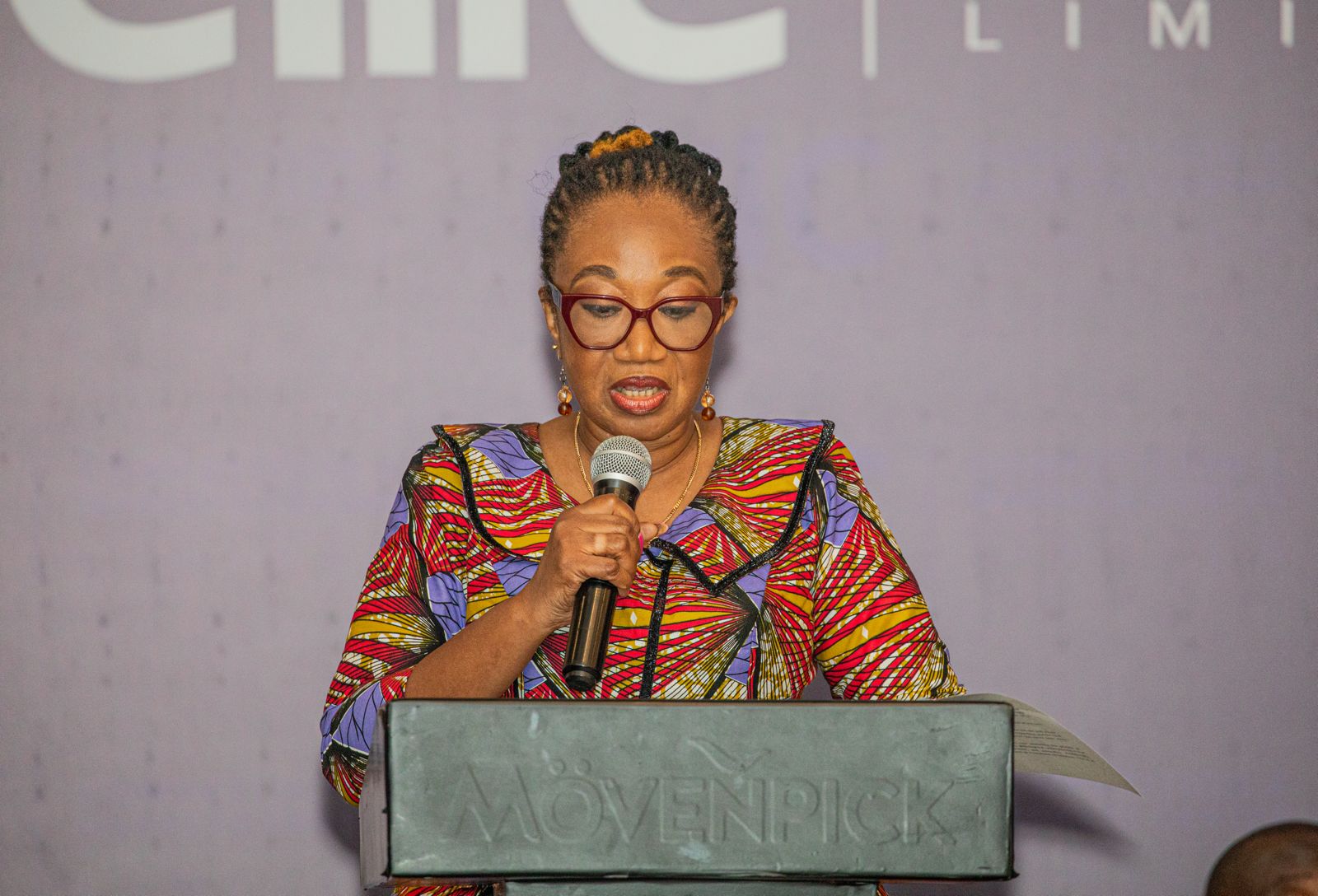
That point was reinforced by the keynote speaker, Dr Juliette Twumasi-Anokye, chair of the ECOWAS Regional Competition Authority’s decision-making council, who situated the issue within Ghana’s regional and continental obligations. She said the ECOWAS Treaty and the AfCFTA Protocol on Competition Policy make coherent domestic enforcement not merely desirable, but necessary. In her view, competition law should be understood not as protection for individual firms, but as protection for the competitive process itself.
Her remarks also highlighted a deeper institutional challenge. Passing legislation, she suggested, would be only the first step. Effective enforcement would require a far wider ecosystem of capacity, including economic expertise, trained investigators, judicial understanding and the tools to confront increasingly sophisticated market conduct, especially in digital sectors.

That concern over technical design ran through the seminar. Peter Alexiadis, visiting professor at King’s College London and former Brussels partner-in-charge at Gibson, Dunn & Crutcher, focused on weaknesses in the draft bill itself, including the treatment of intellectual property rights and the definition of market power. His warning was that a regime that diverges too far from internationally accepted methodologies could generate distorted regulatory outcomes and damage the very markets it is meant to protect.
David Bailey KC, professor of practice law at King’s College London and standing counsel to the UK Competition and Markets Authority, made a related case for balancing rigorous enforcement with business predictability, particularly as global competition law evolves around digital markets. A well-designed framework, he argued, should serve as an enabler of innovation rather than a brake on it.
The immediate significance of the seminar, however, lies in timing. Kofi Datsa, managing director of the Competition & Markets Center, described it as one of the final opportunities for constructive stakeholder input before the draft bill is laid before Parliament. His message was blunt: once a bill is passed, the architecture is largely fixed. What remains open now is the chance to shape that architecture before it hardens into law.

That framing matters because Ghana’s competition debate has often moved in cycles of discussion without resolution. What appears to be changing now is the convergence of domestic reform pressure with regional trade integration. As AfCFTA institutions develop and market access becomes more continental, the absence of a credible domestic competition regime could become more than a legal gap. It could become a competitiveness problem.
The range of institutions represented at the seminar suggested that this is already being understood more broadly across the policy community. Participants included officials from the Ministry of Communications, Digitalisation and Innovation, regulators such as PURC, NCA and NIC, as well as representatives from the Chamber of Telecommunications, GRIDCo, MTN, AT, C-Squared, CUTS International and several law firms.

