

- Congo Orders Three-Month Mining Ban in Key Eastern Mineral Zones Over Illicit Trade Concerns
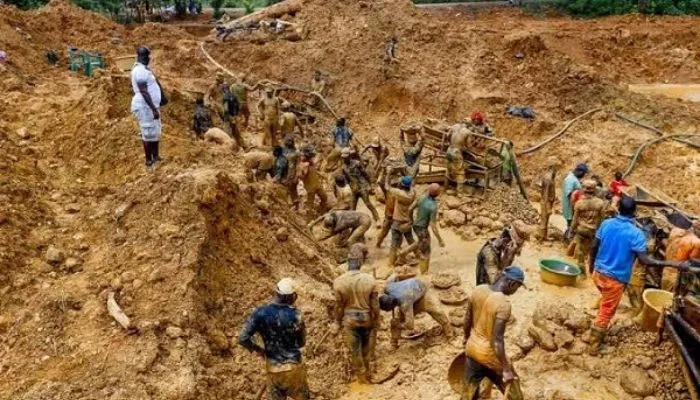
The Democratic Republic of Congo has suspended mining activities for three months in parts of South Kivu province, in a major intervention targeting gold and coltan-rich zones long associated with illicit mineral flows, weak oversight and insecurity. The directive, issued by the Ministry of Mines and signed by Mines Minister Louis Kabamba Watum, applies to industrial, semi-industrial and artisanal mining operations in Mwenga and Shabunda territories.
These two territories sit within eastern Congo’s wider gold and coltan belt and are known for dense networks of formal operators, cooperatives and informal miners feeding into regional mineral trading chains.
Authorities said the suspension was necessary to address security risks, illegal mining, fraud and uncontrolled mineral flows that may be fuelling instability in eastern Congo. The government also cited the need to strengthen transparency and traceability systems across the mineral supply chain.
Although the decree did not name specific companies, the suspension is expected to disrupt a wide range of operators, particularly semi-industrial gold producers and artisanal mining networks active in the affected territories.
During the suspension period, a special control mission led by the General Inspectorate of Mines and other state agencies will be deployed to the affected areas. The team is expected to verify the legality of mining operations, document violations and identify individuals or entities involved in illegal extraction networks.
The inspection mission is also expected to recommend corrective or coercive measures under Congolese law, suggesting that the moratorium could be followed by a tougher enforcement phase once investigations are completed.
The move marks another attempt by Kinshasa to assert stronger state control over strategic mineral production at a time when Congo’s vast reserves of gold, coltan, cobalt, copper and other critical minerals have become central to global supply chains.
Eastern Congo’s mineral economy has long been shaped by a difficult mix of formal mining, artisanal production, smuggling, armed group financing, weak enforcement and cross-border trade networks. For the government, improving traceability is not only a revenue issue, but also a security and governance priority.
The latest suspension comes amid growing scrutiny of foreign-backed operators and informal supply chains in Africa’s mineral-rich economies, as governments seek to retain more value, reduce illicit flows and tighten oversight over strategic resources.
For investors, the decision highlights both the opportunity and risk in Congo’s mining sector. The country remains one of the world’s most resource-endowed economies, but regulatory uncertainty, security challenges and governance concerns continue to shape operating conditions, particularly in the east.
For local miners and communities, the immediate effect could be disruptive. A three-month halt in mining activity may affect incomes in territories where artisanal and semi-industrial mining support thousands of households. But authorities appear to be betting that stronger enforcement will help formalise production, reduce leakage and improve state control over mineral revenues.
The broader policy question is whether the suspension will deliver lasting reform or become another temporary enforcement sweep in a sector where illegal extraction networks have historically adapted quickly to state interventions.

