

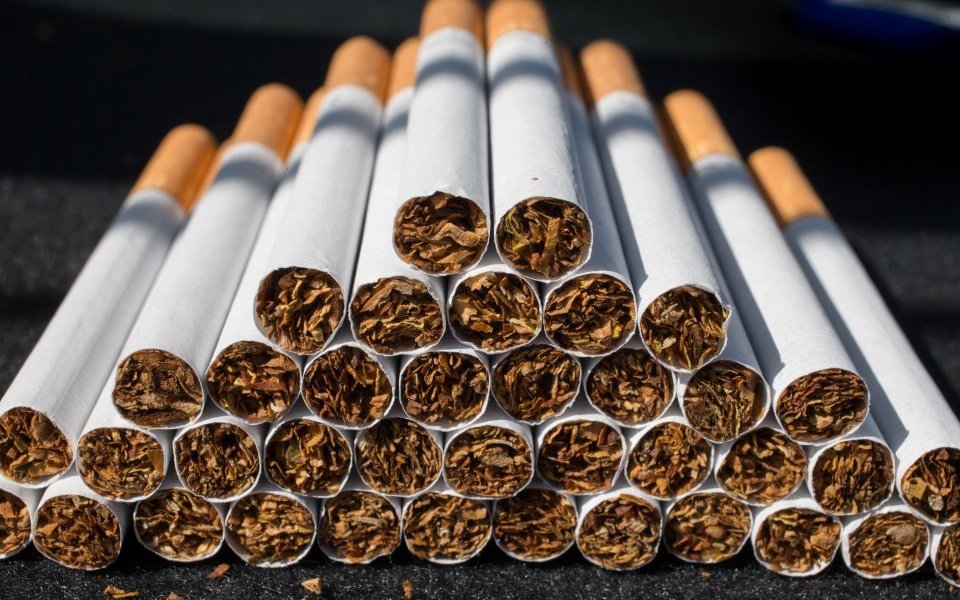

COP11: Ghana Cites GHS 668 Million Annual Loss; 6,700 Annual Deaths to Tobacco-Related Diseases
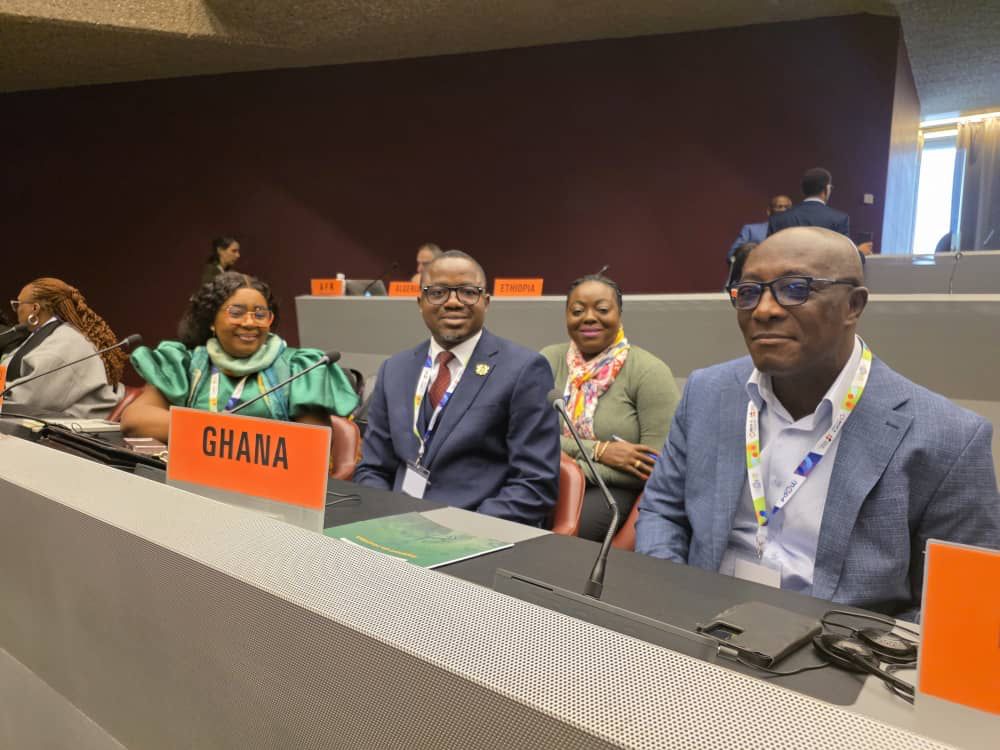
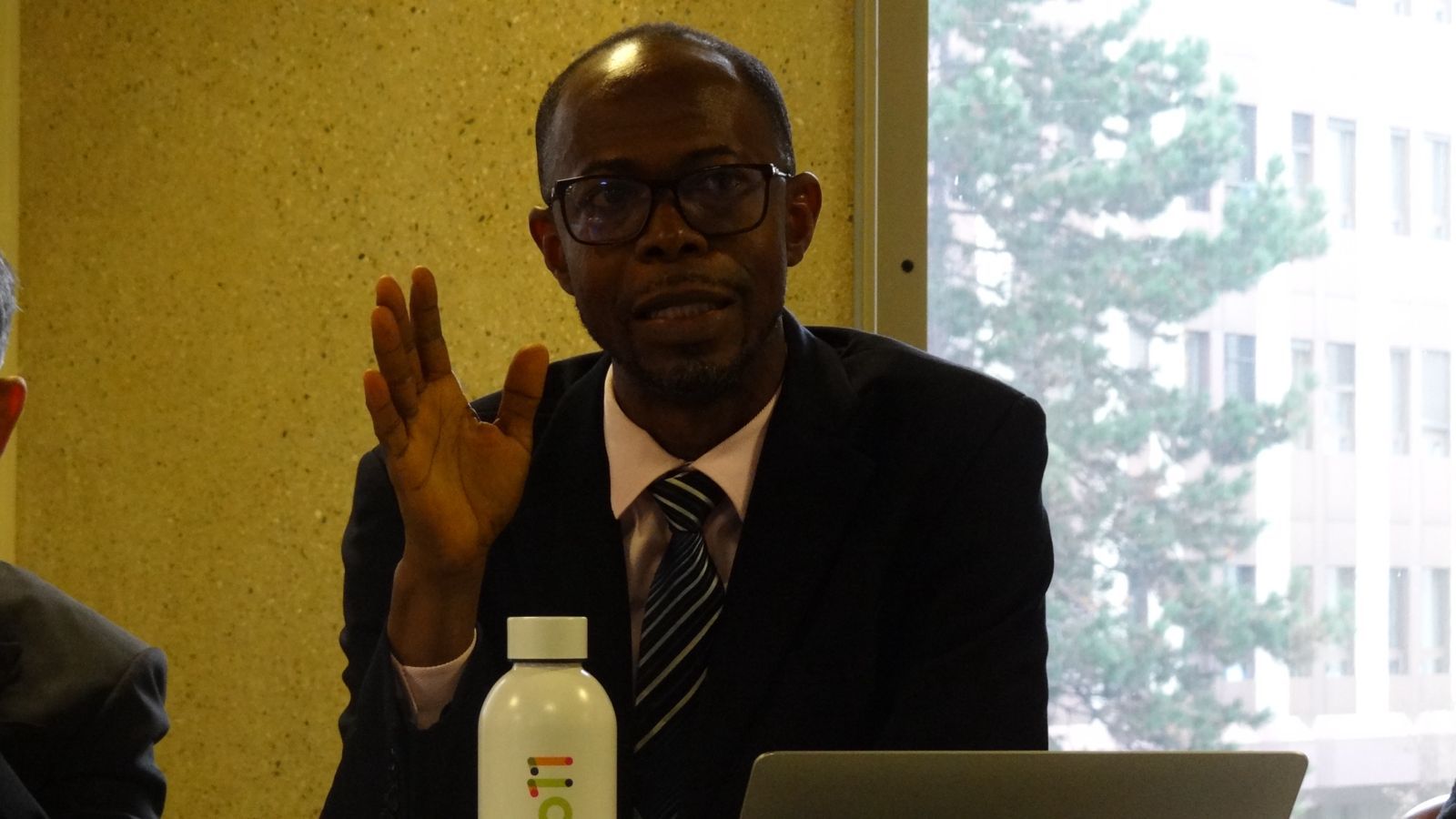
Ghana has renewed its call for tougher global and domestic action on tobacco control, framing the issue as both a public health and economic imperative. Addressing delegates at the 11th Session of the Conference of Parties (COP11) to the WHO Framework Convention on Tobacco Control (FCTC) in Geneva, Hon. Prof. Titu Beyuo, MP for Lambussie, speaking on behalf of Health Minister Hon. Mintah Akandoh, underscored the heavy toll tobacco continues to impose on the country.
According to Prof. Beyuo, tobacco-related diseases claim over 6,700 lives annually in Ghana, representing about 3 percent of national deaths, while draining more than GH¢668 million each year through healthcare costs and productivity losses. “These costs push many households into poverty,” he noted, stressing that tobacco control must be seen as a developmental and equity issue rather than a narrow health concern.
Ghana’s participation in COP11, he added, aligns with national efforts to contribute to the global target of reducing premature mortality from non-communicable diseases (NCDs) by one-third by 2030, as outlined under SDG 3.4.
Youth Uptake Raises Alarm
Despite gains in policy, taxation and governance, officials warn of emerging threats, particularly among young people. National data show shisha use among youth at 7.8 percent, while 8.8 percent of children aged 13 to 15 consume tobacco or nicotine products. Government officials describe this trend as a “public health emergency” requiring stronger regulatory and enforcement mechanisms.
The National Tobacco Control Strategy (2023–2028) has been adopted as the primary framework to guide interventions across multiple sectors. Ghana also ratified the Protocol to Eliminate Illicit Trade in Tobacco Products in 2021, which came into force in 2022.
Fiscal Measures Strengthened
At the fiscal front, Ghana introduced a specific excise tax system in 2023 under the Excise Duty Amendment Act, applying 28 pesewas per cigarette stick, equivalent to GH¢5.60 per pack, as part of efforts to reduce affordability and meet ECOWAS standards. Authorities say this shift from an ad valorem system enhances predictability and protects public health gains from inflation and currency pressures.
Policy Enforcement and Governance
Government maintains bans on tobacco advertising, promotion and sponsorship, and mandates graphic health warnings on all tobacco products. Smoke-free policies are partially enforced countrywide, while national awareness campaigns continue to highlight the health risks associated with tobacco.
To enhance governance, the National Tobacco Control Inter-Agency Coordinating Committee chaired by the Ministry of Health, is coordinating cross-sectoral reforms. Work is ongoing to develop a Code of Conduct for Public Officials to operationalize FCTC Article 5.3, aimed at shielding tobacco control policies from industry interference.
Traditional authorities in Northern Ghana have also partnered with the Ministry to eliminate the use of tobacco in dowry practices, promoting healthier cultural alternatives.
Tackling Illicit Trade and New Nicotine Products
Ghana has prioritised border controls, customs surveillance and improved track-and-trace systems to curb illicit trade. Legislation is also being expanded to cover shisha, chewing tobacco and electronic cigarettes, as authorities warn that youth-targeted marketing strategies by industry players continue to widen the market base for nicotine products.
Cessation and NCD Reduction Efforts
Cessation guidelines have been rolled out, with more facilities integrating cessation services within primary healthcare and UHC frameworks. Studies on plain packaging have been completed to assess potential adoption as part of future reforms.
Positioning Ghana as a Regional Leader
Prof. Beyuo said Ghana views tobacco control as a matter of “health sovereignty, economic resilience, and social justice,” highlighting the country’s leadership in developing a five-year national strategy, advancing excise taxation, and strengthening governance systems under the FCTC.
He emphasised that tobacco-related diseases are entirely preventable and warned of the economic and social costs of inaction. “Ghana remains committed to advancing stronger economies, healthier populations, and a more resilient future,” he said, adding that ongoing engagement at COP11 will help reinforce accountability for global commitments under the FCTC and the UN Political Declaration on NCDs.

