

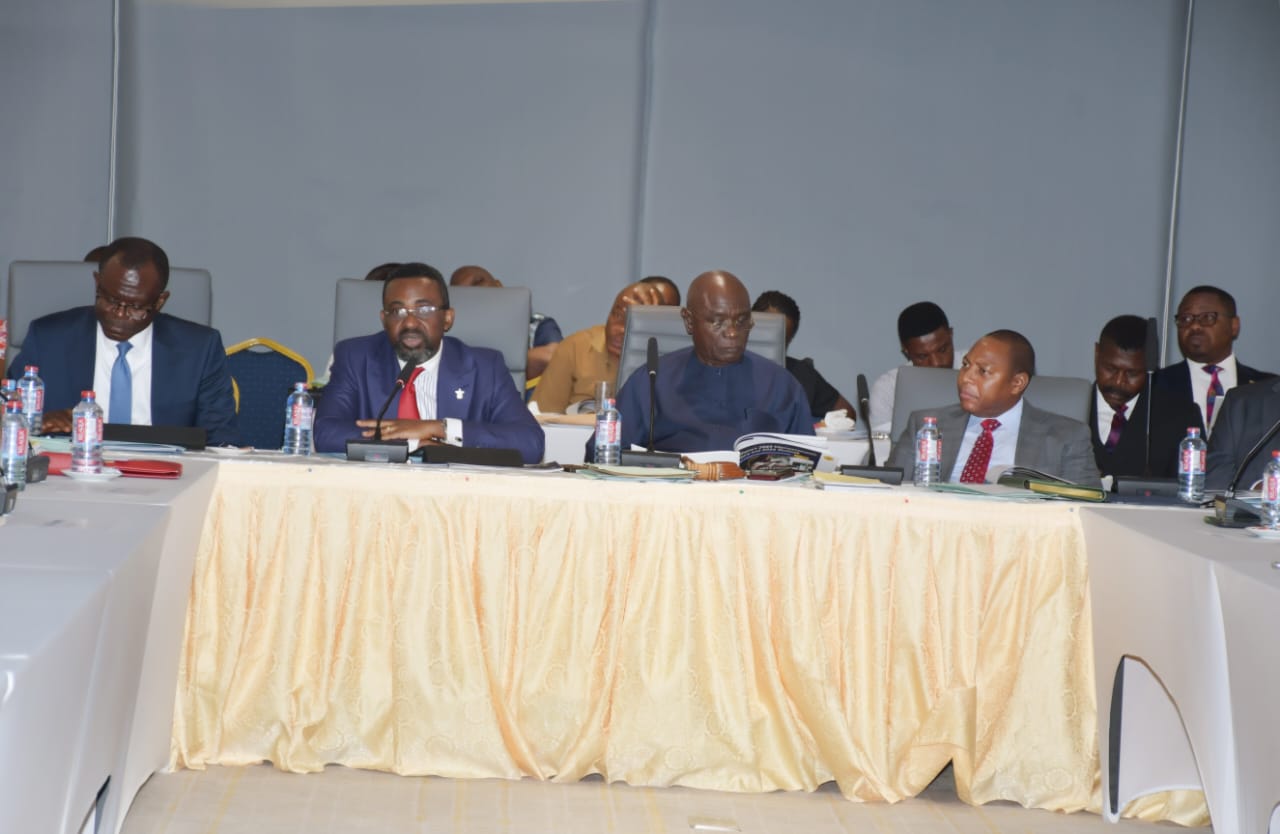

- Council of State backs BoG recovery narrative, urges wider public engagement
The Bank of Ghana appears to have won important institutional backing for its economic stabilisation narrative after members of the Council of State responded positively to a briefing by Governor Dr Johnson Pandit Asiama and urged the central bank to take the story of Ghana’s recovery more directly to the public.
At the centre of the engagement was a presentation on the Bank’s operations in 2025, the policy decisions it made, and the financial outcomes those decisions produced. According to the media brief, the session was “received positively”, with Council members commending the Governor for the “depth and clarity” of the presentation and encouraging wider public engagement on the issues discussed.
In a period when central bank actions are often judged through the narrow lens of inflation, exchange rates, or headline financial results, the Council’s reaction suggests a broader endorsement of the argument the Bank is trying to make: that the cost of stabilisation must be understood alongside the gains it has delivered.
The Governor’s presentation was built around five broad themes. He began by outlining the difficult conditions with which Ghana entered 2025: inflation above 23 per cent, a weakened cedi, and reserves covering about four months of imports. He then set out the policy response: aggressive monetary tightening, open market operations to absorb excess liquidity, rebuilding reserves through the gold programme and foreign exchange reforms, and further strengthening of the banking sector.
From there, the Governor pointed to the results. Inflation, he said, had fallen to 3.2 per cent as of March 2026, marking the fifteenth consecutive monthly decline. Reserves had climbed to a historic high of US$14.5bn, the cedi had appreciated by about 41 per cent in 2025, GDP had grown by 6.0 per cent, and the banking sector had become stronger, better capitalised, and more active in credit extension.
Those are striking numbers. But the presentation did not avoid the more difficult side of the story. The Governor also explained that the Bank’s 2025 financial results would reflect accounting costs that were, in effect, the counterpart of the stabilisation effort itself. He cited the income effect of the domestic debt exchange, the interest cost of open market operations, the structural cost of the gold programme, exchange-rate-related accounting treatment, and the valuation impact of cedi appreciation on foreign-currency assets. None of these, he stressed, affected the bank’s ability to fulfil its mandate.
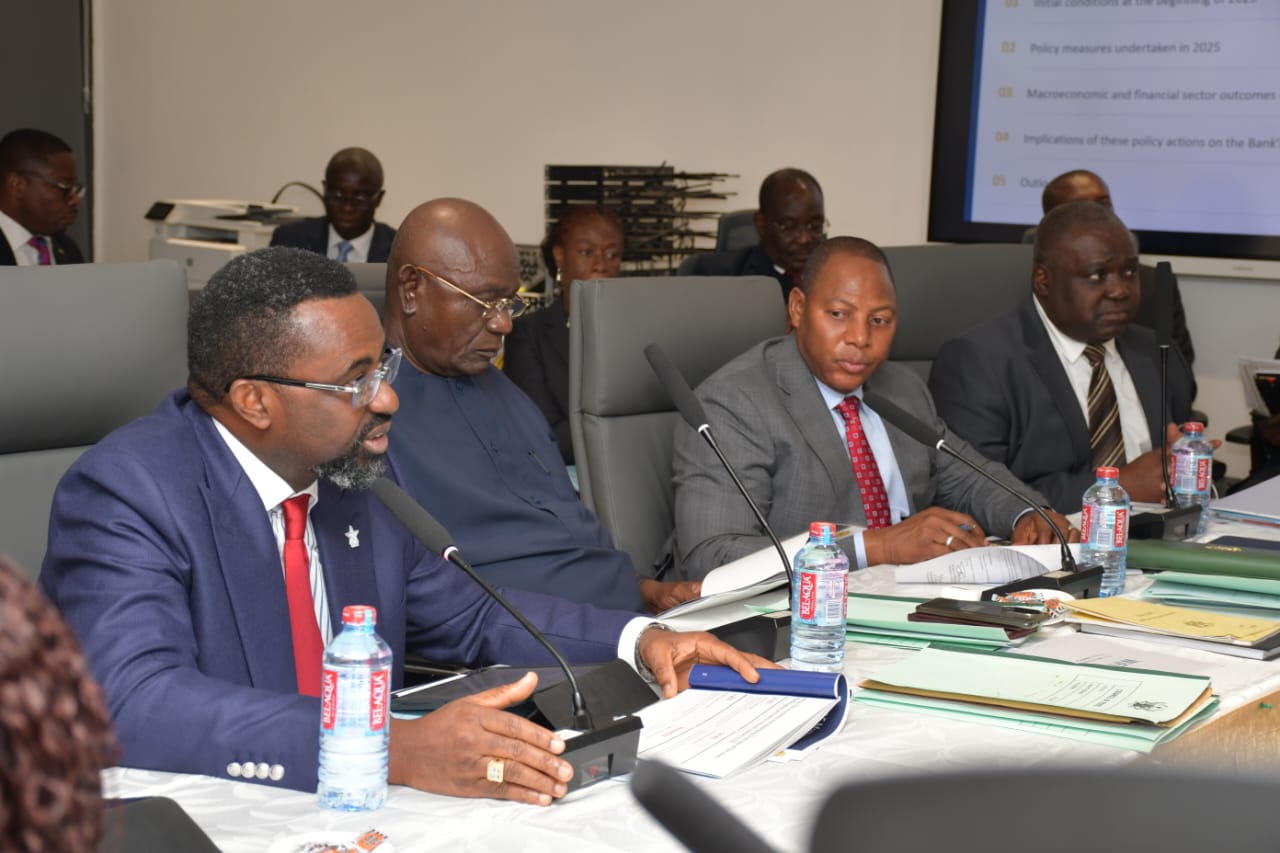
That appears to have resonated with the Council of State, which did not treat the briefing as a narrow defence of financial statements but as a wider explanation of the trade-offs involved in restoring macroeconomic order.
More revealing still was what members wanted next. The Council members strongly encouraged the Bank to engage directly with young Ghanaians, to explain the economy in plain terms, and to hear their concerns. The shared view was that “the data is positive and the public deserves to hear it clearly.”
Meanwhile, the Council was not merely backing the Bank’s recovery argument; it was also urging the central bank to communicate it more openly and more accessibly. In other words, the issue is no longer only whether the economy is improving, but whether the public is hearing that case in a way that feels credible, understandable, and connected to lived experience.

The discussion reportedly ranged beyond the headline recovery numbers. Council members also raised questions about exchange-rate policy, the growth of virtual assets and digital finance, and the continued high cost of imported goods, which they recognised as a key area where macroeconomic stability and household experience still clash.
That mix of support and scrutiny is significant. It suggests the Council’s endorsement was not blind optimism but a recognition that stabilisation has created stronger foundations, even if transmission into everyday prices and household relief remains uneven.
The Council ultimately encouraged the Bank of Ghana to “take the story of Ghana’s economic recovery directly to the public”, explain the financials in accessible language, and create room for the youth to ask questions and be heard.

