
• Login
NORVANREPORTS.COM |  Business News, Insurance, Taxation, Oil & Gas, Maritime News, Ghana, Africa, World
  • Home
  • News
    • General
    • Political
  • Economy
  • Business
    • Agribusiness
    • Aviation
    • Banking & Finance
    • Energy
    • Insurance
    • Manufacturing
    • Markets
    • Maritime
    • Real Estate
    • Tourism
    • Transport
  • Technology
    • Telecom
    • Cyber-security
    • Cryptocurrency
    • Tech-guide
    • Social Media
  • Features
    • Interviews
    • Opinions
  • Reports
    • Banking/Finance
    • Insurance
    • Budgets
    • GDP
    • Inflation
    • Central Bank
    • Sec/Gse
  • Lifestyle
    • Sports
    • Entertainment
    • Travel
    • Environment
    • Weather
  • NRTV
    • Audio
    • Video
No Result
View All Result
No Result
View All Result
NORVANREPORTS.COM |  Business News, Insurance, Taxation, Oil & Gas, Maritime News, Ghana, Africa, World
No Result
View All Result
Home Features

Culture, Corruption Fuel Ghana’s Galamsey Crisis— New Study Reveals

13 minutes ago
in Features, highlights, Home, home-news, latest News, Opinions
1 min read
0 0
0
2
VIEWS
Share on FacebookShare on TwitterShare on Linkedin

Culture, Corruption Fuel Ghana’s Galamsey Crisis— New Study Reveals

A new academic study has concluded that Ghana’s fight against illegal mining, known locally as galamsey, continues to falter due to a combination of corruption, cultural dynamics, and ineffective crisis communication.

The study found that while successive governments have introduced measures to curb illegal mining, these efforts have largely delivered short-term gains, with little sustained impact. Despite strong political rhetoric and interventions such as task forces and regulatory reforms, enforcement has been inconsistent, often weakened by allegations of official complicity and weak accountability systems.

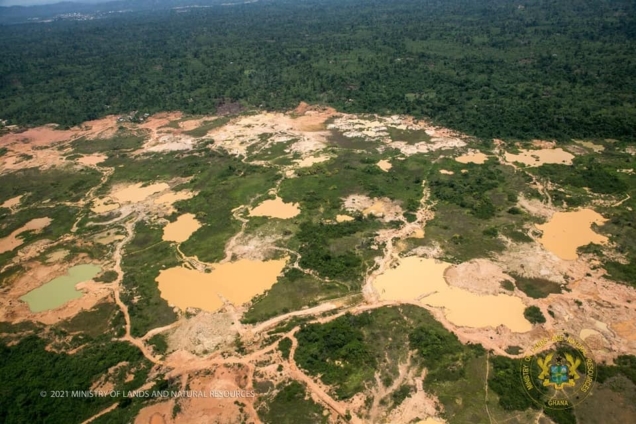
Illegal mining has, over the years, expanded from small-scale local activity into a widespread environmental crisis, severely affecting water bodies, agricultural land and rural livelihoods. The situation has been exacerbated by the involvement of foreign actors and the increasing use of mechanised mining techniques, which have intensified environmental damage.
According to the study, Ghana’s political landscape has further complicated the response. Deep partisan divisions have encouraged blame-shifting between major political parties rather than coordinated action, while official communication has often been perceived as defensive and lacking transparency. This, the study notes, has contributed to the decline in public trust in government efforts to address the crisis.

Economic realities also play a central role. In many affected communities, illegal mining provides a critical source of income, often far exceeding earnings from farming and other traditional livelihoods. This has made local resistance to anti-galamsey measures more pronounced, particularly in areas with high unemployment.

The study also points to cultural factors shaping public response. Respect for authority and a preference for social harmony can limit confrontation, while practices such as gift-giving and dwan¬tua—where influential figures intervene to seek pardon for offenders—have, in some cases, allowed illegal miners to escape punishment.

RelatedPosts

African Journalists Face Rising Pressure but Show Strong Commitment to Nation-building — Study Says 

Cocoa Farmers Warn Bumper Harvest Threatened by Payment Delays 

Finance Minister Dr Cassiel Ato Forson Emphasises Financial Health as Pillar of Ghana’s Economic Transformation

While Ghana’s media has played a significant watchdog role—through investigative reporting and campaigns that have drawn national attention to the crisis—the authors note that public pressure has often been difficult to sustain.

The researchers conclude that without stronger transparency, consistent enforcement and communication strategies that reflect Ghana’s socio-economic and cultural realities, efforts to end illegal mining are likely to remain ineffective.


The study was conducted by Dr Albert Anani-Bossman, a Senior Lecturer at the University of Media, Arts and Communication (UniMAC) and Director of DRID.

 

Source: Directorate of Research, Innovation and Development, UniMAC
Via: norvanreports
Tags: corruptionCorruption Fuel Ghana’s Galamsey Crisis— New Study RevealsCultureGalamsey Crisis
No Result
View All Result

Who we are?

NORVANREPORTS.COM |  Business News, Insurance, Taxation, Oil & Gas, Maritime News, Ghana, Africa, World

NorvanReports is a unique data, business, and financial portal aimed at providing accurate, impartial reporting of business news on Ghana, Africa, and around the world from a truly independent reporting and analysis point of view.

© 2020 Norvanreports – credible news platform.
L: Hse #4 3rd Okle Link, Baatsonaa – Accra-Ghana T:+233-(0)26 451 1013 E: news@norvanreports.com info@norvanreports.com
All rights reserved we display professionalism at all stages of publications

No Result
View All Result
  • Home
  • Business
    • Agribusiness
    • Aviation
    • Energy
    • Insurance
    • Manufacturing
    • Real Estate
    • Maritime
    • Tourism
    • Transport
    • Banking & Finance
    • Trade
    • Markets
  • Economy
  • Reports
  • Technology
    • Cryptocurrency
    • Cyber-security
    • Social Media
    • Tech-guide
    • Telecom
  • Features
    • Interviews
    • Opinions
  • Lifestyle
    • Entertainment
    • Sports
    • Travel
    • Environment
    • Weather
  • NRTV
    • Audio
    • Video

Welcome Back!

Login to your account below

Forgotten Password?

Create New Account!

Fill the forms bellow to register

All fields are required. Log In

Retrieve your password

Please enter your username or email address to reset your password.

Log In
NORVANREPORTS.COM | Business News, Insurance, Taxation, Oil & Gas, Maritime News, Ghana, Africa, World
This website uses cookies. By continuing to use this website you are giving consent to cookies being used. Visit our Privacy and Cookie Policy.