


- Dutch Workers Get Greatest Entertainment Value from an Hour’s Wage — Study
Workers in the Netherlands obtain the greatest purchasing power from an hour of labour when spending on everyday leisure, according to a study comparing wages and recreational costs across 30 countries.
The research, commissioned by digital entertainment company Casino.com, placed the Netherlands first with an Entertainment Affordability Score of 83.03, ahead of the United States, Australia, Spain and Poland.
Dutch workers were estimated to take home US$36.68 an hour after tax while working slightly more than 30 hours a week the shortest average workweek among the countries examined.
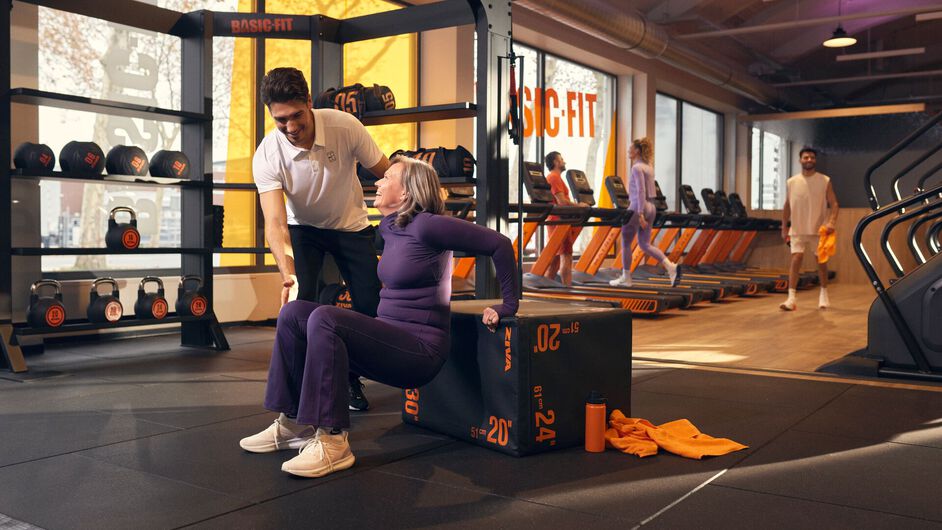
At prevailing prices, one hour’s disposable earnings could purchase more than two cinema tickets or eight cappuccinos and cover almost the entire cost of a monthly gym membership.
The findings suggest that leisure affordability is shaped not only by the size of a worker’s pay packet but by the interaction between wages, taxation, working time and local consumer prices.
Iceland, for example, recorded the highest hourly disposable income among the top 10 countries at US$38.28, but placed seventh overall because recreational goods and services were comparatively expensive.
Spain ranked fourth despite workers taking home a more modest US$23.27 an hour, demonstrating how lower local prices can partly compensate for smaller salaries.
The study examined average annual salaries, weekly working hours and effective tax burdens to estimate take-home earnings per hour.
It then compared those earnings with the cost of four common recreational purchases: a cinema ticket, an inexpensive restaurant meal, a cappuccino and a monthly gym membership.
The resulting score attempts to answer a simple question: how much ordinary leisure can the typical worker buy with one hour of work?
The Netherlands’ combination of comparatively high disposable income, shorter working hours and moderate recreational prices produced the strongest result.
But the ranking should not be interpreted as a comprehensive measure of national living standards or work-life balance. It does not capture housing costs, commuting time, childcare expenses, household debt, job security or differences in public services.
National averages can also obscure substantial variations between occupations, regions and income groups. A restaurant meal or gym subscription may be affordable to the average earner while remaining out of reach for workers at the lower end of the pay distribution.
The research nevertheless offers a useful way to compare the opportunity cost of leisure—the amount of working time required to pay for recreational activity.
The United States placed second with an affordability score of 71.53 and estimated hourly disposable income of US$33.14.
One hour’s take-home pay was enough to cover an inexpensive restaurant meal while leaving about US$13 for a drink, coffee or gratuity.
An hour of work could also finance about three-quarters of the average monthly gym membership, the second-strongest result after the Netherlands.
The ranking indicates that relatively high US earnings continue to offset some of the pressure from rising consumer prices. But the experience will differ sharply across states and cities, where wages, restaurant prices and fitness costs vary considerably.
“Leisure keeps getting pricier,” a spokesperson for Casino.com said.
“In the US, restaurant prices are up 3.4 per cent over the past year, and movie, theatre and concert tickets cost 2.6 per cent more. Those numbers sound small, but they add up over a year of dinners and weekend outings.”
The spokesperson added that entertainment providers were passing increases in rent, staffing and electricity costs to customers.
“Theatres, restaurants and gyms all pay for rent, electricity and staff, and electricity alone is up 3.8 per cent over the same stretch, so those bills end up in the price at the counter.”
The broader question is whether wage growth can continue to outpace the rising price of discretionary activities. Leisure is often among the first areas where households cut spending when real incomes come under pressure.
Australia ranked third with a score of 70.40.
Workers earned an average annual salary of approximately US$72,000 and retained about US$55,000 after tax, according to the study. This translated into disposable earnings of US$29.79 an hour based on an average workweek of about 35.5 hours.
One hour’s income could buy two cinema tickets costing approximately US$14.50 each or about eight cappuccinos priced at US$3.70.
An inexpensive restaurant meal cost an estimated US$16.50, meaning an hour’s earnings could purchase close to two such meals.
Australia’s performance reflects a favourable relationship between earnings and selected recreational costs. It does not, however, account for the country’s high housing expenses, which can substantially reduce the disposable income available for entertainment.
Spain placed fourth with an affordability score of 69.44 despite hourly disposable income being about US$13 lower than in the Netherlands.
Workers took home an estimated US$23.27 an hour, but the relatively low cost of coffee and cinema tickets allowed those earnings to stretch further.
With a cappuccino priced at about US$2.50, an hour of work could buy more than nine cups. Cinema tickets cost less than US$10, allowing one hour’s earnings to cover two tickets.
A cinema outing for two followed by coffee would therefore require only slightly more than one hour of work for the average earner.
Spain’s performance illustrates the difference between nominal wages and real purchasing power. Higher salaries do not automatically translate into greater affordability if the goods and services being purchased are also expensive.
Poland completed the top five with an affordability score of 65.11 and hourly disposable income of US$18.13.
The average annual salary was estimated at about US$49,000. Although hourly take-home earnings were substantially below those in the Netherlands, the US and Australia, recreational prices were also lower.
One hour’s work could pay for more than two cinema tickets at about US$7.50 each or close to two inexpensive restaurant meals costing roughly US$10 apiece.
A monthly gym membership cost approximately US$37, requiring slightly more than two hours of labour.
Austria ranked sixth with hourly disposable income of US$29.14, followed by Iceland, Sweden, Luxembourg and Germany.
Luxembourg posted the third-highest take-home pay among the leading countries at US$34.03 an hour but finished ninth once local entertainment prices were considered.
The ranking captures the price of leisure in units of labour, but affordability alone does not guarantee that workers enjoy the activities available to them.
Long commuting hours, unpredictable schedules, multiple jobs and unpaid caring responsibilities can leave people with little time for recreation even when cinema tickets or restaurant meals appear affordable.
The Netherlands’ leading position is consequently strengthened by its relatively short working week. Dutch workers not only earn enough per hour to purchase leisure but may also have more non-working time in which to enjoy it.
That interaction between time and money is the study’s most important insight.
A country can offer high wages but weak work-life balance if employees must work long hours to obtain them. Conversely, lower-cost countries can provide considerable recreational value despite more modest incomes.
The Netherlands leads this particular ranking because it combines both advantages: high hourly disposable earnings and comparatively limited working time.
The broader test of household welfare, however, remains whether workers can meet essential expenses first. Leisure becomes genuinely affordable only after housing, food, transport, healthcare and other unavoidable costs have been paid.
Data source: Casino.com.

