


- E&P Offers Blueprint for Building Ghanaian-Owned Mining Giants — GIPA
Ghana should use the growth of Engineers & Planners as a model for transforming experienced local mining contractors into mine owners capable of competing with multinational companies, according to the Ghana Investment Promotion Authority.
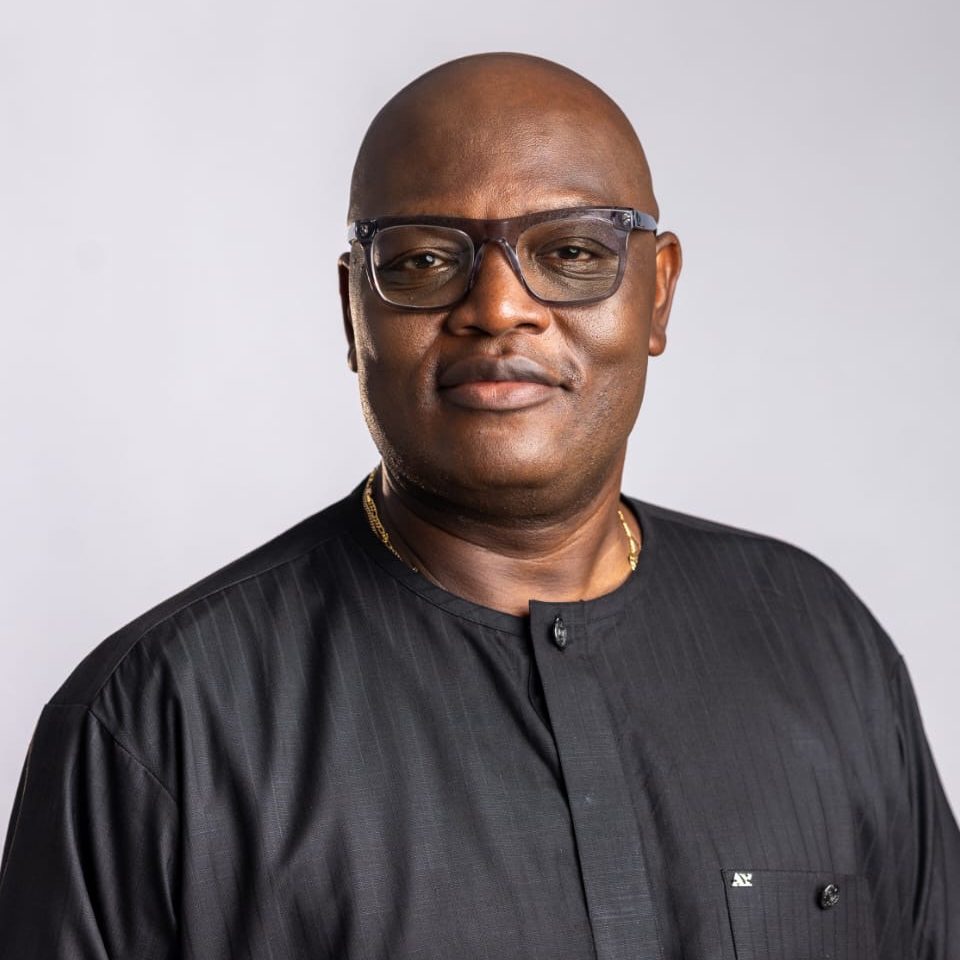
Simon Madjie, Chief Executive of GIPA, said years of local-content advocacy should now translate into meaningful Ghanaian ownership across the mining value chain.
“I believe that after several years of mining and pushing for the required reforms, especially when it comes to local content, the time is right to ensure indigenes own a stake in the mining sector,” he said during an appearance on PM Express Business Edition on October 8.
Mr Madjie identified Engineers & Planners as one of the Ghanaian companies that had progressed from providing contract-mining services to developing the technical and operational capacity required to own and manage mining assets.
“There are some local mining companies and contractors that have demonstrated that they have what it takes to equally compete with the multinationals operating in this space,” he said.
“The mining model of E&P should be seen as the model for building mining giants in Ghana.”
E&P’s progression reflects one possible route to increasing Ghanaian participation in a sector that has historically been dominated by foreign capital. Local contractors can accumulate technical expertise, equipment, operational records and knowledge of Ghana’s mining environment before moving into asset ownership.
“They were the contractors for most of the companies over the years and actually played in the value chain, and now they have the capacity to own and run these mines,” Mr Madjie said.
The model is significant because Ghana’s local-content debate has often concentrated on procurement ensuring that mining companies purchase goods and services from domestic suppliers. While that approach can retain more expenditure within the economy, it does not necessarily create Ghanaian companies that own mineral assets or control production.
Moving from contracting to ownership would allow local businesses to participate more directly in profits, investment decisions, technology development and long-term mineral planning.
But E&P’s experience may not be easily replicated without deliberate policy intervention.
Owning and operating a large-scale mine requires significant capital, specialised expertise and the capacity to manage geological, environmental, commodity-price and regulatory risks. Ghanaian companies frequently face higher borrowing costs and shorter loan tenors than their international competitors.
A credible strategy for building local mining champions must therefore go beyond political support. It would require access to long-term financing, transparent mineral-right allocations, strong corporate governance and partnerships that transfer technology without leaving Ghanaian firms as permanent junior participants.
Government must also avoid turning local ownership into protection from competition or regulatory scrutiny. Ghanaian-controlled mining companies should be held to the same environmental, fiscal, labour and community-relations standards as foreign operators.
Mr Madjie said the government remained committed to helping Ghanaian businesses expand and compete internationally.
“Ghanaians should be rest assured that the government is interested in the business of every Ghanaian; our objective is to help them to grow and compete on the international stage,” he said.
He added that the policy direction should not be interpreted as hostility towards foreign investors. Ghana would continue to welcome international capital while developing domestic capabilities in strategic sectors.
That balance will be critical. Foreign mining companies remain important sources of capital, technology, export earnings and employment. However, after decades of commercial mining, the country’s success should also be judged by whether local companies are graduating from supplying mines to owning competitive operations.
The E&P model demonstrates that such a transition is possible. Turning it into a national blueprint will depend on whether Ghana can create institutions and financing structures that reward competence, preserve transparency and allow more domestic companies to grow without sacrificing regulatory standards.

