


- English Football to Trial New Goalkeeper Injury Rule to Combat Time-Wasting
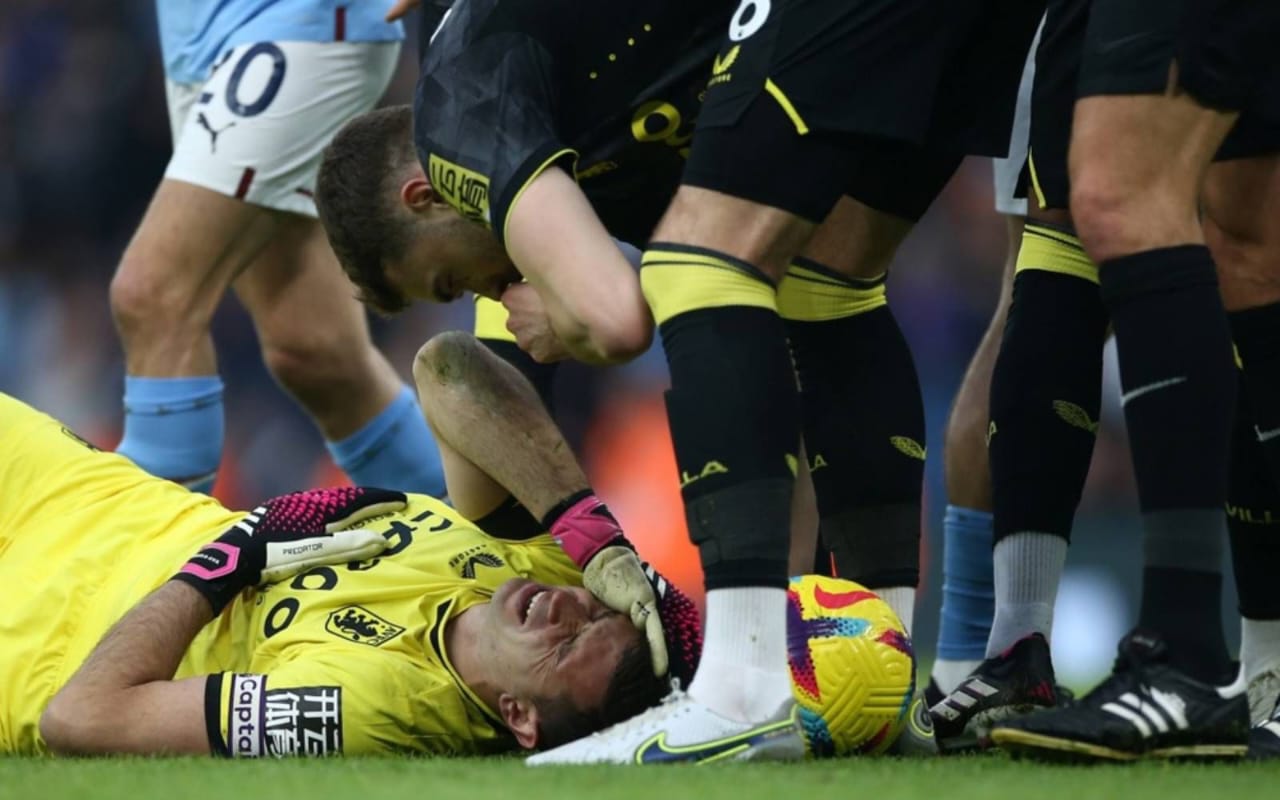
English football will introduce a new rule during the 2026/27 season aimed at discouraging teams from using goalkeeper injury stoppages as a tactical weapon to slow matches and disrupt opponents’ momentum.
The trial has been approved by the International Football Association Board (IFAB) and will be implemented across the men’s and women’s professional game in England with the backing of the Football Association, Premier League, English Football League (EFL), National League, Women’s Super League and Professional Game Match Officials Limited (PGMOL).
Under the new regulation, whenever play is stopped for a goalkeeper injury, the manager or head coach must immediately nominate one outfield player to leave the field. That player will be required to remain off the pitch for at least one minute after play resumes.
Football’s lawmakers believe the measure will remove any incentive for clubs to use goalkeeper injury stoppages as an opportunity to regroup tactically, waste time or halt the opposition’s rhythm.
The trial builds on an existing law that already requires an outfield player who receives treatment on the field after causing play to stop to leave the pitch temporarily before returning.
In recent seasons, goalkeepers requesting medical attention without significant contact have become an increasingly common sight in professional football. Such stoppages have often allowed coaches to gather players near the technical area for tactical instructions while also breaking the momentum of attacking teams.
Football authorities say the new rule is designed to preserve the flow of matches while ensuring genuine injuries continue to receive proper medical attention.
The Football Association explained that the initiative specifically targets situations where goalkeeper injuries are used to disrupt the pace of a game or provide an unfair tactical advantage.
Officials stressed that player welfare remains the top priority, adding that the trial will be closely monitored throughout the season alongside IFAB and other stakeholders to assess its effectiveness before any decision is made on its long-term future.
The rule will not apply in several circumstances where a goalkeeper genuinely requires immediate treatment. These include injuries resulting from a foul, collisions with another player who also needs medical attention, bleeding injuries, or incidents involving physical offences that lead to a free kick and require urgent medical assistance.
The move follows growing criticism from managers over the increasing use of goalkeeper injury breaks in recent campaigns.
Last season, Brighton & Hove Albion manager Fabian Hurzeler questioned Arsenal goalkeeper David Raya after the Spaniard received treatment on three occasions during Arsenal’s narrow 1-0 Premier League victory, arguing that such stoppages undermined the spirit of the game.
Leeds United boss Daniel Farke also accused Manchester City goalkeeper Gianluigi Donnarumma of exaggerating an injury to interrupt play during a crucial league encounter.
The goalkeeper injury trial is part of a wider package of law changes being introduced for the new campaign to speed up the game and reduce time-wasting.
Other measures include a five-second countdown for delayed throw-ins and goal kicks, as well as a new requirement for substituted players to leave the pitch within 10 seconds.
The new regulations will come into effect from the opening round of the League Cup on August 1, marking another step in football’s ongoing effort to improve match flow and reduce unnecessary interruptions.

