


- FIFA Set to Crack Down on Referee Abuse After World Cup as Coaches and Players Face Possible Sanctions
FIFA is preparing to take disciplinary action against players and coaches who publicly criticised match officials during the 2026 FIFA World Cup, with sanctions expected to be announced after the tournament concludes.
The decision follows a series of high-profile complaints about refereeing performances throughout the competition, with several managers and players questioning key decisions in crucial knockout matches.
According to reports, world football’s governing body has deliberately postponed disciplinary proceedings until after Sunday’s World Cup final between Argentina and Spain. Any sanctions will be based on official referees’ reports and other evidence gathered during the tournament.
The move mirrors FIFA’s approach after the 2022 World Cup in Qatar, when disciplinary measures against several national associations were only announced once the competition had ended.
Egypt’s complaints spark major controversy
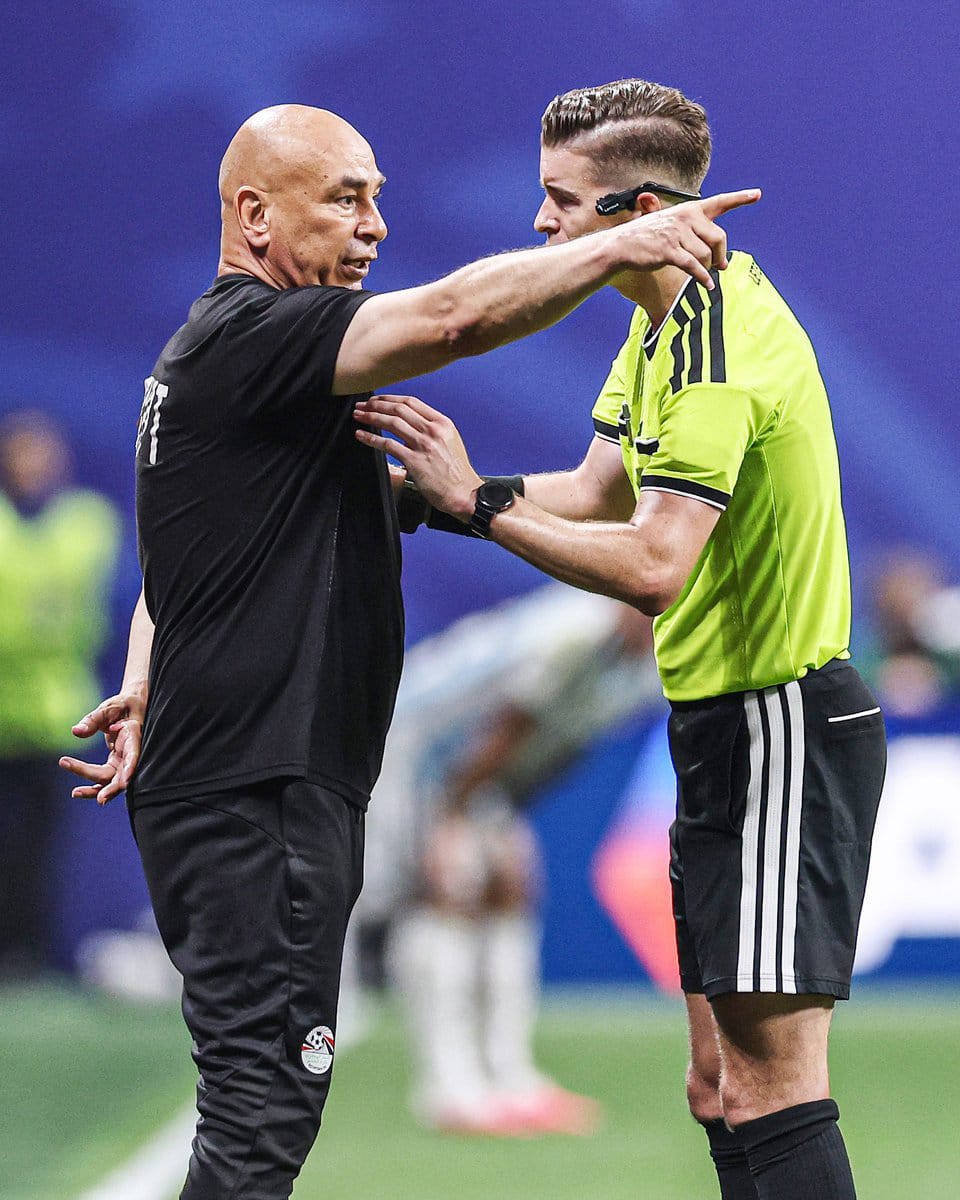
The strongest criticism came from Egypt following their dramatic 3-2 defeat to defending champions Argentina in the Round of 16.
Head coach Hossam Hassan launched a scathing attack on French referee Francois Letexier, claiming several crucial decisions went against his side, including penalty appeals and a disallowed goal.
Hassan alleged that pressure from the Argentine camp had influenced the referee and went as far as suggesting the tournament was being tilted in favour of the reigning world champions.
Egypt’s Football Association later lodged an official complaint with FIFA, requesting a review of the officiating and calling for Letexier to be removed from the remainder of the tournament.
Forward Mostafa Ziko also criticised the officiating, insisting Egypt had been denied a fair opportunity to reach the quarter-finals after surrendering a two-goal advantage.
Tuchel, Deschamps and Akanji also question officiating
England manager Thomas Tuchel was another prominent figure to express frustration with refereeing standards after his side’s Round of 16 victory over Mexico.
The German coach described the officiating as inconsistent following the dismissal of defender Jarell Quansah, arguing that decisions had become unpredictable and could unfairly alter the outcome of matches.
France coach Didier Deschamps also raised questions after his team’s 2-0 semifinal defeat to Spain. Although he stopped short of directly criticising the referee, he publicly questioned whether the officials had been at the required level to handle a World Cup semifinal.
Switzerland defender Manuel Akanji joined the growing list of critics after his country’s quarterfinal defeat to Argentina. The experienced centre-back claimed his side had suffered from one-sided officiating, saying every marginal decision appeared to favour the South American giants.
FIFA defends referees
FIFA has firmly rejected suggestions that its match officials have shown bias during the tournament.
Chief Refereeing Officer Pierluigi Collina defended the performances of the officials and stressed that the integrity of referees should never be questioned without evidence.
Responding to Deschamps’ comments, Collina stated that FIFA had complete confidence in the referee appointed for the France-Spain semifinal.
He also condemned accusations that officials had been influenced in favour of Argentina, warning that such allegations could expose referees and their families to abuse and threats.
“No one should question the integrity of FIFA World Cup referees,” Collina said, insisting that the tournament’s officials remain among the best in world football.
Post-tournament disciplinary action expected
Unlike many domestic leagues, where criticism of referees often attracts immediate fines or touchline bans, FIFA has chosen to delay any disciplinary process until after the World Cup.
Once the tournament concludes, the governing body is expected to examine all incidents involving public criticism of match officials before determining whether disciplinary action is warranted.
With emotions running high during the biggest World Cup in history, FIFA now faces the challenge of balancing freedom of expression with the need to protect match officials and uphold respect for the game as the tournament draws to a close.

