

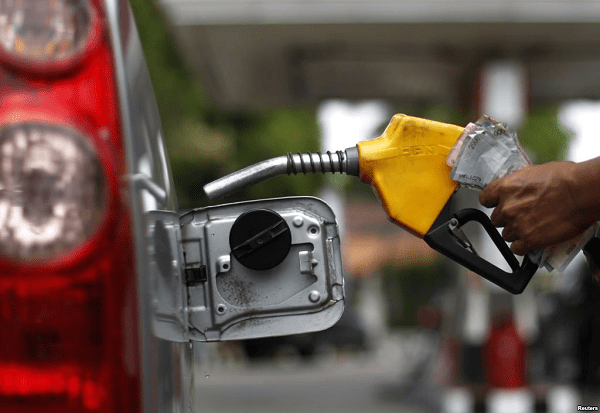

- Fuel prices set for sharp July 1 drop as oil falls and cedi strengthens
Ghanaian consumers are expected to see one of the sharpest fuel price reductions in recent months from July 1, as falling global crude oil prices and a stronger cedi combine to ease the cost of imported petroleum products.
The Chamber of Petroleum Consumers says petrol, diesel and liquefied petroleum gas are all expected to record significant price declines during the first pricing window of July, offering relief to households, transport operators and businesses after months of pressure from high operating costs.
COPEC’s latest projections show that global crude oil prices fell by nearly 20.00% during the pricing period, declining from US$97.32 per barrel to US$78.16 per barrel.
The local currency also strengthened by about 3.14% against the US dollar, further reducing the landed cost of refined petroleum products in a market where fuel pricing is heavily influenced by international oil prices and the exchange rate.
Petrol is projected to fall by 6.21%, with the average retail price expected to decline from GH¢14.24 per litre to about GH¢13.36 per litre.
Diesel is expected to record the largest reduction among the main petroleum products, falling by 13.28% from GH¢16.26 per litre to an estimated GH¢14.10 per litre.
LPG is also expected to ease, with prices projected around GH¢10.05 per kilogramme, reflecting an almost 16.00% decline in international benchmark prices.
The expected reductions could provide meaningful relief across the economy if the lower prices are fully passed on at the pumps and through supply chains.
Transport operators, logistics firms, manufacturers, farmers, food distributors and small businesses are likely to be among the main beneficiaries, particularly because diesel remains a critical input for commercial transport, haulage, farming equipment, generators and industrial operations.
Lower diesel prices could reduce operating costs for businesses that move goods across the country, including food traders and distributors who have faced rising transport costs in recent months.
For households, cheaper petrol and LPG could ease pressure on disposable incomes, especially for commuters, motorists and families that rely on LPG for cooking.
The anticipated decline also has implications for inflation. Fuel prices feed into transport fares, food distribution costs and business operating expenses. A sustained reduction could help moderate price pressures, although the extent of the impact will depend on whether transport operators and businesses pass on the savings to consumers.
The projected July 1 price cuts come at a time when Ghana is trying to sustain macroeconomic stability, keep inflation low and protect the recovery in household purchasing power.
COPEC has also welcomed the government’s decision to allocate part of Ghana’s crude oil entitlement from the Jubilee Field to local refineries, describing the move as important for long-term energy security.
The chamber argues that increased domestic refining could reduce Ghana’s dependence on imported finished petroleum products, support foreign exchange stability and retain more value within the domestic economy.
Ghana’s fuel market remains highly exposed to external shocks because the country imports a large share of refined petroleum products. This means international crude prices, refinery margins, freight costs, taxes, levies and exchange-rate movements all affect pump prices.
The latest projected reduction shows the benefit consumers can receive when both global prices and the exchange rate move in a favourable direction.
However, the price outlook remains vulnerable to renewed geopolitical tensions, particularly in the Middle East, where conflict risks can quickly push crude prices higher.
For now, attention will turn to oil marketing companies and whether the projected reductions will be reflected quickly and fully at the pumps when the new pricing window takes effect.
Consumers will also be watching transport operators, manufacturers and traders to see whether lower fuel costs translate into reduced fares, lower distribution costs and improved price stability.
If sustained, the July fuel price adjustment could provide one of the clearest signs yet that Ghana’s improving macroeconomic conditions are beginning to reach consumers directly through lower living and business costs.

