


- Gambia’s Adoption of Margins ID Technology Strengthens Ghana’s Digital Export Credentials
The Gambia’s adoption of digital identity technology developed by Ghana’s Margins ID Group represents more than an international contract. It offers evidence that African companies can design, finance and operate critical digital infrastructure for other African states rather than leaving the continent dependent on imported systems.
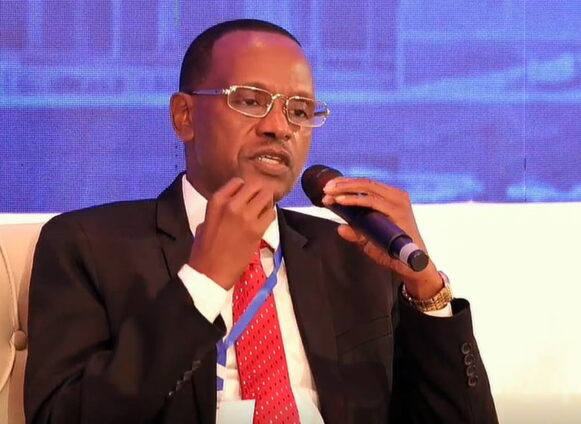
Ousman Bah, Special Adviser to the Gambian President on ICT and Digital Economy, says Ghana’s approach to identity interoperability persuaded his country to partner with Margins ID Group. Speaking at the 11th MOBEX Africa Conference in Accra, he said Ghana’s ability to consolidate information and connect identity systems distinguished it from models he had examined elsewhere.
“When I came to Ghana in December 2022, I met Margins and looked at what Margins was doing compared with what Western countries were doing in terms of digitalisation,” Mr Bah said. Visits to Rwanda and other markets reinforced his interest in Ghana’s integrated approach.
The Gambian National Identity Management System is being implemented through the government and IMS Gambia Limited, part of the Margins ID Group ecosystem. The agreement signed in January 2026 covers the design, financing, construction, co-operation and eventual transfer of a national identity and integrated digital identity system.
Margins reportedly emerged from a competitive process involving 11 international bidders. That detail matters because the project should not be framed merely as diplomatic solidarity or preference for an African supplier. Winning against global competitors suggests the Ghanaian company was able to meet commercial, technical and delivery requirements expected of sovereign identity infrastructure.
For Ghana, the contract broadens the meaning of technology exports. African export strategies frequently concentrate on commodities, processed goods and outsourced services. Digital public infrastructure offers another category: locally developed systems that governments can deploy to identify citizens, verify transactions and connect public services.
Identity has become foundational economic infrastructure. A trusted credential can support access to banking, social protection, healthcare, taxation, telecommunications, voting and business registration. When separate databases can verify information securely, citizens may spend less time reproducing documents, while governments can reduce duplication, impersonation and benefits leakage.
Mr Bah highlighted Ghana’s driver’s licence system, where historical records were scanned and consolidated into a database. “I see with my own eyes how they are scanning all these data and putting them in one single database,” he said. “This is what I want in Gambia.”
His endorsement points to interoperability as the project’s central promise. A digital card alone does not transform government. Value emerges when authorised institutions can reliably verify a person against a trusted source and deliver services without building incompatible identity registers.
Interoperability, however, also concentrates risk. Connecting identity, financial and administrative databases can make public services more efficient, but it can increase the consequences of cyber intrusion, insider abuse or inaccurate records. An error replicated across multiple systems may deny a citizen access to several essential services simultaneously.
The Gambian project therefore requires governance as strong as its technology. Authorities must define who may access personal information, for what purpose, under which legal authority and for how long. Citizens need clear procedures for correcting errors, challenging decisions and obtaining remedies when their information is misused.
Cybersecurity must be built into the architecture rather than added after deployment. Encryption, access controls, independent testing, incident reporting and regular security audits should accompany the system throughout its lifecycle. Local officials must also be trained to operate it safely after the transfer period ends.
The financing and co-operation structure deserves transparency. A design-build-finance-co-operate-transfer model can help a government obtain infrastructure without bearing the entire initial cost. Yet it creates long-term obligations involving fees, revenue sharing, performance standards, technology ownership and eventual transfer conditions.
The Gambian government should disclose enough of the commercial framework to demonstrate value for money while protecting legitimate security and proprietary information. Citizens should understand how the project is funded, how long the private operator will participate, which services attract fees and what happens if performance falls below agreed standards.
Margins must equally demonstrate that technology export does not mean permanent dependence on the vendor. A credible transfer model should develop Gambian engineers, administrators and cybersecurity professionals capable of managing the system. Local capacity is essential to technological sovereignty and operational continuity.
For Margins, successful implementation could open a wider West and Central African market. The company is already pursuing engagements concerning the Democratic Republic of the Congo. Many African countries are modernising civil registries and identification systems while seeking technology adapted to local conditions, limited connectivity and diverse populations.
Inclusion should consequently be treated as a core performance measure. Rural populations, persons with disabilities, older citizens and people without conventional supporting documents must be able to register. Offline capability, mobile enrolment and accessible grievance mechanisms may matter as much as biometric sophistication.
Margins founder and Chief Executive Moses Kwesi Baiden Jnr described digital identity as infrastructure for trust in finance, business and cross-border trade. That regional dimension could become increasingly important as the African Continental Free Trade Area expands movement of goods, services and people.
Interoperable national identity systems could support customer verification, professional credentials, customs transactions and portable services across borders. But regional interoperability must not become unrestricted data sharing. Common technical standards should operate alongside privacy protections, consent rules and clearly defined institutional responsibilities.
The project also carries a broader message for Ghana’s industrial policy. Domestic public procurement can create reference projects that enable local firms to compete abroad. When Ghanaian institutions deploy locally developed systems successfully and transparently, they give companies evidence of scale, resilience and practical performance.
Mr Bah’s declaration that The Gambia has adopted the same technology used in Ghana is a substantial vote of confidence. The deeper achievement will come if the system broadens access to services, protects citizens’ data and transfers lasting capability to Gambian institutions.
If those outcomes are delivered, Margins ID will have exported more than software and equipment. It will have demonstrated that African-built digital infrastructure can travel across borders, compete globally and help the continent exercise greater control over the systems through which its citizens are recognised.

