


- Ghana expands aviation partnerships with six new air services agreements
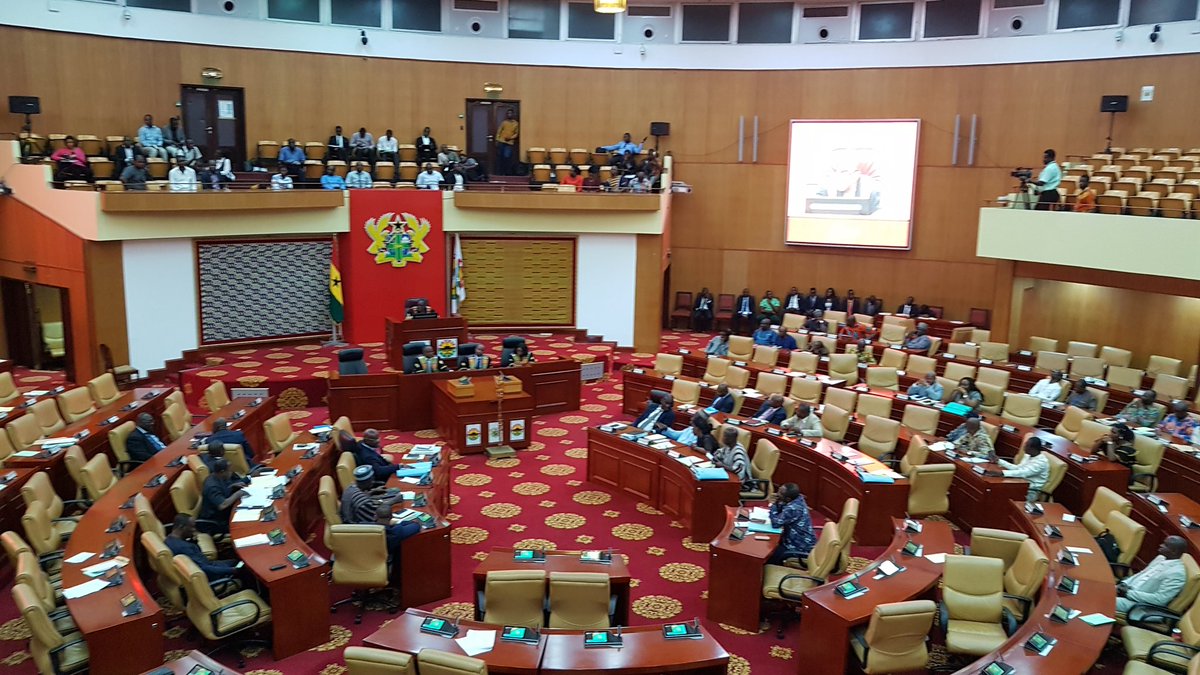
Parliament has ratified bilateral air services agreements between Ghana and six countries, in a move expected to strengthen international air connectivity, boost trade and support the movement of passengers and cargo.
The agreements cover Benin, Saudi Arabia, Mauritius, Guyana, Luxembourg and Qatar, and are intended to provide a clear framework for regulating and promoting air transport relations between Ghana and the respective partner countries.
The ratification gives designated airlines from Ghana and the six countries the opportunity to operate agreed air services under fair and transparent conditions, while safeguarding the sovereign rights of each state.
The agreements are also expected to improve the legal and operational basis for commercial air services, including route access, airline designation, operational approvals, safety compliance and dispute resolution.
For Ghana, the move forms part of broader efforts to strengthen the country’s position as an aviation hub in West Africa and deepen economic ties with strategic partners across Africa, the Middle East, Europe, South America and the Caribbean.
Improved air connectivity is expected to support tourism, business travel, trade facilitation and investment flows, particularly as Ghana seeks to expand its international partnerships and position Accra as a competitive gateway for regional and long-haul travel.
The agreements with Benin and Mauritius are expected to enhance intra-African aviation links and support the broader continental push for improved air transport integration.
Stronger air links with Saudi Arabia and Qatar could also support passenger movement between Ghana and the Gulf region, including business travel, religious travel, tourism and transit connections to Asia and other global destinations.
The agreement with Luxembourg offers potential for deeper aviation and logistics cooperation with one of Europe’s important financial and cargo hubs, while the agreement with Guyana could support growing diplomatic, trade and diaspora links between Ghana and the Caribbean.
The bilateral air services agreements also provide mechanisms for settling disputes, ensuring compliance with domestic laws and protecting the financial viability of international air operations.
Such agreements are important because international air transport is governed by negotiated rights between states, including where airlines may fly, how frequently they may operate and under what regulatory conditions services may be provided.
The ratification therefore gives Ghana and the partner countries a stronger legal basis to expand aviation cooperation and support future commercial decisions by airlines.
Although the agreements do not automatically guarantee immediate new routes, they create the regulatory foundation needed for airlines to assess market demand and launch services where commercially viable.
The approval comes at a time when African countries are seeking to increase connectivity under the Single African Air Transport Market and improve links that can support trade under the African Continental Free Trade Area.
For Ghana, expanding air services agreements could help reduce travel barriers, improve cargo movement and make Accra more attractive to airlines, tourists, investors and multinational businesses.
The aviation sector remains an important enabler of economic activity, supporting tourism, hospitality, logistics, conferences, exports and professional services.
With Parliament’s approval, attention will now turn to how the Ministry of Transport, the Ghana Civil Aviation Authority and aviation sector stakeholders translate the agreements into actual route development, airline partnerships and improved passenger and cargo services.
The long-term value of the agreements will depend on whether they lead to stronger connectivity, competitive fares, improved cargo options and deeper commercial links between Ghana and the six partner countries.
For now, the ratification signals Ghana’s continued effort to expand its aviation footprint and position the country more strongly within regional and global air transport networks.

