


Ghana Formalises Membership of Advisory Centre on WTO Law to Enhance Engagement with WTO System
Ghana has formally acceded to the Advisory Centre on WTO Law (ACWL), a move expected to significantly strengthen the country’s capacity to engage effectively with the multilateral trading system.
The Protocol of Accession was signed on Thursday, December 18, 2025, in Geneva by Ghana’s Ambassador and Permanent Representative to the United Nations Office, the World Trade Organisation (WTO), and other international organisations, Emmanuel Asiedu Antwi.
Ghana’s membership of the ACWL is expected to enhance access to specialised legal advice, technical training and expert support on WTO law, including assistance on trade remedies, dispute settlement and compliance matters. This is aimed at reinforcing the country’s ability to safeguard its trade and development interests within the global trading framework.
The accession underscores Ghana’s commitment to a rules-based, inclusive and development-oriented multilateral trading system, while aligning with ongoing government efforts to strengthen trade governance, promote export diversification and support industrialisation, particularly for micro, small and medium-sized enterprises (MSMEs).
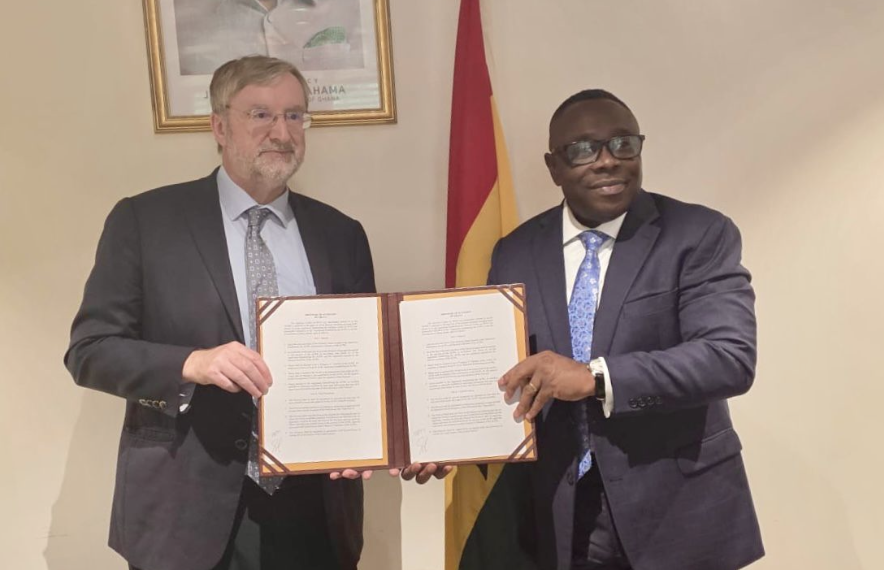
Speaking at the signing ceremony, Ambassador Antwi expressed Ghana’s appreciation to the Advisory Centre on WTO Law for its cooperation, as well as to the Government and people of Norway for the financial support that facilitated the country’s accession.
He also acknowledged the role of the Minister for Trade, Agribusiness and Industry, Elizabeth Ofosu-Adjare, noting that her leadership and determination were instrumental in ensuring the process was completed before the end of the year.
According to him, the timely completion of the accession process reflects strong political commitment and effective coordination within government to strengthen Ghana’s standing in global trade governance.
The Government of Ghana said it looks forward to a productive partnership with the ACWL, particularly in building local legal expertise, supporting engagement in WTO dispute settlement processes, and reinforcing confidence in a fair, predictable and transparent multilateral trading system.

