

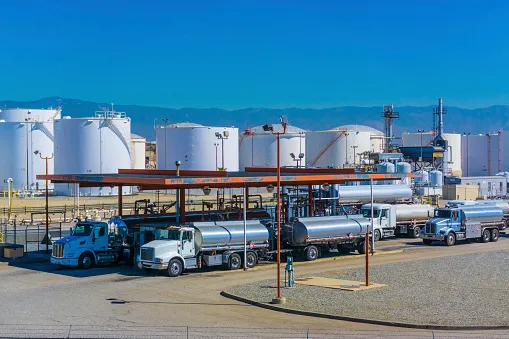

- Ghana Loses GHS 3m Monthly as Obsolete Fuel Tracking System Raises Alarm
Ghana’s downstream petroleum sector is losing an estimated GHS 3.00 million every month due to weaknesses in an outdated fuel tracking system, raising fresh concerns over revenue leakages, product shortages and possible fuel contamination within the national petroleum distribution chain.
The warning, issued by the Center for Environmental Management and Sustainable Energy, comes amid growing anxiety among industry players about the reliability of fuel monitoring systems used to track petroleum products from depots to distribution points.
According to SEMSE, recurring discrepancies in fuel volumes transported across the country suggest that Ghana’s current monitoring infrastructure is no longer fit for purpose and may be exposing the sector to avoidable financial and operational risks.
Executive Director of SEMSE, Benjamin Nsiah, said intelligence gathered by the organisation points to monthly shortages worth about GHS 3.00 million in petroleum products transported between key facilities, including supply routes from Accra to Kumasi.
He said the losses are affecting several actors across the petroleum value chain, including tanker owners, transport operators, fuel marketers and consumers who ultimately bear the cost of inefficiencies in the system.
The concerns are not limited to financial losses.
Industry stakeholders are also worried about alleged fuel contamination within parts of the distribution network, particularly along routes linked to the Bulk Energy Storage and Transportation Company.
The state-owned company plays a critical role in the storage and transportation of petroleum products across the country, making any weakness in monitoring and quality assurance a matter of national economic concern.
SEMSE argues that without a modern, automated system capable of tracking tanker movements and fuel compartments in real time, the risk of diversion, tampering and contamination will remain high.
The organisation is therefore calling on the National Petroleum Authority and BOST to accelerate the deployment of a technology-driven fuel tracking system that can provide live monitoring of product volumes from loading points to final destinations.
Under the proposed arrangement, fuel compartments would be electronically monitored, allowing operators in a central control room to detect unauthorised access, suspicious route deviations, delayed delivery, volume discrepancies or possible tampering.
Such a system, SEMSE believes, would improve accountability, reduce revenue leakages and make enforcement easier for regulators.
The call comes at a time when Ghana is seeking to strengthen efficiency across critical sectors of the economy, protect public revenue and reduce avoidable losses in state-linked operations.
With fiscal pressures still elevated, industry analysts say leakages in the petroleum supply chain cannot be treated as minor operational failures.
Fuel distribution is central to transport, manufacturing, mining, agriculture, power generation and household activity. Any disruption in supply or compromise in product quality can quickly affect prices, productivity and consumer confidence.
The alleged losses also raise important governance questions.
If Ghana is losing about GHS 3.00 million monthly through discrepancies in transported petroleum products, who is responsible for tracking the losses? Are the figures being reconciled by BOST, transporters, marketers and regulators? Are affected parties being compensated? And what sanctions exist for actors found to have tampered with fuel products or delivery systems?
These are questions the NPA and BOST may have to answer if industry pressure continues to mount.
Fuel contamination concerns are equally serious.
Contaminated fuel can damage vehicle engines, raise maintenance costs for businesses and consumers, undermine confidence in oil marketing companies and expose regulators to public criticism.
In extreme cases, product contamination can also create safety and environmental risks, especially where fuel is mixed, adulterated or mishandled during transportation.
For a country that depends heavily on petroleum products for transport and commerce, confidence in the integrity of the supply chain is essential.
SEMSE’s warning therefore points to a broader issue: Ghana’s downstream petroleum infrastructure must keep pace with the scale and complexity of the market.
Manual or outdated tracking systems may have served the industry in the past, but the current environment requires more sophisticated controls.
Modern fuel tracking systems can integrate GPS monitoring, electronic seals, real-time volume measurement, route alerts, automated reconciliation and digital reporting. These tools can reduce human discretion, improve transparency and give regulators stronger evidence when breaches occur.
For tanker owners and transporters, a credible system could also protect legitimate operators from false accusations when discrepancies occur.
For fuel marketers, it could strengthen supply reliability and reduce losses.
For consumers, it could improve confidence that fuel purchased at the pump meets required quality standards.
For government, it could protect revenue and reduce avoidable inefficiencies in a sector already exposed to pricing, subsidy, exchange rate and supply risks.
The downstream petroleum sector has undergone several reforms over the years, including deregulation, pricing adjustments, quality control interventions and tighter regulatory supervision. But the latest concerns suggest that fuel movement monitoring remains a weak link.
That weakness must be addressed urgently.
If the estimated GHS 3.00 million monthly loss persists, the annualised leakage could amount to about GHS 36.00 million. That is money that could otherwise support infrastructure, regulatory systems, business operations or consumer protection.
The case for automation is therefore not merely technical. It is economic.
Ghana cannot afford to run a critical fuel distribution chain on systems that allow recurring losses and raise questions about product integrity.
The NPA and BOST must now demonstrate that the country’s petroleum logistics network is being monitored with the seriousness it deserves.
That means investigating the alleged losses, publishing clear corrective measures, accelerating digital fuel tracking and enforcing sanctions where wrongdoing is established.
The petroleum sector operates on trust. Consumers trust that fuel sold at pumps is clean. Marketers trust that products delivered to them are not compromised. Transporters trust that they will not be blamed for failures outside their control. Regulators trust that reporting systems reflect reality.
Once that trust is weakened, the cost goes beyond GHS 3.00 million a month.
It affects confidence in the entire downstream petroleum market.
SEMSE’s warning should therefore be treated as an early signal for reform, not another industry complaint to be delayed.
Ghana’s fuel supply chain needs real-time visibility, stronger enforcement and modern accountability systems.
Anything less leaves the country exposed to losses, contamination risks and avoidable disruption in one of the economy’s most important sectors.

