


- Ghana Pushes NCD Financing Deeper into UHC Reforms as Regional Health Officials Meet in Accra
Ghana is moving to deepen the integration of non-communicable disease treatment into its universal health coverage architecture, as policymakers from across Africa gather in Accra to confront one of the continent’s increasingly costly health challenges: how to sustainably finance prevention, diagnosis and long-term treatment.
Dr Belinda Nimako, Director of Policy, Planning, Monitoring and Evaluation at the Ministry of Health, said the country is pursuing a two-pronged strategy built around Free Primary Health Care and the Ghana Medical Trust Fund, popularly known as MahamaCares. The objective, she said, is to reduce both the medical and financial burden associated with NCDs while closing gaps at the primary and specialist levels of care.
Speaking at the opening of the Sub-Saharan Africa Cross-Country Learning Workshop of the Financing Accelerator Network for NCDs in Accra on Wednesday, Dr Nimako said the scale of the problem meant NCD financing could no longer remain peripheral to Ghana’s health reform agenda.
“NCDs are today one of Ghana’s most pressing health challenges,” she said. “They account for roughly four in every ten deaths in our country, with hypertension and diabetes as the leading contributors, and they are placing growing demands on our facilities, our medicines supply chains and our National Health Insurance Scheme.”
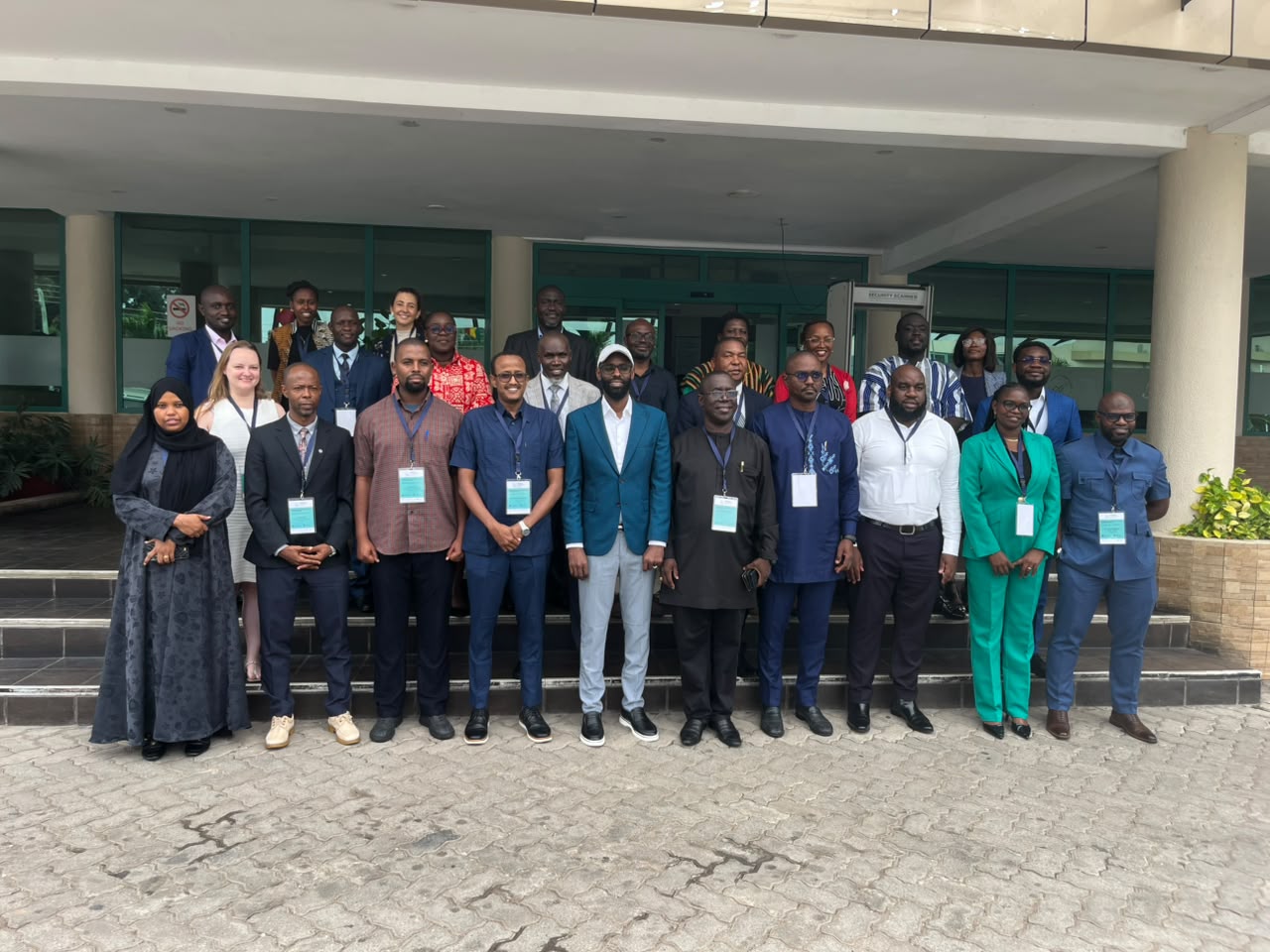
The two-day workshop, being held from August 19 to 20 at the Alisa Hotel, brings together policymakers, health-financing specialists and other stakeholders to examine how NCD services, essential medicines and diagnostics can be integrated more effectively into universal health coverage reforms.
The urgency reflects the growing cost profile of chronic disease. Conditions such as hypertension, diabetes, cancer, cardiovascular disease, stroke and kidney failure can require sustained treatment over many years, while severe cases often demand expensive diagnostics, medicines and specialist interventions.
For governments already operating under tight fiscal conditions, that creates a financing challenge extending beyond the health ministry. Chronic disease increasingly affects national health insurance expenditure, household incomes and wider public finances, particularly where patients are forced to pay significant costs directly.
Ghana is attempting to respond by strengthening both ends of the care pathway.
“Our Free Primary Health Care policy removes cost barriers at first contact, so screening, early diagnosis and routine management of hypertension and diabetes are accessible at the primary care level, regardless of ability to pay,” Dr Nimako said.
“And for the more advanced end of NCD care, we have established the Ghana Medical Trust Fund, popularly known as MahamaCares, to finance treatment for conditions such as cancers, chronic kidney failure, stroke and cardiovascular disease that fall outside our National Health Insurance Scheme.”
The emerging architecture is significant because it seeks to combine prevention and early management with protection against the potentially catastrophic costs of specialist treatment. Free Primary Health Care is intended to serve as the first line of defence, while the National Health Insurance Scheme provides broader coverage and MahamaCares fills gaps for expensive conditions that remain outside existing benefits.
“Together, Free PHC and MahamaCares close the coverage gap from both ends: catching NCDs early at the primary care level, and protecting families from catastrophic costs when specialist care is needed,” Dr Nimako said.
The economic case for that approach is compelling. Detecting hypertension or diabetes early can reduce the likelihood of patients progressing to more severe complications such as stroke, cardiovascular disease or kidney failure, potentially lowering the long-term cost burden on households and the health system.
But the effectiveness of the model will depend heavily on implementation. Free primary care will have limited impact if facilities lack medicines, diagnostics, trained personnel or efficient referral systems, while MahamaCares will only provide meaningful financial protection if eligible patients can access specialist treatment without lengthy delays or substantial residual costs.
Dr Nimako acknowledged that the reforms remain a work in progress.
“We are still learning and refining as we implement, but we are proud of the direction of travel and this is precisely why platforms like FAN matter to us, connecting our reform efforts to a wider community of shared challenges and shared solutions,” she said.
The Ghanaian reforms are unfolding against a wider global financing imbalance. NCDs account for a substantial proportion of deaths worldwide but continue to receive a comparatively small share of development financing for health, placing greater pressure on governments to develop domestic and innovative financing mechanisms.
“FAN exists because of a stubborn and troubling imbalance: non-communicable diseases account for the majority of deaths worldwide, yet they attract a strikingly small share of development financing for health,” Dr Nimako said.
She said the network combines regional technical expertise, cross-country learning and catalytic seed funding intended to help promising country initiatives move from policy design to implementation.
“In short, FAN exists so that no country has to solve the NCD financing puzzle alone,” she said.
Ghana is hosting the meeting as a member of the Financing Accelerator Network, with representatives attending from Uganda, Kenya, Somalia, Rwanda, Cameroon and Ethiopia, alongside regional colleagues from Argentina and the United States. Participants also include officials from the African Institute for Development Policy, Results for Development, Access Accelerated and the World Bank, as well as Ghana’s Ministry of Health, Ghana Health Service and National Health Insurance Authority.
The diversity of participation is important because countries across the region face similar structural challenges, including constrained fiscal space, competing health priorities, high out-of-pocket expenditure, inadequate access to medicines and diagnostics and difficulty translating policy commitments into sustainable financing.
But Dr Nimako cautioned that solutions cannot simply be transplanted from one country to another.
“This is not a gathering for polished speeches alone; it is a working session for practical solutions,” she said.
She urged participants to discuss failed interventions and unresolved bottlenecks as candidly as successful reforms. That emphasis on implementation reflects a wider problem in universal health coverage: expanding the list of services theoretically covered does not necessarily mean patients can obtain medicines, diagnostics or treatment when they need them.
The workshop is therefore also intended to move the conversation from national policy design to the reality of frontline delivery. Delegates are expected to visit a health facility to examine how Ghana’s reforms are functioning in practice.
“It is one thing to hear about Free PHC and MahamaCares from a podium; it is quite another to sit with the frontline health workers, pharmacists and NHIS claims officers who implement these policies daily,” Dr Nimako said.
“I warmly invite you to make the most of that visit — ask the hard questions, listen to their honest experiences, and see for yourselves both our progress and the challenges that remain.”
For Ghana, the long-term measure of success will therefore be whether Free Primary Health Care can identify and manage chronic conditions early enough to prevent expensive complications, while MahamaCares provides credible protection for patients requiring high-cost specialist interventions.
Dr Nimako said the government was prepared to expose both the strengths and weaknesses of its approach to regional scrutiny.
“Ghana has nothing to hide in this journey, and there is as much to learn from our struggles as from our successes,” she said.
She also urged participating countries to leave Accra with practical commitments rather than broad declarations. “I encourage every delegation to engage candidly over these two days — to name the bottlenecks honestly, to challenge one another constructively, and to leave with action plans you genuinely intend to carry home.”
For Ghana and its regional peers, the broader issue is becoming increasingly difficult to ignore. As NCDs account for a larger share of mortality, healthcare demand and treatment costs, their financing is moving from a specialist health-policy concern to a central question of fiscal sustainability, household financial protection and the long-term resilience of national health systems.
The real test of Ghana’s reforms will therefore not be the number of financing mechanisms it creates, but whether those mechanisms reduce out-of-pocket costs, improve early detection, expand access to medicines and diagnostics and prevent chronic disease from becoming financially catastrophic for families.

