


- Ghana Records GH¢13.8bn Trade Surplus, but Import Surge Exposes Underlying Weakness
Ghana’s merchandise trade surplus contracted by more than 70% in the second quarter of 2026 as imports surged and exports stagnated, exposing how the country’s apparently strong external position increasingly depends on high gold prices rather than expanding production.
Data from the Ghana Statistical Service show that the country exported goods worth GH¢108.5bn between April and June and imported GH¢94.7bn, producing a nominal trade surplus of GH¢13.8bn.
Although Ghana continued to sell more than it bought in current-value terms, the surplus was GH¢32.3bn below the GH¢46.1bn recorded in the first quarter.
Exports slipped by 1.6% from GH¢110.3bn, while imports jumped by 47.5% from GH¢64.2bn. The reduction in the trade surplus therefore came almost entirely from a sharp increase in purchases from abroad.
In dollar terms, exports amounted to US$9.6bn and imports US$8.3bn, leaving a surplus of US$1.3bn, compared with US$4.3bn during the preceding quarter.
The figures offer two competing accounts of Ghana’s external economy. The headline data suggest the country is still generating more from merchandise exports than it spends on imports. But after removing the effects of price changes, the position moves into deficit.
At constant first-quarter 2021 prices, Ghana’s exports were valued at GH¢26.6bn, compared with imports of GH¢41.2bn. That produced a real trade deficit of GH¢14.6bn, more than twice the GH¢6.2bn recorded in the first quarter.
Real exports declined by 5.4% quarter-on-quarter, while real imports rose by 20.1%. Compared with the same period of 2025, real imports increased by 34.1%, against a 2% rise in exports.
The divergence means Ghana’s nominal surplus is being sustained largely by favourable prices for the commodities it sells rather than by an increase in the actual quantity of goods exported.
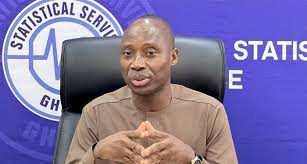
“High world prices can flatter the headline,” Government Statistician Dr Alhassan Iddrisu said in the report, adding that “lasting strength comes from making and selling more”.
Gold bullion generated GH¢78.4bn during the quarter, accounting for 72.3% of Ghana’s merchandise exports. Close to three of every four cedis earned from exports therefore came from one commodity.
Crude petroleum was the second-largest export at GH¢11.6bn, representing 10.7% of the total. Cocoa beans generated GH¢3.2bn, while cocoa paste and cocoa butter contributed GH¢2bn and GH¢1.3bn respectively.
Together, the five leading export products accounted for 89% of total exports. Every other product shipped from Ghana contributed only 11%.
Gold’s share of export earnings rose from 57.7% in the first quarter to 72.3% in the second, while cocoa beans and processed cocoa products fell from 16.5% to 7%.
The concentration delivered substantial foreign-exchange earnings but left the trade account more exposed to movements in gold prices, production volumes and demand from a small number of international buyers.
Four countries received 99.8% of Ghana’s gold exports. The United Arab Emirates accounted for 41.6%, Switzerland 22.3%, India 22.1% and South Africa 13.8%.
The UAE consequently became Ghana’s largest overall export destination, purchasing goods worth GH¢32.7bn, or 30.2% of total exports. India followed with GH¢17.6bn and Switzerland with GH¢17.5bn.
The top five destinations received 76.2% of Ghana’s exports, up from 65.7% in the previous quarter. The UAE and India alone accounted for 46.4%.
This product-and-market concentration means a change in the policies, refining demand or commercial practices of a handful of countries could quickly affect Ghana’s export receipts.
Ghana’s import bill was led by fuel and machinery.
Gas oil was the single largest imported product at GH¢12.2bn, followed by pump parts worth GH¢10.1bn and super petrol valued at GH¢8bn. Crude petroleum contributed GH¢5.8bn, while used vehicles with engine capacities between 1,500cc and 3,000cc accounted for GH¢3.1bn.
Mineral fuels and oils made up 30% of imports, up from 22.6% in the first quarter. Machinery and electrical equipment represented another 23.5%.
The cost pressure was aggravated by rising international prices. Ghana’s import-price index increased by 22.7% quarter-on-quarter, more than five times the 4% increase in export prices.
Fuel-import prices climbed by 54.1% in only three months. Export prices for mineral fuels and oils also rose sharply, but Ghana’s continued dependence on imported diesel and petrol leaves households and businesses exposed when global refined-product markets tighten.
China remained Ghana’s largest supplier, providing goods worth GH¢20.4bn. Its share nevertheless fell from 29.7% in the first quarter to 21.5%.
South Africa moved into second place with GH¢11.8bn, driven by the exceptional importation of GH¢10bn in pump parts. The UAE, United States and Nigeria completed the five largest sources of imports.
The scale of the pump-parts consignment demonstrates how a single transaction can alter quarterly trade figures. Its nature may also matter: machinery imports can weaken the immediate trade balance while improving future productive capacity if they are tied to commercially viable investments.
Ghana’s trade with Africa shifted from a GH¢12.3bn surplus in the first quarter to a GH¢4.4bn deficit in the second.
Exports to African markets fell by 8.6% to GH¢19.2bn, while imports increased to GH¢23.6bn about 2.7 times their first-quarter level.
The GH¢10bn purchase of pump parts from South Africa accounted for most of the reversal. Excluding that consignment, imports from Africa would have been approximately GH¢13.6bn, leaving Ghana with a continental surplus.
South Africa was both Ghana’s largest African buyer and supplier. It purchased GH¢10.8bn of Ghanaian exports, 99.8% of which was gold, and supplied GH¢11.8bn in imports, dominated by machinery and electrical equipment.
The relationship was therefore nearly balanced in value but highly specialised: Ghana sold a precious metal and bought industrial machinery.
Ghana’s trade with West Africa reached a record US$1.33bn during the quarter, although it recorded its first deficit over the period examined, at US$250mn.
Imports from the region reached GH¢8.86bn, compared with exports of GH¢6.18bn. Four fuel products accounted for 80.5% of the import bill.
The export side, however, contained one of the report’s most important findings.
Ghana’s five largest exports to West Africa represented only 39.4% of regional sales, compared with 89% for exports to the world. More than half of exports to neighbouring markets came from a broad range of other products.
These included baby napkins, tiles, plastics, chemical preparations, coated steel sheets, sacks, bags and household articles. Burkina Faso purchased steel, plastics and fuel, while Côte d’Ivoire imported Ghanaian baby napkins and Togo bought carbon dioxide and chemical products.
The contrast is striking. Ghana’s global export account is dominated by gold and crude oil, while its trade with neighbouring countries contains a greater variety of manufactured and semi-processed goods.
West Africa may therefore offer the clearest path towards export diversification, even though the region currently accounts for a relatively small share of Ghana’s total earnings.
The second-quarter numbers do not suggest Ghana’s trade position has collapsed. A GH¢13.8bn nominal surplus continues to provide foreign-exchange support, and machinery imports may eventually strengthen productive capacity.
But the composition of the figures carries clear warnings.
The surplus fell by 70%, import volumes rose considerably faster than export volumes, and almost three-quarters of export earnings came from gold. A small number of products and buyers now determine much of Ghana’s external performance.
The challenge is to convert the temporary advantage from high commodity prices into productive capacity before those prices turn.
That requires investment in processing, manufacturing, logistics and regional market access. It also requires Ghana to treat West Africa not merely as a political integration project but as the market where its non-traditional and manufactured exports already appear most competitive.
Ghana still recorded a trade surplus in the second quarter. But beneath that headline lies a more sobering conclusion: the country earned more because what it sold was expensive, not because it sold more.
That distinction will determine whether the trade surplus becomes a foundation for structural transformation or disappears when the commodity cycle changes.

