

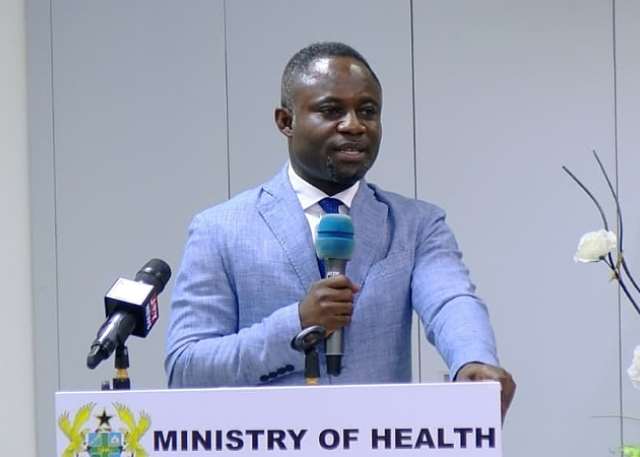

- Ghana Rejects Proposed US Health Aid Deal Over Data-Sharing Concerns
Ghana has rejected a proposed bilateral health assistance agreement with the United States, citing concerns about requirements to share sensitive health data, Reuters reported, in a setback to the Trump administration’s effort to restructure foreign aid through country-by-country deals.
Reuters, citing a source familiar with the negotiations, said the government of President John Dramani Mahama baulked at provisions that would have required data sharing. Ghana’s foreign ministry and government did not respond to Reuters’ requests for comment, while the US State Department said it does not disclose details of bilateral negotiations but “continues to look for ways to strengthen the bilateral partnership”.
The proposed agreement emerged under the US “America First Global Health Strategy”, announced in September, which calls for poorer countries to play a larger role in financing and managing responses to HIV/AIDS, malaria, tuberculosis and polio and to transition from aid to greater self-reliance. The plan is part of a broader overhaul of US foreign assistance after the US Agency for International Development was dismantled earlier this year, Reuters reported.
According to Reuters, the talks with Ghana began in November and would have provided $109 million in US health assistance over five years, though it was unclear what Ghana’s co-financing obligation would have been. The source told Reuters that negotiations became more pressured toward the end, with Washington setting April 24 as a deadline to conclude the agreement, after which Accra decided it could not accept what was being proposed.
The Ghana decision follows similar turbulence elsewhere. Reuters reported that talks with Zimbabwe fell through over comparable data concerns, and that a court in Kenya suspended implementation of Kenya’s deal pending a case filed by a consumer protection group.
The US State Department said that, as of Monday, it had signed 32 agreements under the America First global health framework, representing $20.6bn in funding comprising $12.8bn from the US and $7.8bn in “co-investment from recipient countries” and that additional memorandums are expected to be signed soon.
Reuters also cited US government foreign assistance data showing that Washington disbursed $219 million in foreign assistance to Ghana in 2024, including $96 million specifically for health, before the administration’s cuts to foreign aid.
The episode highlights a growing policy trade-off in many developing countries: how to maintain health outcomes with limited budgets while meeting donor demands for more transparency, performance monitoring, and data access, and how to balance these requirements with domestic concerns about privacy, sovereignty, and control over sensitive national datasets.

