


Ghana’s Financial Leaders Weigh Open Banking, Virtual Asset Regulation, Trust and Accountability at Future of Finance Dialogue
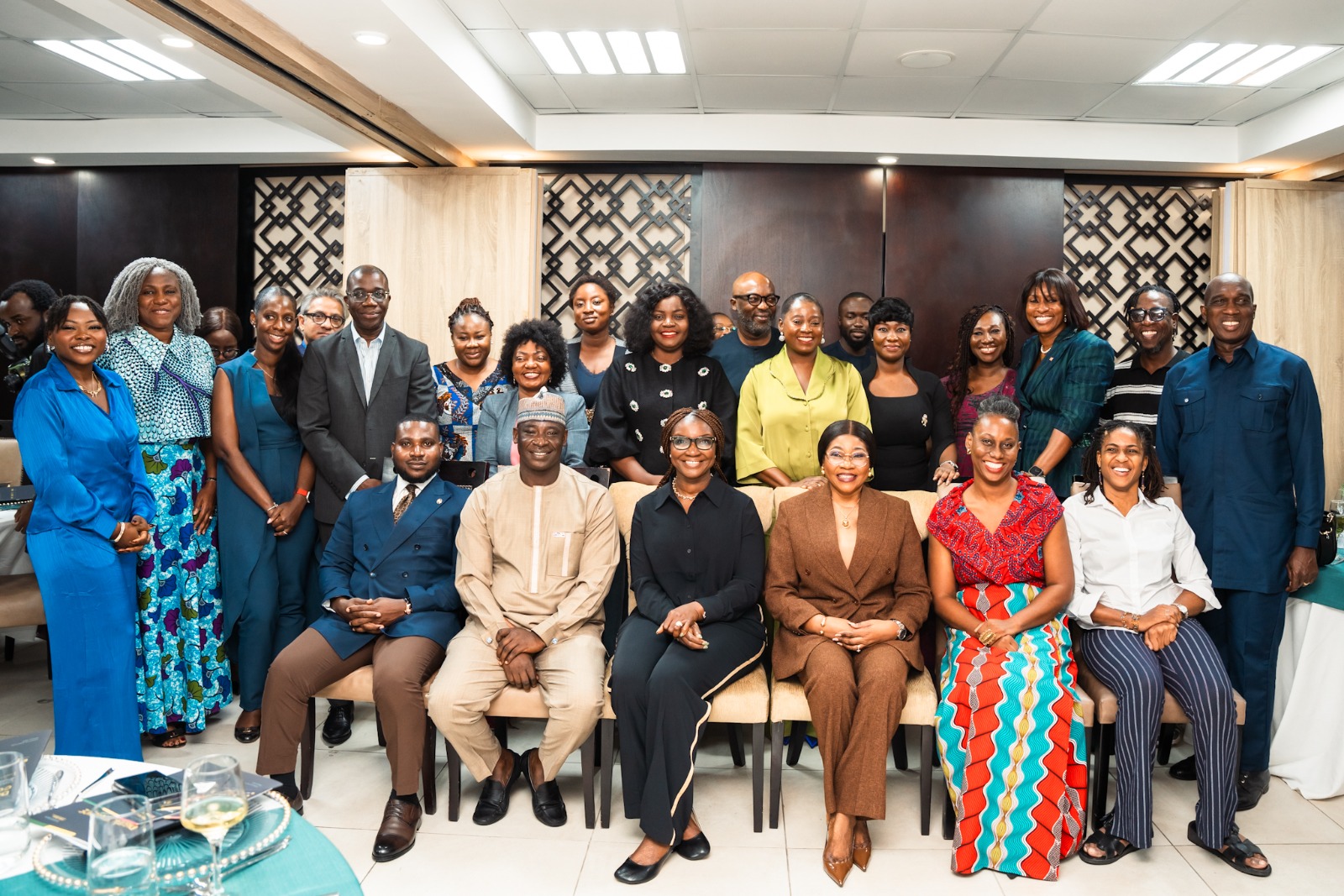
Ghana’s financial services and digital economy leadership converged in Accra on January 23, 2026, for a closed-door Future of Finance Dialogues (FOF) dinner, as policymakers and industry executives weighed how to scale modern financial services without undermining trust and stability.
The invite-only dialogue, held under the Chatham House Rule and convened by technology governance expert Ethel Cofie, focused on the future of Open Banking, payments infrastructure, and accountability in an increasingly interconnected financial ecosystem.
The gathering brought together a deliberate mix of public and private sector leadership. Public officials referenced in subsequent coverage included Second Deputy Governor of the Bank of Ghana, Mrs. Matilda Asante Asiedu; Presidential Adviser and Special Aide to the President, Joyce Bawah Mogtari; and Hon. Dr. Abed Nego Azumah Bandim, MP for Bunkpurugu and Chair of Parliament’s Select Committee on Information and Communications. Regulatory perspectives were also represented by the Securities and Exchange Commission and the Data Protection Commission, with senior officials including Mensah Thompson and Dr. Arnold Kavaarpuo referenced in discussions around market oversight, consumer protection, and data governance.
From the private sector, banking leaders cited included Farihan Alhassan of GCB Bank, Julian Opuni of Fidelity Bank, and Pearl Nkrumah of Access Bank Ghana, who also serves as Chair of the Ghana Stock Exchange Board, alongside fintech founders and ecosystem builders.
Ethel Cofie, CEO and Founder of EDEL Technology Consulting and founder of Women in Tech Africa, is widely regarded as a bridge between technology execution and board-level governance. Her work at the intersection of digital transformation, market building, and implementation framed the multi-stakeholder nature of the dialogue.
The timing of the dinner was significant. It came in the same week Ghana’s policy direction on Open Banking and virtual assets became clearer.
On Open Banking, the Bank of Ghana published a Draft Open Banking Directive on January 22, 2026, positioning the framework as a tool to accelerate digital financial services, enhance competition, and improve payments efficiency. Open Banking, at its core, enables customers to consent to the secure sharing of their financial data with regulated third parties through standardised digital interfaces, supporting new products, partnerships, and improved customer experience.
At the same time, regulatory momentum around virtual assets intensified. The Securities and Exchange Commission disclosed that Parliament passed the Virtual Asset Service Providers Bill in late December 2025, establishing a legal framework for licensing and registration of virtual asset activities. This was followed on January 22, 2026, by a joint policy position from the Bank of Ghana, the SEC, and the Financial Intelligence Centre, stating that virtual assets can no longer operate outside Ghana’s regulatory perimeter, noting that the ecosystem now serves more than three million users.
These parallel developments shaped a recurring question throughout the evening: how can Ghana build financial innovation at speed without introducing systemic fragility?
Discussions repeatedly returned to everyday customer realities—failed transactions, delayed dispute resolution, fraud incidents, and access to working capital for small businesses. Participants noted that as Open Banking enables deeper data sharing and cross-platform partnerships, clarity around consent, data security, and accountability becomes critical. In a connected ecosystem, responsibility cannot be deflected when customer journeys span multiple institutions.
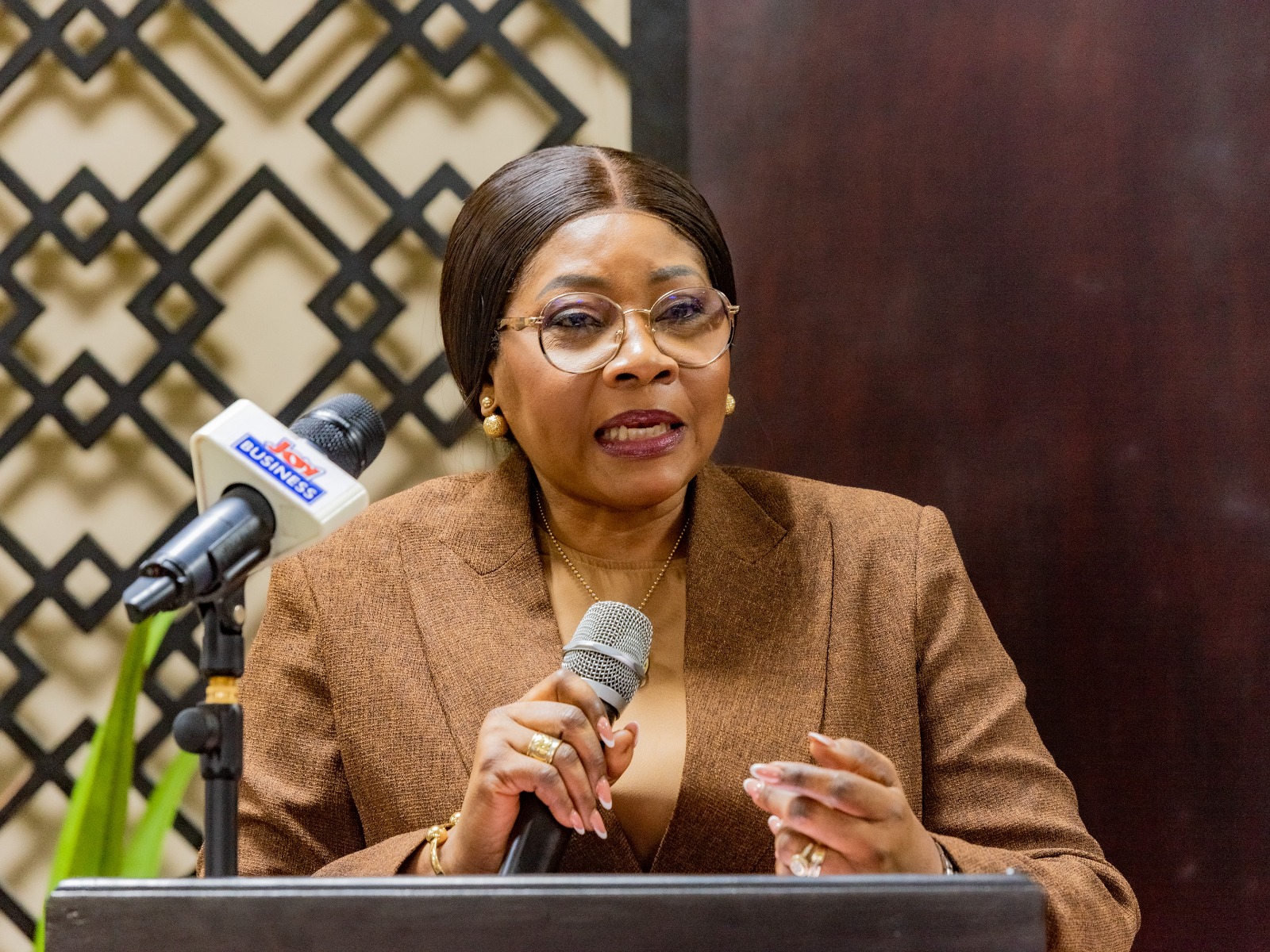
In public remarks, Mrs. Asante Asiedu framed Open Banking as both an opportunity and a collective responsibility, describing it as an ecosystem-wide movement rather than a purely regulatory initiative. Her message underscored growth potential for banks, while calling for disciplined execution from fintechs and developers.
Joyce Bawah Mogtari’s contributions were described by participants as action-oriented, urging industry leaders to seize the moment to build solutions that deliver tangible value for citizens and businesses, while maintaining responsibility.
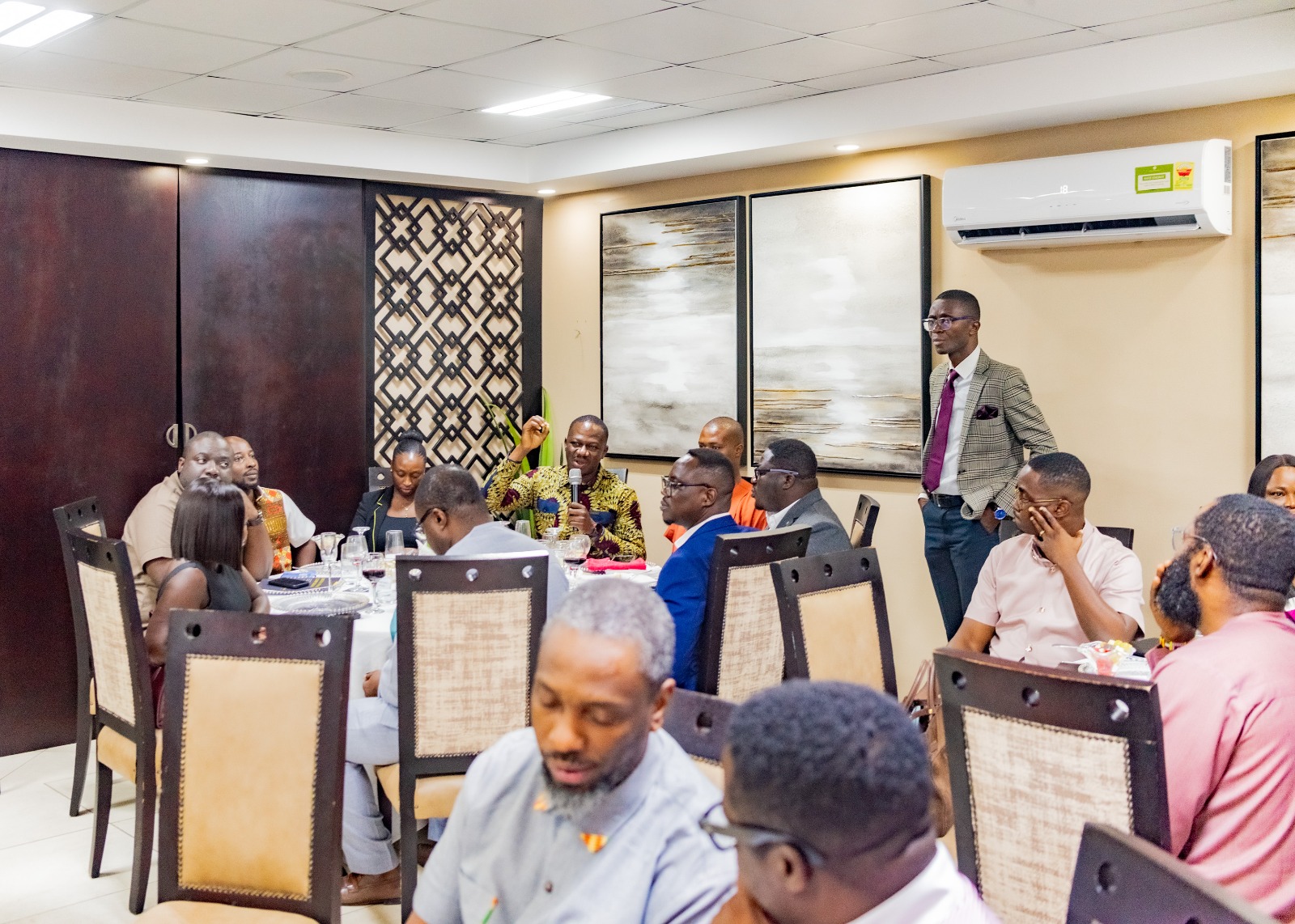
From the legislative perspective, Hon. Dr. Bandim emphasised that digital finance is already embedded in how Ghanaians save, transact, borrow, remit, and invest. He cautioned that passing laws is only the starting point, noting that effective regulation, supervision, and industry practice ultimately determine outcomes. “Legislation is only the skeleton. Regulation, implementation, and industry practice are the flesh and blood,” he said.
Several themes emerged by the end of the dialogue. Partnerships were identified as both a growth catalyst and a source of risk, requiring clear allocation of responsibility and risk-sharing arrangements. Dispute resolution was framed as a trust issue rather than an operational afterthought, particularly as financial services become more interconnected. On virtual assets, participants stressed the importance of sequencing—aligning licensing, safeguards, consumer education, and coordination to ensure innovation does not outpace protection.
Overall, the dialogue signalled a shift in Ghana’s digital finance conversation – from vision and ambition toward operating detail. While less visible than product launches, participants agreed that this phase will determine whether financial innovation translates into convenience and inclusion, or confusion and mistrust for customers.

