

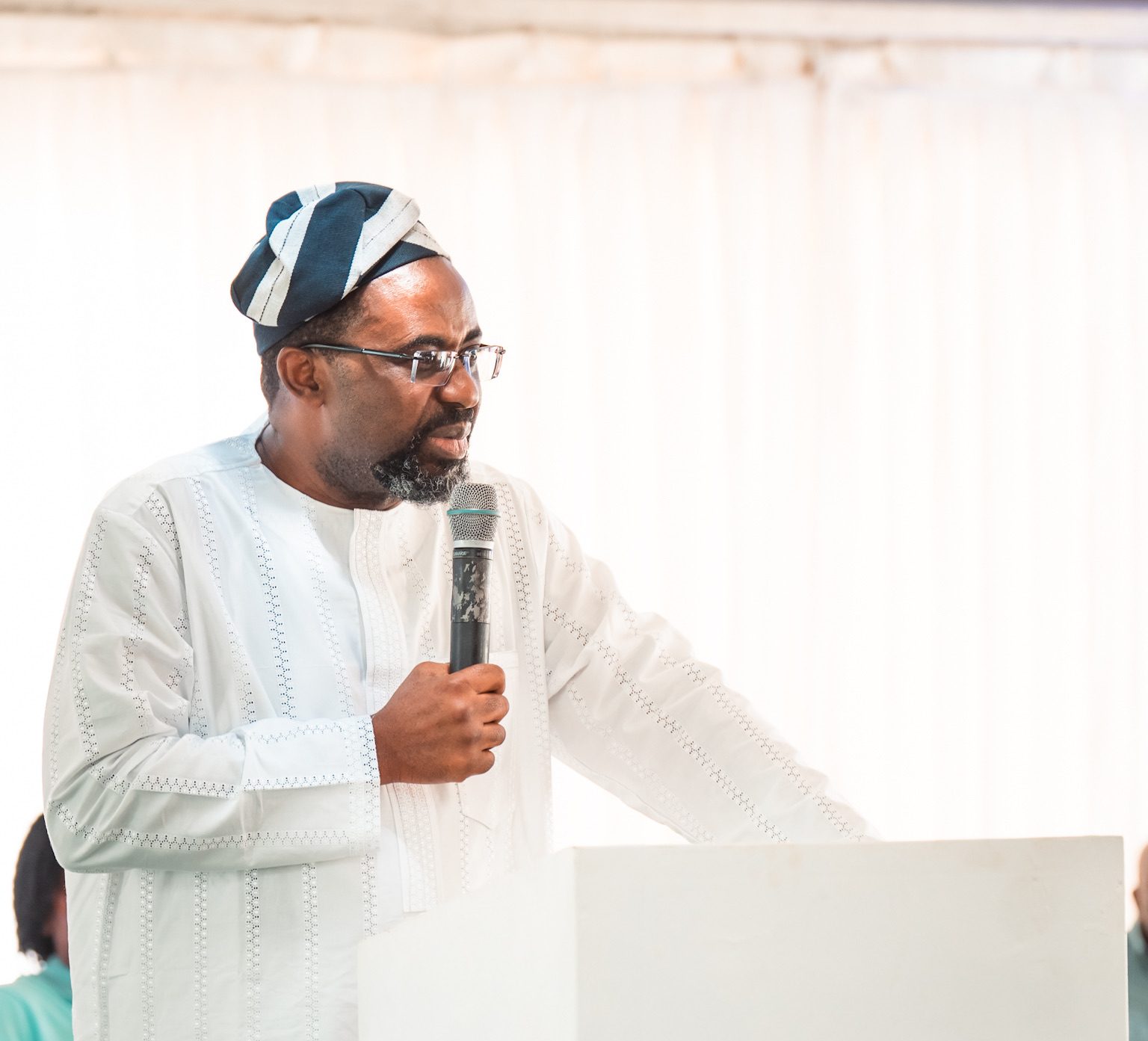

- Ghana’s macroeconomic gains came with difficult policy trade-offs – Governor
Bank of Ghana Governor Dr Johnson Pandit Asiama has offered a candid glimpse into the cost of restoring macroeconomic stability, telling business leaders that the country’s improving inflation and exchange rate picture in 2025 came only after what he described as expensive monetary intervention by the central bank and the government.
Speaking at the Governor’s Roundtable session during the 2026 Kwahu Business Forum, Dr Asiama said the central bank’s work is defined by difficult trade-offs, as policymakers try to balance support for growth with the need to maintain price and currency stability.
“The work we do is always about trade-offs… trying to strike the right balance,” he said.
His remarks are central to the current Ghanaian policy debate. After a prolonged period of inflation, currency instability, and debt stress, the country’s macroeconomic recovery is now becoming more visible. But the governor’s comments suggest that the headline gains have come with real financial costs for the central bank itself.
Reflecting on Ghana’s economic performance in 2025, Dr Asiama pointed to the cedi’s stability as one of the clearest signs of progress. “The Cedi is stable and under control,” he said.
That confidence, however, was paired with an admission that bringing inflation down required aggressive liquidity management. According to the governor, the Bank of Ghana had to spend heavily to absorb excess money from the system to contain inflationary pressures.
“Last year was good but expensive for the central bank. It took us a lot of money to mop up excess liquidity and bring inflation down to 5.4% by December 2025,” he said.
That statement is significant because it underscores a less visible dimension of macroeconomic adjustment. Lower inflation is often read as a straightforward policy success. But in practice, it can involve costly sterilisation operations, liquidity absorption, and balance sheet pressure on the central bank. In other words, stabilisation is not free.
Dr Asiama nevertheless suggested that the worst of that cost may now be behind the central bank. In his view, the policy burden in 2026 should be lighter if inflation expectations remain anchored and price gains continue to moderate. “If you look at where inflation was at the end of December 2024 and where it is now, it wouldn’t involve the same level of resources to keep it low and stable going forward,” he said.
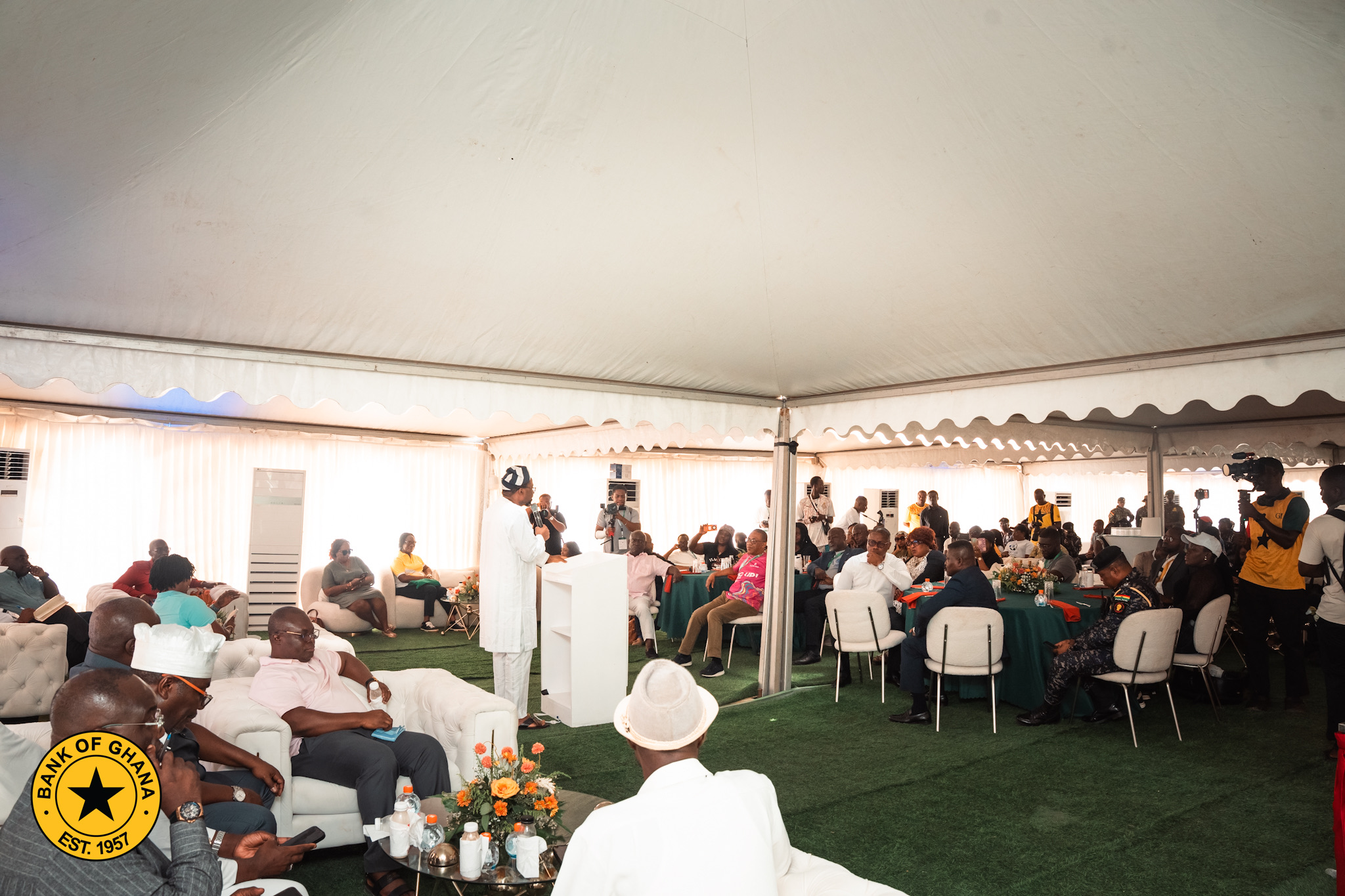
That is an important signal for markets and businesses alike. It implies the Bank of Ghana sees the current disinflation process as entering a less resource-intensive phase one in which the challenge may shift from forcing inflation down to keeping it low without destabilising growth.
Still, the governor’s framing leaves open a broader policy question: whether the gains in inflation and exchange-rate stability can be sustained without imposing fresh constraints on liquidity, credit, and broader economic activity. That is the trade-off central banks everywhere confront, but it is especially acute in Ghana, where businesses continue to complain about the high cost of credit even as macro indicators improve.
Dr Asiama appeared aware of that tension. He emphasised that the central bank’s stability efforts ultimately aim to create stronger financial intermediation and better support for the productive economy. “When banks are strong, they can give more credit,” he said.
That line is likely to resonate with the business community, which has been seeking clearer evidence that macroeconomic recovery is beginning to translate into cheaper and more available financing. The challenge, as always, is timing. Stronger banks do not automatically mean faster credit expansion, especially when risk appetite remains cautious and real sector conditions are still uneven.
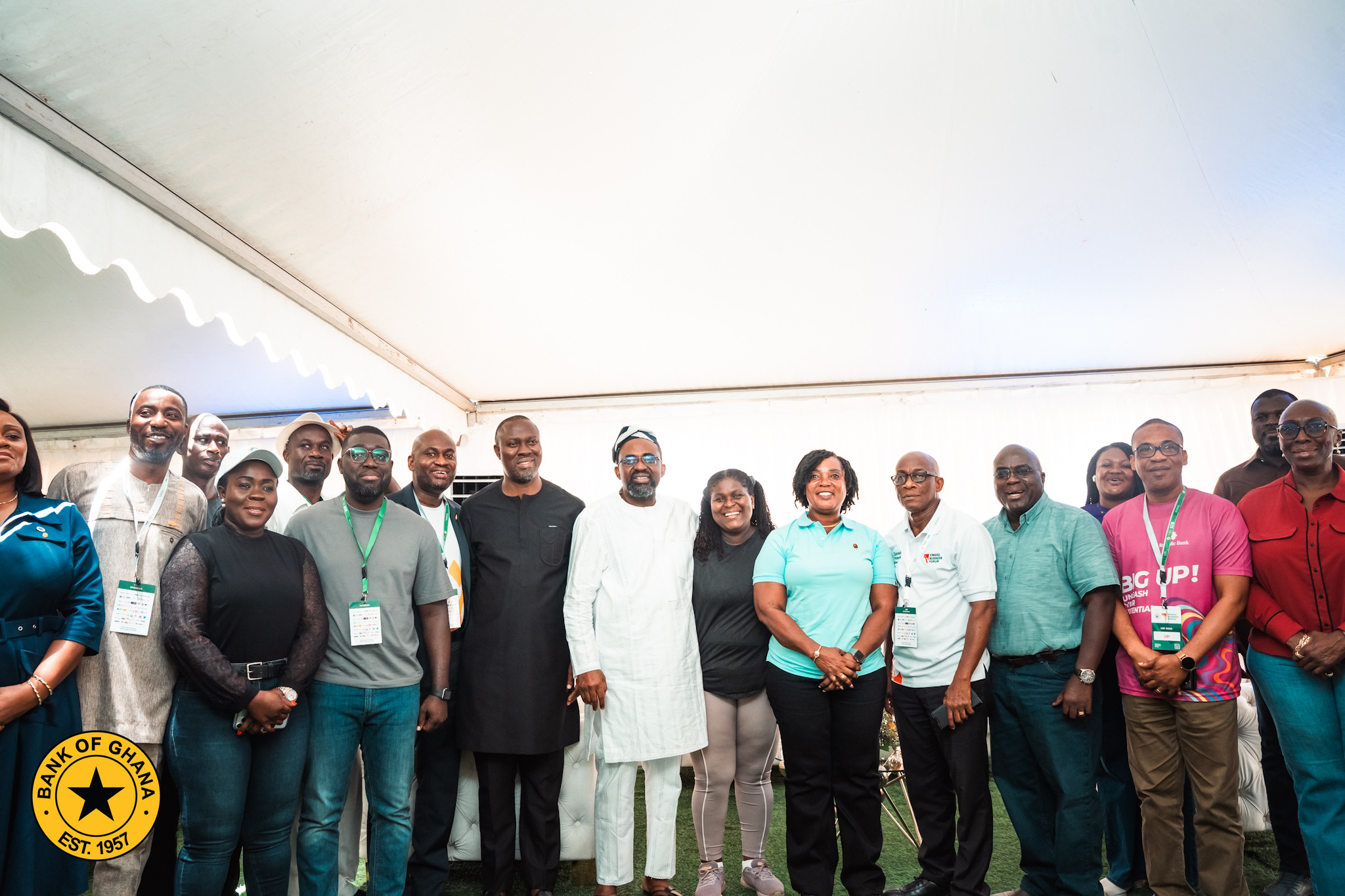
The governor’s remarks came at the close of the 2026 Kwahu Business Forum, which brought together business owners, industrialists, investors, policymakers, and development partners to discuss the policy environment for enterprise growth. Among those in attendance were Chief of Staff Julius Debrah, Eastern Regional Minister Rita Akosua Adjei Awatey, Presidential Economic Adviser Seth Terkper, and Legal Counsel to the President Marietta Agyeiwaa Brew.
What Dr Asiama’s intervention ultimately did was strip away some of the easy optimism around Ghana’s recent macroeconomic improvement. Yes, the cedi is firmer. Yes, inflation has fallen sharply. But the governor’s own account is a reminder that those outcomes were achieved through difficult and costly policy choices.

