

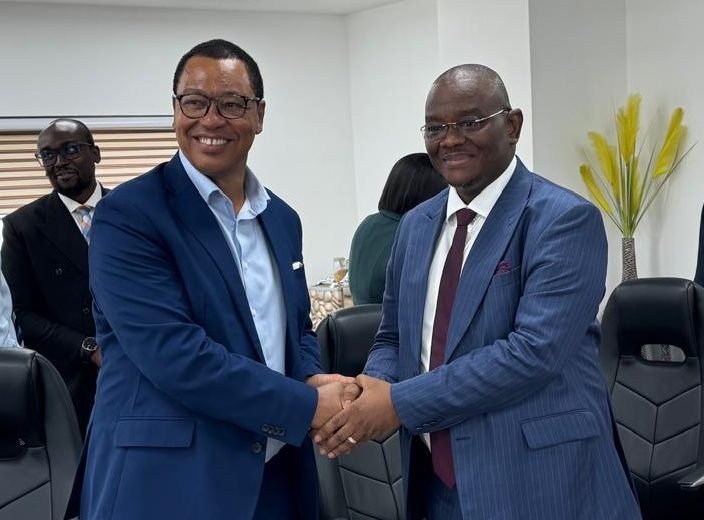

- GHIB, GEXIM Move to Deepen Export Finance Partnership for Ghanaian Businesses
Ghana International Bank and the Ghana Export-Import Bank are moving to formalise a strategic partnership aimed at strengthening Ghana’s export finance ecosystem and improving the ability of local businesses to access international markets.
The two institutions are expected to execute a Non-Disclosure Agreement and a Memorandum of Understanding to establish a framework for cooperation, future engagements and joint support for Ghanaian exporters and corporates.
The partnership seeks to combine GEXIM’s domestic export development mandate with GHIB’s international banking capabilities, creating a more integrated support system for businesses looking to move from production and export readiness to international trade execution, settlement and access to global financial markets.
For Ghana, the collaboration comes at a time when policymakers are seeking to diversify exports, deepen value addition, support small and medium-sized enterprises and reposition the country as a more competitive trade and investment hub in West Africa.
GHIB, as a Ghanaian-owned UK-regulated bank, is expected to bring its expertise in correspondent banking, treasury and foreign exchange solutions, syndicated finance, commodity finance and international trade services to complement GEXIM’s role in supporting export-oriented enterprises.
Speaking on the partnership, GHIB Chief Executive Officer Ian Greenstreet described the bank as GEXIM’s “natural international banking partner,” arguing that the two institutions occupy complementary positions within Ghana’s economic architecture.
“GEXIM supports Ghanaian businesses to produce, grow and export. GHIB connects those businesses to the global financial system. Through our expertise in correspondent banking, treasury solutions, syndicated finance, commodity finance and international trade, we are committed to helping Ghanaian businesses access international markets, attract investment and compete successfully on the global stage,” he said.
Mr Greenstreet said the partnership would provide essential building blocks required to support Ghana’s ambition of becoming a leading trading hub and export destination.
The collaboration is expected to support exporters that often face barriers in accessing trade finance, foreign exchange services, international settlement systems, structured finance and reliable banking relationships in external markets.
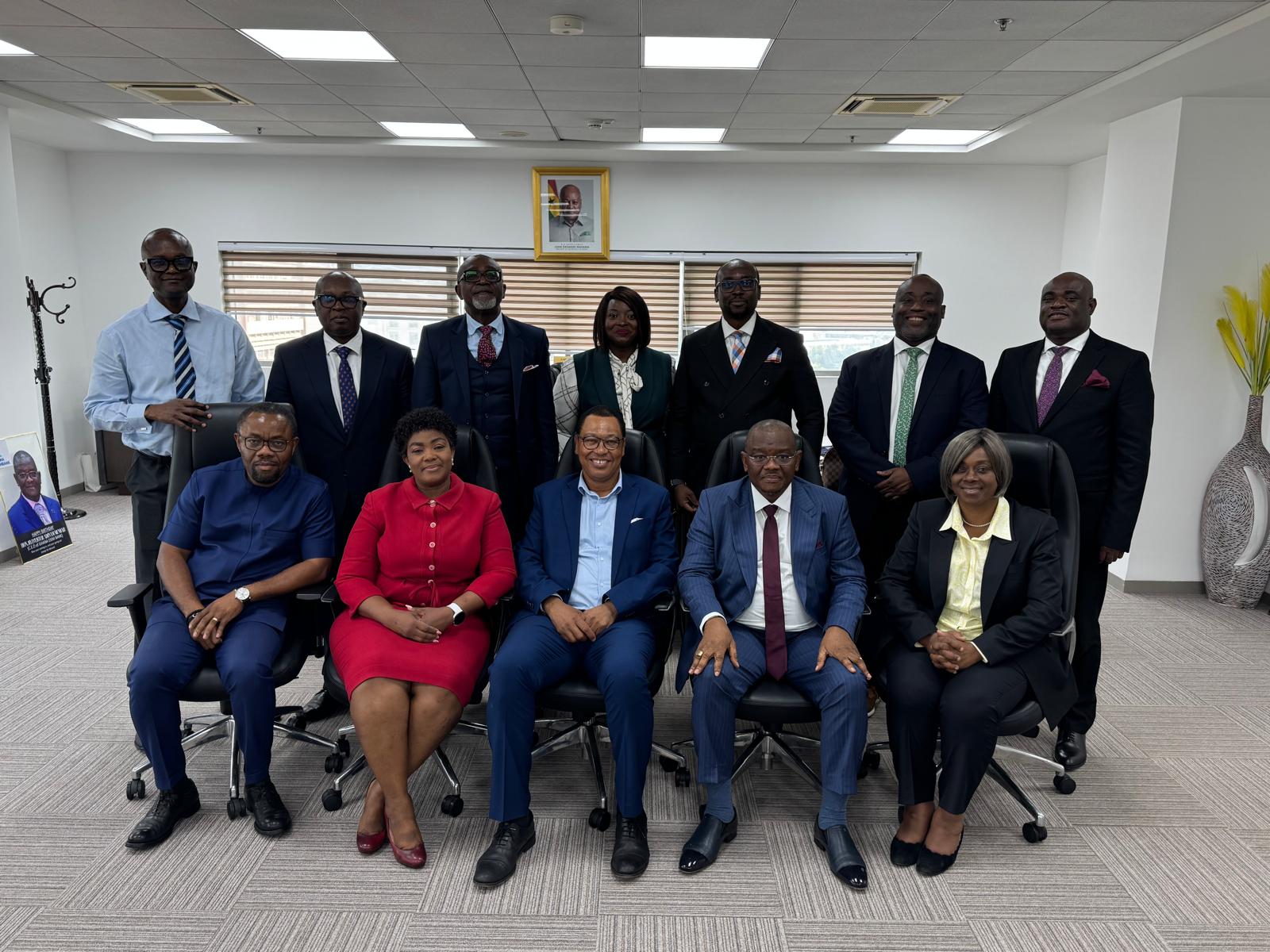
For many Ghanaian businesses, particularly those seeking to scale beyond the domestic market, financing alone is not enough. Export competitiveness also depends on access to global banking networks, market intelligence, payment systems, commodity finance structures and the ability to manage cross-border transaction risks.
GEXIM Chief Executive Officer Sylvester Mensah said the partnership would strengthen support for Ghanaian enterprises, especially micro, small and medium-sized enterprises seeking to participate more effectively in regional and international value chains.
“Our vision is to build globally competitive Ghanaian businesses capable of succeeding in regional and international markets,” Mr Mensah said.
He noted that GEXIM’s support goes beyond financing to include advisory services, mentorship, export readiness programmes, digital solutions and innovative financing structures aimed at helping businesses grow sustainably.
“Our partnership with GHIB extends that support by connecting Ghanaian businesses to international banking services, global financial networks and new market opportunities. Together, we are creating stronger pathways for exporters to scale their businesses and contribute meaningfully to Ghana’s economic transformation,” he added.
The proposed framework between the two banks is expected to improve coordination between local export financing and international trade execution, an area often seen as a missing link for Ghanaian firms trying to enter or expand in global markets.
The partnership could also help Ghanaian exporters better navigate regional opportunities under the African Continental Free Trade Area, while opening channels into broader global markets through GHIB’s London presence and correspondent banking relationships.
GHIB has long positioned itself as a bridge between Africa and global financial markets. Its core business is trade finance, complemented by correspondent and corporate banking, treasury, retail and business banking services. The bank serves financial institutions, parastatals, corporates, SMEs and the Ghanaian and African diaspora.
That international positioning gives the partnership strategic relevance. GEXIM can support local firms with financing and export development programmes, while GHIB can provide the external financial infrastructure needed to execute transactions, manage foreign exchange requirements and connect firms to global banking counterparties.
The move also aligns with Ghana’s broader economic policy objective of shifting from raw commodity dependence to value-added exports. If implemented effectively, the GHIB-GEXIM partnership could support businesses in sectors such as agriculture, agro-processing, manufacturing, light industry and commodities to move up the value chain and access new markets.
The success of the partnership will depend on how quickly the two institutions translate the planned MoU into practical products and services for exporters. Businesses will be looking for solutions that address real constraints: affordable trade finance, faster transaction processing, credible international banking support, export advisory services and access to buyers and markets.
By combining GEXIM’s domestic development role with GHIB’s global banking expertise, the two institutions are seeking to create a seamless bridge between Ghanaian enterprise and the international marketplace.
For Ghanaian exporters, the promise is clear: stronger financial support at home, better market access abroad and a more structured path from local production to global trade.

