

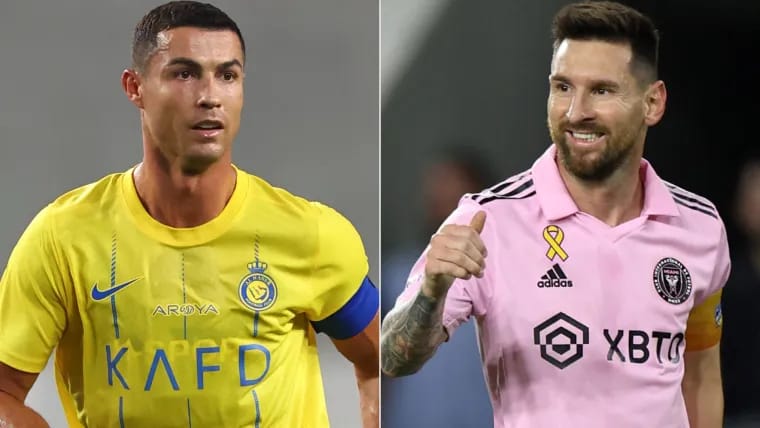

Global Stars, Global Fortunes: How Messi, Ronaldo, Prescott and Ohtani Are Paid
The world’s biggest sports stars are often its highest earners — and for good reason. Their talent draws global audiences, fuels commercial growth, and elevates entire leagues. From football icons to American sports superstars, modern athlete salaries are shaped by a complex mix of contracts, commercial power, and league regulations.
At the very top sit generational figures like Lionel Messi and Cristiano Ronaldo, whose earnings stretch far beyond the pitch. Even in the latter stages of their careers, both remain among the best-paid athletes in the world. Messi reportedly earns between $70 million and $80 million annually at Inter Miami CF, with additional incentives including equity and revenue-sharing agreements tied to the league’s broadcast deals.
Ronaldo, meanwhile, tops the global rich list with a staggering $225 million annual salary at Al Nassr FC, backed by Saudi Arabia’s powerful investment structures. Their immense social media followings — the largest in the world — further amplify their value, turning every post into a commercial opportunity.
NFL: Quarterbacks Cash In
In the NFL, salaries are shaped by a strict salary cap system, but elite quarterbacks still dominate earnings. Dak Prescott became the league’s highest-paid player after signing a $240 million contract with the Dallas Cowboys, averaging $60 million per year.
Quarterbacks command the biggest deals due to their influence on the game, with stars like Joe Burrow and Josh Allen also earning upwards of $50 million annually. Contract structures often include guaranteed money and signing bonuses, carefully managed to fit within the league’s financial rules.
MLB: Record-Breaking Deals and Creative Structures
Major League Baseball operates without a salary cap, allowing contracts to soar to unprecedented levels. Shohei Ohtani made headlines with a $700 million deal at the Los Angeles Dodgers, though heavily deferred payments reduce its present value.
That record was quickly surpassed by Juan Soto, who signed a 15-year, $765 million contract with the New York Mets. These deals highlight MLB’s financial flexibility, where teams can structure payments to manage tax implications and roster-building strategies.
NBA: Stars Tied to the Cap
The NBA’s system links player salaries directly to league revenue, with top players earning a percentage of the salary cap. Stephen Curry leads current earnings at over $59 million per season with the Golden State Warriors.
Other stars, including Nikola Jokic and Joel Embiid, follow closely behind. Meanwhile, younger talents are securing massive long-term deals as the league’s revenues — and salary cap — continue to rise.
WNBA: Growth, কিন্তু a Pay Gap Remains
While salaries in the WNBA are increasing, they still lag far behind their male counterparts. A’ja Wilson is set to earn around $1.4 million on a supermax deal with the Las Vegas Aces, marking a significant milestone for the league.
Emerging stars like Caitlin Clark continue to attract attention, but structural factors — including revenue sharing — limit overall earnings.
NHL: Caps and Constraints
In the NHL, salary limits keep earnings comparatively lower. Kirill Kaprizov recently signed a record $136 million deal with the Minnesota Wild, but league rules prevent contracts from exceeding a fixed percentage of the salary cap.
The next major benchmark could come from Connor McDavid, widely regarded as the best player in the sport, whose future contract is expected to reset the market.
More Than Just Salaries
Across all sports, one theme is clear: contracts tell only part of the story. Endorsements, image rights, and global branding deals often push total earnings far beyond base salaries. For icons like Messi and Ronaldo, their influence transcends sport, making them not just athletes — but global enterprises.
As leagues grow and revenues expand, the financial landscape of sport continues to evolve, ensuring that the biggest stars remain among the most valuable figures in global entertainment.

