


- Global Stocks Rebound as Dollar Hits One-Year High and Oil Slides
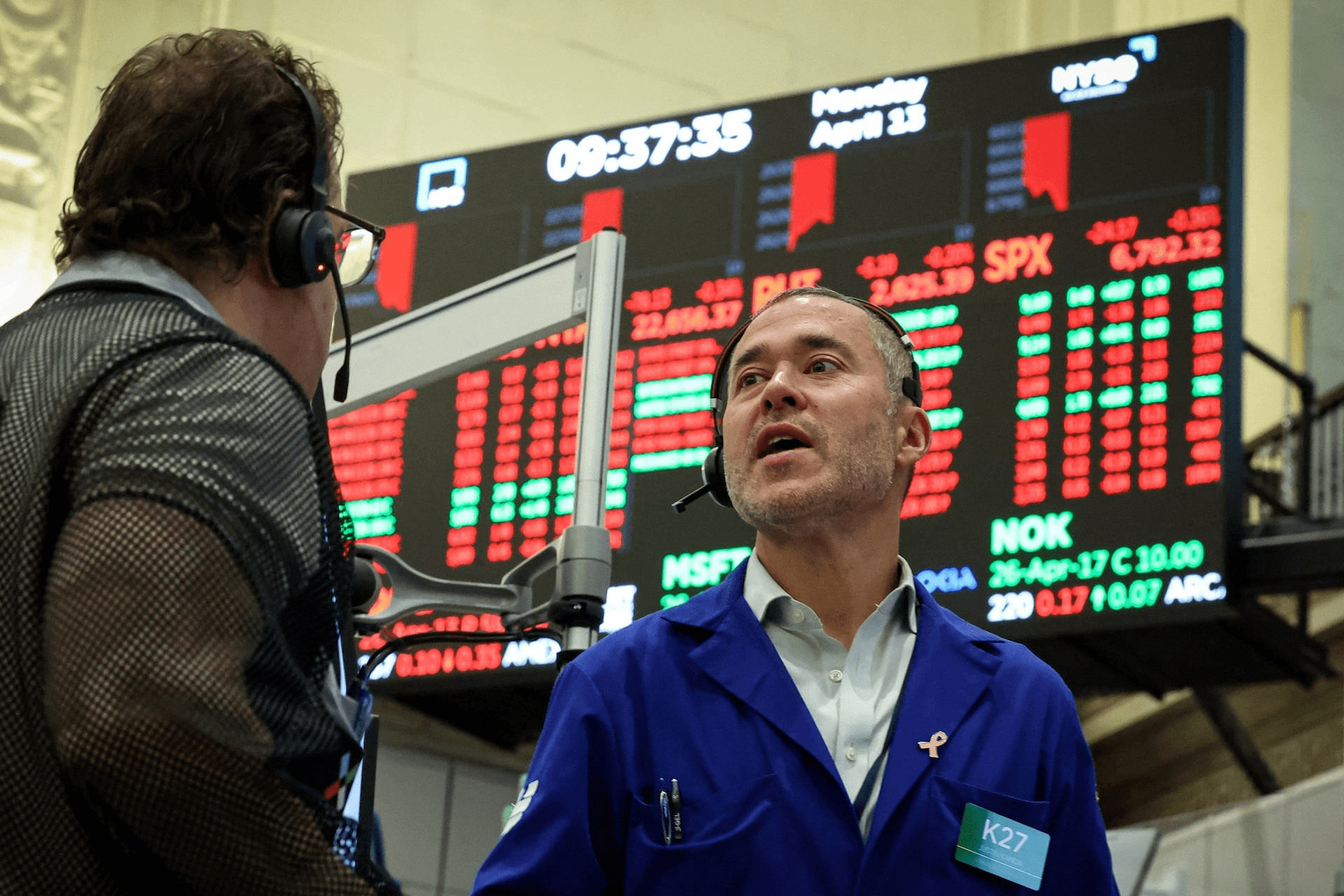
Global stocks regained some ground on Wednesday as investors moved back into equities after a sharp sell-off in technology shares, while the U.S. dollar climbed to a one-year high on expectations that the Federal Reserve could still raise interest rates this year.
The rebound was led by gains on Wall Street, where all three major U.S. indexes traded higher. The Dow Jones Industrial Average rose 1.12%, the S&P 500 gained 0.84%, while the Nasdaq Composite advanced 0.89%, recovering from the previous session’s technology-led rout. Investor sentiment, however, remained fragile.
Markets are still weighing concerns about stretched valuations in the technology sector, especially around artificial intelligence-linked stocks, while positioning ahead of earnings from chipmaker Micron Technology, whose products are central to the AI investment cycle.
Technology stocks edged higher after Tuesday’s losses, but the broader tone across markets suggested investors were not yet ready to declare the correction over.
Wasif Latif, chief investment officer at Sarmaya Partners, said markets may be nearing “peak hawkishness” in how they interpret the Federal Reserve’s latest stance. He noted that the bounce in equities reflected both recovery from the previous sell-off and investor positioning ahead of Micron’s results.
MSCI’s gauge of global equities rose 0.45%, while MSCI’s index of Asian equities excluding Japan gained 0.15%. South Korea’s KOSPI jumped 3.50% after falling 10.00% in the previous session.
European markets were broadly flat, with gains in selected luxury and technology stocks offsetting a sharp fall in Rheinmetall shares. The German defence company plunged 15.00% after media reports that the German government planned to scrap a delayed multibillion-euro frigate project.
In commodities, oil prices extended their decline, falling toward four-month lows as more tankers in the Gulf appeared set to resume movement through the Strait of Hormuz.
Brent crude fell 4.55% to US$73.53 per barrel, as fears of major supply disruption eased. Energy stocks were the weakest performers on Wall Street as the continued flow of crude through the strategic waterway reduced the geopolitical risk premium that had supported prices.
The decline in oil prices comes despite continuing uncertainty over the U.S.-Iran peace arrangement, with both sides offering conflicting accounts on key issues, including nuclear inspections and control of the Strait of Hormuz.
For oil-importing economies such as Ghana, lower crude prices could offer some relief if sustained, particularly through reduced pressure on fuel import bills and downstream pricing. However, any benefit would still depend on the exchange rate, taxes, levies and pricing decisions by petroleum market regulators. Currency markets were dominated by the dollar’s renewed strength.
The U.S. dollar rose for a third consecutive session against a basket of major currencies, reaching its highest level since May 2025. The dollar index gained 0.21% to 101.60 as investors increased expectations that the Federal Reserve may still tighten policy further.
The euro fell for a third straight day to around US$1.1354, trading near a one-year low as investors scaled back expectations that the European Central Bank would raise interest rates more aggressively.
The Japanese yen also weakened, trading around 161.77 to the dollar, keeping markets alert to the possibility of intervention by Japanese authorities to support the currency.
Gold came under pressure from the stronger dollar, with spot prices falling 2.35% to US$4,011.69 an ounce, its lowest level in more than seven months.
A stronger dollar typically weighs on gold by making the metal more expensive for holders of other currencies, while expectations of higher interest rates reduce the appeal of non-yielding assets. The market moves point to a familiar tension for global investors.
Equities are attempting to recover from valuation-driven pressure, particularly in technology, while currencies and commodities are being pulled by expectations of tighter U.S. monetary policy and easing geopolitical supply fears. For emerging and frontier markets, the stronger dollar is a key risk.
A rising dollar can tighten external financing conditions, increase the local-currency cost of dollar-denominated debt and put pressure on exchange rates. It can also reduce investor appetite for riskier assets. For Ghana, the combination of lower oil and stronger dollar presents a mixed picture.
Lower crude prices could ease some imported inflation and fuel-cost pressures. But a stronger U.S. dollar can offset part of that benefit by raising the cedi cost of imports if the local currency weakens.
This makes the global market environment important for Ghana’s inflation outlook, foreign exchange management and investor sentiment. The latest market rebound therefore offers only partial comfort.
Stocks have recovered some lost ground, but the underlying drivers of volatility remain in place: technology valuation concerns, uncertainty over Fed policy, fragile geopolitical confidence and shifting commodity prices.
Investors may take encouragement from the bounce in equities, but the move into the dollar suggests caution is still dominating global positioning.

