


- Government Vows to Guard Economic Recovery With Tough Fiscal Discipline
Ghana’s government has pledged to fiercely protect the country’s recent economic gains, signalling a renewed commitment to fiscal discipline and macroeconomic stability as it seeks to avoid a repeat of the financial turbulence that defined the period between 2022 and 2024.
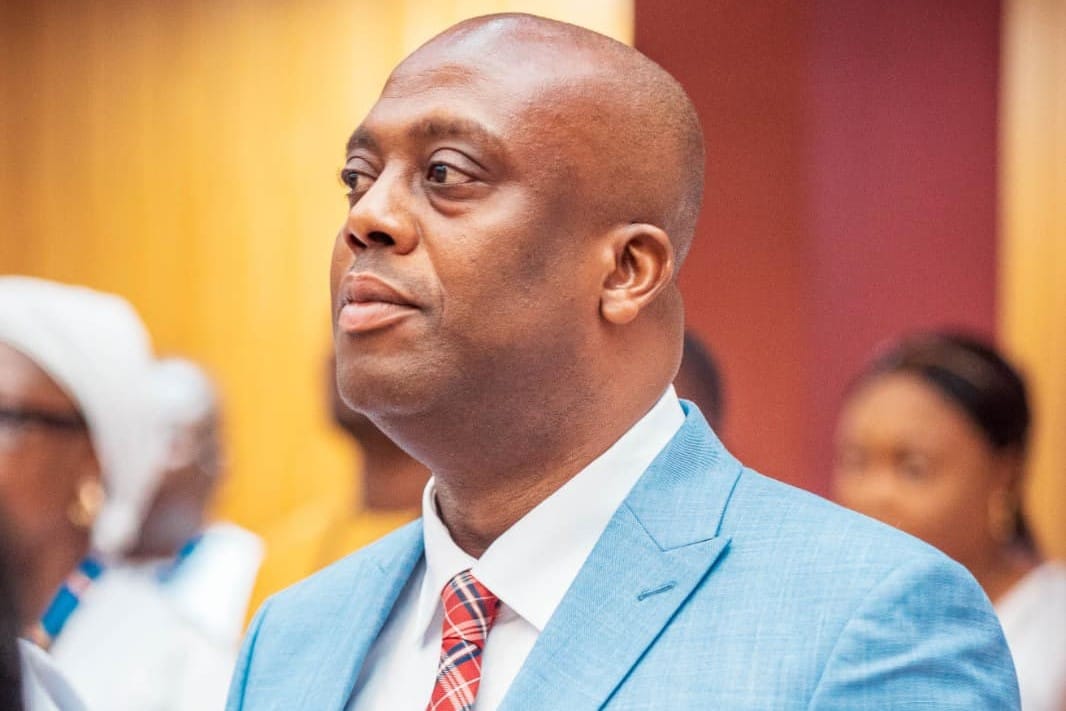
Speaking before Parliament’s Committee on Economy and Development during discussions on the 2024 National Annual Progress Report, Deputy Finance Minister Thomas Nyarko Ampem said the administration is implementing deliberate policy measures to sustain economic progress, strengthen confidence and preserve the gains made under the ongoing recovery programme.
The assurance comes as authorities continue efforts to stabilise inflation, strengthen the cedi, rebuild public finances and restore investor confidence following years of debt distress, rising borrowing costs, currency instability and an IMF-backed reform programme.
“I can give you the fullest assurance of Dr Ato Forson that he will continue to manage the finances of this country very well in order that we do not see what we saw in 2022, 2023 and 2024 again,” Mr Nyarko Ampem told lawmakers.
His comments point to a government seeking to draw a clear line between the recent crisis years and what it wants to present as a new phase of disciplined economic management.
Between 2022 and 2024, Ghana faced one of its most difficult economic periods in recent history, marked by high inflation, severe exchange rate pressure, loss of access to international capital markets, a domestic debt exchange, external debt restructuring and painful fiscal adjustment.
The Deputy Finance Minister said government is determined not to allow the country to return to that instability.
According to him, since 2025, the administration has maintained a policy mix anchored on expenditure restraint, aggressive revenue mobilisation and better targeting of public spending.
“We have constrained expenditure, we are aggressively pursuing revenue mobilisation and we are directing expenditure to the right areas that will give us the growth that we require,” he said.
That statement captures the central logic of the government’s current fiscal posture: spend less wastefully, collect more efficiently and channel public resources into sectors that can support productive growth.
Mr Nyarko Ampem said preserving Ghana’s recovery remains a central priority for the administration, describing the gains made so far as achievements that must be carefully protected.
“And so we will do everything possible to sustain the gains that we have made. We are guarding it jealously,” he added.
The message is likely to resonate with investors, development partners and market watchers, who are closely monitoring whether Ghana can maintain fiscal discipline after completing major phases of debt restructuring.
For Ghana, the challenge is no longer only to stabilise the economy. It is to sustain that stability long enough for businesses, households and investors to feel a durable improvement.
Fiscal discipline will be critical to that effort.
If government expenditure begins to rise faster than revenue, it could weaken the fiscal adjustment, renew pressure on borrowing, unsettle the cedi and complicate monetary policy. But if fiscal discipline is maintained, it could help consolidate disinflation, reduce debt vulnerabilities and support a more stable investment climate.
The Deputy Minister’s comments also come at a time when government is seeking to balance consolidation with growth.
A strict fiscal stance can reassure markets, but it must also protect priority spending in infrastructure, agriculture, health, education, social protection and job creation. The government’s argument is that disciplined spending does not mean abandoning development, but rather ensuring that expenditure is directed to areas with stronger economic returns.
Mr Nyarko Ampem also highlighted President John Dramani Mahama’s determination to leave office in 2028 with what officials describe as a strong economic legacy anchored on stability, growth and improved public sector management.
That political commitment raises the stakes for fiscal policy over the next two years.
Government will need to show that it can resist election-cycle spending pressures, maintain reform momentum, improve revenue collection, control arrears, strengthen public financial management and ensure that public investment delivers value for money.
The assurance before Parliament also reflects a broader attempt to rebuild trust in Ghana’s economic governance.
After the shocks of recent years, investors and citizens are no longer persuaded by optimistic projections alone. They will be looking for evidence of consistent policy execution, transparent public spending, credible budget targets and visible improvements in living conditions.
The government’s renewed fiscal pledge is therefore both a promise and a test.
It promises discipline after crisis. But it will be tested by spending demands, revenue pressures, exchange rate movements, energy sector obligations, public sector arrears and the political pressures that often accompany economic recovery.
For now, the message from the Deputy Finance Minister is clear: Ghana wants to protect its recovery, avoid a return to the instability of 2022 to 2024, and build a stronger macroeconomic foundation for long-term growth.
The harder task will be proving that fiscal discipline can survive beyond speeches and remain the operating principle of government.

