

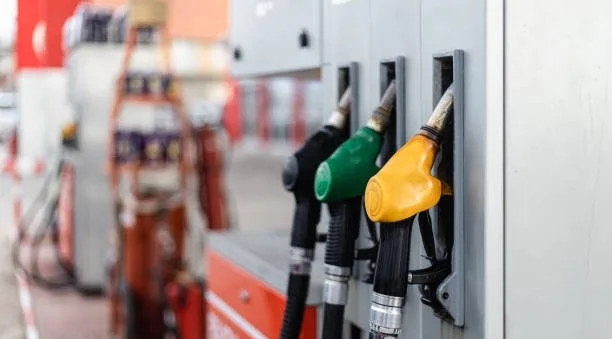

- Govt Intervenes in Fuel Market With One-Month GH¢2 Diesel Price Reduction
President John Dramani Mahama has ordered a GH¢2.00 per litre reduction in the regulatory margin on diesel for one month, as the government moves to cushion consumers from rising fuel costs and prevent higher pump prices from feeding into transport fares and broader inflationary pressures.
The directive will take effect from Tuesday, August 4, 2026, and remain in force for one month unless reviewed earlier by the government, according to a statement issued by the Presidency on Monday.
The intervention follows a Cabinet decision and draws on a similar measure implemented in April 2026, when the government intervened in the petroleum pricing structure to reduce the extent to which higher international energy costs were passed through to consumers.
The latest action comes amid renewed pressure on domestic fuel prices, particularly diesel, which has significant implications for Ghana’s transport, agriculture, manufacturing and logistics sectors.
Because diesel is extensively used by commercial vehicles, haulage operators, construction companies, industries and agricultural machinery, increases in its price can transmit quickly through the economy.
The Presidency said the temporary intervention was specifically designed to “cushion consumers, prevent transport fare hikes, contain inflationary pressures, and mitigate the pass-through effect of higher fuel prices on the cost of living.”
That objective makes the measure as much an inflation-management intervention as an energy-sector policy.
Fuel prices have a broad influence on Ghana’s consumer-price environment because transport costs form part of the expense structure of almost every major economic activity. Higher diesel prices can increase the cost of moving food from farms to urban markets, transporting manufactured products and operating commercial vehicles.
Those costs can eventually appear in retail prices even for consumers who do not directly purchase diesel.
The government’s decision therefore seeks to interrupt that transmission mechanism before higher petroleum costs trigger wider price adjustments.
The measure will also be closely watched by commercial transport operators, particularly because sustained fuel increases often trigger demands for adjustments to transport fares.
Preventing a new round of fare increases could be important to maintaining recent progress in lowering inflation, particularly because transport-fare adjustments tend to have direct and indirect effects across household expenditure.
The intervention follows pressure from energy-sector analysts for government to act.
The Institute for Energy Security on August 3 called for immediate measures to cushion consumers against recent petroleum-price increases, arguing that the government should replicate an earlier intervention that absorbed approximately GH¢2.00 per litre of fuel-price pressure.
IES warned that sustained increases at the pump could translate into higher transport fares, food prices and production costs, potentially weakening household purchasing power and placing additional pressure on small and medium-sized enterprises.
The Presidency’s announcement effectively responds to those concerns, although the measure is currently limited specifically to diesel.
An important distinction is that government is reducing the regulatory margin rather than announcing a permanent subsidy for diesel.
That means the intervention is being implemented through Ghana’s existing petroleum price structure, temporarily lowering a component of the price build-up to provide relief at the pump.
The one-month duration also suggests the government views the measure as a short-term response to market volatility rather than a permanent departure from the country’s fuel-pricing framework.
That distinction matters for fiscal policy.
Persistently shielding consumers from international petroleum-market movements can create significant costs if interventions become open-ended. Temporary adjustments, however, can provide governments with room to manage sudden price shocks while monitoring whether international conditions subsequently moderate.
The Presidency said the government would continue monitoring developments in international energy markets and could implement additional measures where necessary to protect consumers and sustain the economic recovery.
That leaves open the possibility that the intervention could be extended, amended or supplemented depending on movements in crude oil prices, refined-product prices and the Ghana cedi.
Exchange-rate developments will be particularly important.
Ghana imports substantial volumes of refined petroleum products, meaning domestic prices are exposed not only to international market movements but also to changes in the cedi-dollar exchange rate.
A stronger or more stable cedi can reduce the local-currency cost of imported fuel, while depreciation can amplify international price increases.
The government’s decision consequently presents a delicate policy balancing act.
On one side is the need to protect consumers, transport operators and businesses from a sudden cost shock that could undermine purchasing power and reignite inflation.
On the other is the need to maintain fiscal discipline and avoid creating an expensive system of fuel-price support that becomes difficult to reverse when global energy prices remain elevated.
The temporary nature of the GH¢2.00 intervention appears designed to balance those objectives.
For businesses, particularly transport-intensive companies, the reduction could provide immediate cost relief and reduce the need to pass higher energy expenses on to customers.
For households, the larger benefit could come indirectly if transport fares and prices of food and other essential products remain relatively stable.
The effectiveness of the policy will ultimately depend on how fully the reduction in the regulatory margin translates into actual pump prices across the downstream petroleum market.
Oil marketing companies operate within Ghana’s deregulated petroleum market, meaning competitive pricing dynamics will remain important in determining what consumers ultimately pay.
The next month will therefore provide an important test of whether temporary intervention within the fuel-price build-up can successfully contain cost pressures without undermining the broader market structure.
For the Mahama administration, the decision signals a willingness to intervene when petroleum-price volatility threatens recent macroeconomic gains.
With inflation, household purchasing power and economic recovery all potentially exposed to higher energy costs, the GH¢2.00 diesel relief is intended to create a temporary buffer buying consumers and businesses time while government watches whether conditions in the international energy market improve.

