


- Kakalika Steals the Show as World Cup Celebrations Unite Fans Beyond the Pitch
Goals may decide matches at the 2026 FIFA World Cup, but it is the celebrations that are turning this tournament into one of the most colourful cultural showcases in recent football history.
From Ghana’s infectious Kakalika dance to DR Congo’s Fimbu, Brazil’s timeless samba, Canada’s dressing-room anthem and Cape Verde’s joyful musical displays, the World Cup has become much more than a contest of tactics, goals and national ambition. It has become a festival of identity, rhythm, pride and shared emotion.
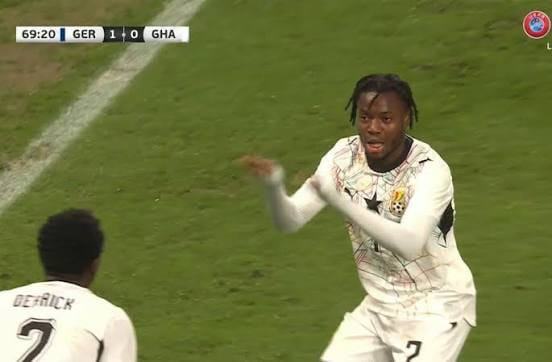
At the centre of that cultural wave is Ghana’s Kakalika. Inspired by the hit song of the same name by Ghanaian music duo DopeNation, the dance has become the Black Stars’ signature celebration during their impressive World Cup campaign. It has appeared after goals, in training sessions, inside the dressing room and at the team hotel, turning into a symbol of unity, confidence and national expression.
For Ghanaian fans, Kakalika is no longer just a dance. It has become the soundtrack of a World Cup journey that has captured the imagination of a country always emotionally invested in the Black Stars.
Every tournament produces a football story. Ghana’s story in 2026 is being told not only through results, but also through movement, music and joy.
The dance has given supporters something to hold on to beyond the scoreline. It has allowed fans in Ghana and across the diaspora to feel part of the team’s mood, energy and belief. In homes, bars, viewing centres and fan zones, Kakalika has become an extension of the Black Stars’ identity.
That is why its appeal has spread so quickly. It is simple, expressive and unmistakably Ghanaian. It carries humour, rhythm and swagger, but also something deeper: the feeling of a team enjoying itself while carrying the hopes of a nation.
The celebration has also brought different generations of Ghanaian football together. Former Black Stars captain and record goalscorer Asamoah Gyan has joined the squad’s musical moments at the team hotel, encouraging the players to embrace their heritage while pursuing World Cup glory.
That intergenerational connection matters. It links the present squad to Ghana’s football past, reminding players and fans that national teams are not built only around matchday selections. They are built around memory, culture, continuity and the emotional bond between one generation and the next.
As Ghana prepares for a high-stakes Round of 32 clash against Colombia, Kakalika has become more than a passing social media trend. It has become part of the national team’s tournament language.
For the players, it appears to be a release from pressure. For fans, it is a sign of confidence. For the world, it is another reminder that African football arrives at major tournaments not only with talent, but with culture.
Ghana is not alone.
DR Congo has also introduced the world to a powerful celebration of its own through the Fimbu dance, which exploded onto the tournament stage after Yoane Wissa scored the country’s historic first-ever FIFA World Cup goal in a 1-1 draw against Portugal.
After scoring, Wissa ran towards the substitutes’ bench, where teammates and coaches joined him in performing the traditional dance. The moment quickly became one of the most memorable celebrations of the tournament because it carried more than the joy of a goal. It carried the pride of a nation marking history on the world’s biggest football stage.
Fimbu, which means “the whip” in Lingala, has deep cultural resonance in DR Congo. It gained wider national prominence through musician Félix Wazekwa’s famous song Leopards Fimbu na Fimbu, which became associated with DR Congo’s victorious 2016 African Nations Championship campaign.
At the World Cup, the dance has crossed borders again. Swedish football legend Zlatan Ibrahimović performed it live on television alongside fellow pundits Thierry Henry and Alexi Lalas, showing how quickly football celebrations can travel from a national dressing room into global popular culture.
That is the power of the World Cup. A dance that begins as a local expression can become a global reference within hours.
Brazil, of course, has long understood this better than most.
For the Seleção, football and dance have always existed in close conversation. Samba is not an accessory to Brazilian football; it is part of its identity. At this World Cup, Vinícius Júnior has once again brought that tradition into focus, celebrating goals with joyful dance moves that reflect the expressive freedom associated with Brazilian football.
The criticism that sometimes follows such celebrations says more about football’s cultural tensions than about the players themselves. Some observers still appear uncomfortable when footballers use dance as a form of self-expression, especially when that expression comes from Black or Latin American football cultures.
But Brazilian actor Wagner Moura captured the spirit of the matter simply when he defended the right of players to celebrate freely.
“Dance… dance,” he said.
That should not be controversial. Football without celebration would be poorer. Goals are not only technical outcomes; they are emotional explosions. Players have every right to mark them through the cultures that shaped them.
Canada has also embraced the festive spirit of the tournament.
After defeating South Africa to reach the knockout stage for the first time in their history, Canadian players celebrated wildly inside the dressing room, singing and dancing to the French-language anthem Charger, which has become closely associated with the national team.
For Canada, the celebration reflected a different kind of football identity: a country still expanding its place in the global game, using music and collective joy to mark a breakthrough moment.
Cape Verde, one of the tournament’s surprise packages, has also celebrated its historic World Cup debut with music and dance. Every milestone has been met with scenes of joy, reflecting the pride of a small island nation making its presence felt on football’s biggest stage.
The Cape Verdean celebrations have carried a special emotional weight because they speak to the dream of nations often underestimated in global football. Qualification alone was historic. Competing with confidence has been even more powerful. Celebrating with music has turned that achievement into something the world can feel.
Together, these moments show how the 2026 World Cup is being shaped not only by football systems, formations and star players, but by culture.
This has been especially true for African football. With a record number of African nations qualifying for the expanded tournament and several progressing beyond the group stage, the continent has used the World Cup not only to compete, but to express itself.
Africa’s football story has too often been told through narrow frames: physicality, potential, inconsistency, surprise, passion. This tournament is forcing a richer reading. African teams are organised, ambitious, technically capable and increasingly confident. But they are also cultural carriers, bringing language, music, dance, history and national memory into global view.
Ghana’s Kakalika and DR Congo’s Fimbu are not distractions from football seriousness. They are part of the football story itself.
They show teams comfortable enough in their identity to play and celebrate as themselves. They show that football excellence and cultural expression are not opposites. They show that the modern game is strongest when it allows nations to bring their full selves to the field.
For global brands, broadcasters and tournament organisers, this matters. The World Cup is not sustained by goals alone. It is sustained by moments that travel. A dance can travel faster than a match report. A celebration can reach people who did not watch the full game. A viral clip can introduce millions to a song, a language, a country or a culture.
That is why Kakalika’s rise is significant for Ghana beyond football. It gives Ghanaian music another global entry point. It places DopeNation’s sound in the middle of a worldwide football conversation. It gives Ghanaian fans abroad a cultural marker to rally around. It turns the Black Stars into ambassadors not only of football, but of Ghana’s creative economy.
The same applies to DR Congo and Fimbu. The dance tells a story that begins at home but now belongs to a global tournament memory.
In an age where football, music, fashion and social media increasingly overlap, celebrations can become soft power. They can shape how countries are seen. They can drive cultural curiosity. They can influence tourism, music streaming, merchandise, fan engagement and national branding.
Ghana should understand this opportunity. Kakalika should not be treated merely as a dressing-room joke or a goal celebration. It is now part of the Black Stars’ World Cup brand. The Ghana Football Association, tourism authorities, creative arts sector and corporate sponsors should recognise the commercial and cultural value in such moments.
Football tournaments create rare emotional unity. When that unity is tied to music and dance, it can become a powerful tool for national visibility.
But the most beautiful thing about these celebrations is that they still feel organic.
They do not look like marketing campaigns created in boardrooms. They look like players being themselves. That authenticity is why fans respond. People can tell when joy is forced. Kakalika works because it feels natural. Fimbu works because it carries pride. Samba endures because it belongs to Brazil’s football soul.
The lesson is clear: the best football cultures are not invented at tournaments. They are revealed there.
As the World Cup moves deeper into the knockout stages, pressure will rise. Matches will become tighter. Coaches will become more cautious. Players will carry heavier expectations. But the celebrations will remain part of what fans remember.
A tournament is measured by its champion, but remembered by its moments.
The 2026 World Cup has already given the world several of them: Ghanaian players dancing Kakalika with the confidence of a team enjoying its journey; DR Congo celebrating a historic goal with Fimbu; Brazil defending the right to dance; Canada turning a dressing room into a national party; Cape Verde marking history with rhythm and pride.
Different countries. Different songs. Different dances. One universal language.
Football has always been about more than winning. It is about belonging. It is about the way nations see themselves and present themselves to the world. It is about grief and joy, memory and ambition, discipline and freedom.
At this World Cup, the goals are deciding the matches. But the dances are defining the mood.
For Ghana, that mood is Kakalika.
And whether the Black Stars go all the way or not, the dance has already done something powerful. It has carried Ghanaian joy onto the global stage and reminded the world that football’s beauty is not only in the ball crossing the line.
Sometimes, it is in what happens immediately after.

