
- IMF warns fresh shock could slow sub-Saharan Africa just as recovery was taking hold
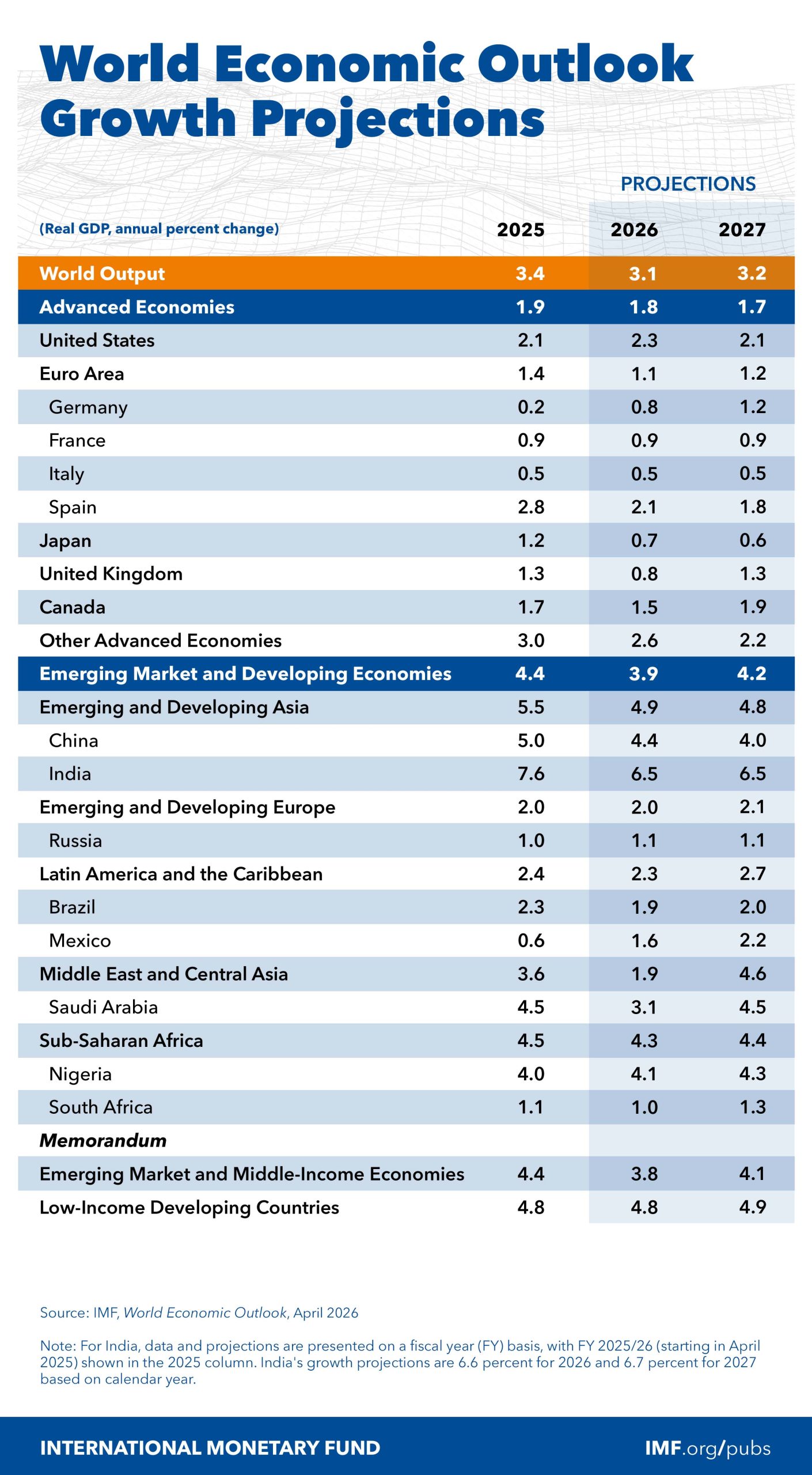
Sub-Saharan Africa is entering a more fragile phase of its recovery, with the International Monetary Fund warning that a new external shock is beginning to erode the gains many economies had started to rebuild after a stronger-than-expected 2025.
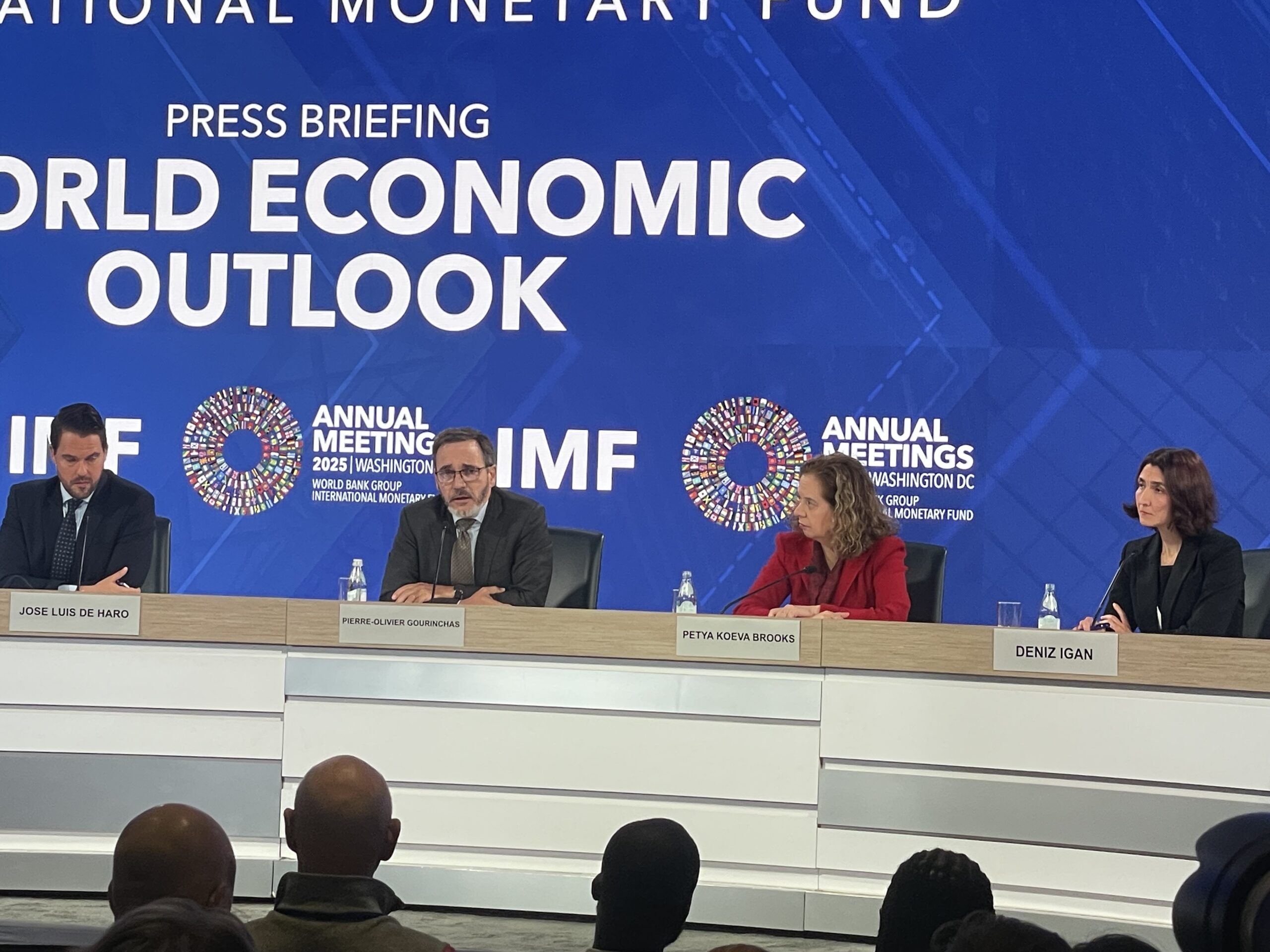
Speaking at the 2026 Spring Meetings during the launch of the World Economic Outlook, Pierre-Olivier Gourinchas, director of the IMF’s Research Department, said the region is already seeing “some downgrade of growth” and “some uptick in inflation in a number of countries”, as the fallout from the war in the Middle East ripples through energy markets, trade costs and broader financial conditions.
For Ghanaian readers, the message is immediately relevant. In a region where many economies remain highly exposed to imported fuel, fertiliser and external financing conditions, the IMF’s latest assessment suggests that the macroeconomic relief of recent quarters may prove less secure than hoped.
The Fund’s more detailed explanation came from Deniz Igan, Division Chief, Research Department, IMF, who said the region had been on firmer footing before the latest global disruption. “Actually, 2025 was a relatively strong year,” she said, noting that resilient global growth, supportive external financial conditions and stronger non-oil commodity prices had helped many countries across sub-Saharan Africa.
But that backdrop has changed. “Now, with the war, we have reduced global growth and softened prices for non-oil commodities and also worsened terms of trade for oil importers,” Igan said, stressing that the impact would vary across the region, with a clear divergence between energy importers and exporters.
That distinction matters for countries such as Ghana. While higher commodity prices can cushion some exporters, the hit from costlier imported fuel, higher fertiliser prices and tighter global financing conditions can still feed directly into inflation, fiscal pressure and external vulnerability.
The IMF’s assessment suggests the region’s challenge is not simply slower growth, but a more uncomfortable policy mix: weaker activity at the same time as renewed inflation pressure.
Igan said the Fund had marked down growth in sub-Saharan Africa by “0.4 percentage points cumulatively for ’26 and ’27”, while “median inflation in sub-Saharan Africa is projected to go up, from 3.4 percent in 2025 to 5 percent in 2026.” She said that rise was “solely reflecting high oil and fertilizer prices, fuel shortages, potentially, and rising borrowing costs.”
For African economies, that is a particularly toxic combination. Fuel prices feed transport and utility costs. Fertiliser costs threaten agricultural output and food prices. And rising borrowing costs tighten the room for governments already managing debt pressures and social spending needs.
Igan drew particular attention to food-related vulnerability, warning that “fertilizer prices, in particular, are a concern for the region because of its dependence on agricultural products, as well, and the existing level of food insecurity.”
That warning should resonate strongly in Ghana, where food inflation, import costs and cedi-linked pass-through effects remain central to the economic outlook. Even where headline inflation has moderated, renewed pressure from fuel and food inputs could complicate the disinflation path and test both monetary and fiscal discipline.
The IMF also pointed to another growing source of strain: foreign aid. According to Igan, the region is facing “significant challenges from headwinds from declining foreign aid”, adding that “the bilateral aid cuts range from 16 to 28 percent in 2025, and we project that trend to continue.”
That may not grab headlines as quickly as oil prices, but it is a serious structural risk. For lower-income and vulnerable economies, declining aid flows can deepen financing gaps, weaken social protection efforts and increase pressure on already stretched public balance sheets.
For investors and policymakers alike, the broader implication is clear: sub-Saharan Africa’s outlook is becoming more uneven and more externally exposed, just as many countries were beginning to restore a measure of macroeconomic stability.
Gourinchas, in his brief overview, captured that broad vulnerability, noting that the impact would differ across the region because “a lot of the countries, especially the ones that are energy importers,” are more exposed, even though “there are also energy exporters in the region.”
For Ghana, that distinction is important. The country is not insulated simply because it produces oil. What matters is how global energy shocks pass through domestic fuel pricing, power costs, inflation expectations, fiscal balances and exchange-rate dynamics. In practice, the IMF’s warning suggests that policymakers across the region will need to remain cautious, flexible and highly responsive to imported shocks.
The Fund’s latest message is therefore less about panic than about realism. Sub-Saharan Africa is not in collapse. But the recovery story has clearly become more fragile. What looked, just months ago, like a region stabilising after years of inflation, debt strain and global turbulence is now once again being forced to adjust to a harsher external environment.
For Ghanaian readers, the takeaway is straightforward: the next phase of Africa’s economic story may not be driven by domestic reform alone, but by how well governments manage a new wave of imported inflation, slower external demand and reduced financing support from abroad.