
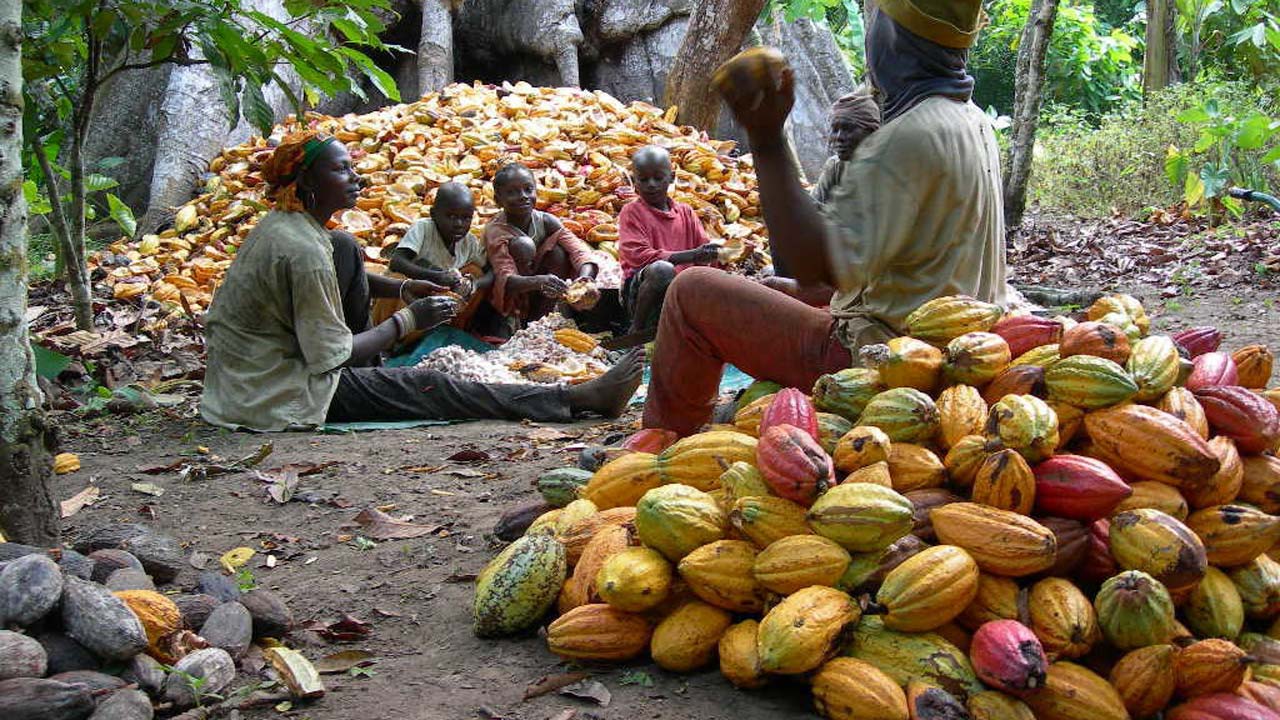

- Ivory Coast Moves to Calm Cocoa Farmer Protests Over Unpaid Beans
Ivory Coast’s Coffee and Cocoa Council is preparing to send officials to the country’s centre-eastern cocoa belt to calm rising tensions among farmers protesting over unpaid and unsold cocoa stocks, in a dispute that risks undermining confidence ahead of the next harvest season.
The move follows protests last week in M’Batto, where police reportedly used tear gas on farmers who had blocked roads while demanding payment for cocoa beans they say remain unsold or unpaid for despite government intervention. Ivory Coast is the world’s largest cocoa producer and developments in its domestic market carry significant implications for global cocoa supply and prices.
According to Reuters, farmers and cooperatives say they have not been paid for beans sold during the main crop season, fuelling frustration and raising concerns that delayed payments could discourage farm maintenance and affect the next harvest. The main crop runs from October to March.
The dispute stems from a build-up of unsold cocoa stocks between November and December after global prices fell sharply below local prices set by the Coffee and Cocoa Council. The Ivorian government later introduced a programme to collect the unsold beans, but several farmers and cooperatives say payments have still not been made.
The payment delays are placing farmers under growing financial pressure. In the centre-western region of Daloa, the head of a cooperative representing more than 300 farmers said the group was still holding about 150 metric tonnes of unsold beans from the main crop. He warned that the delays had left farmers demoralised and had created distrust between growers and cooperatives.
“This situation will affect the next harvest because growers were counting on a lot of money to maintain their plantations,” farmer and cooperative manager Albert Konan told Reuters. (Reuters)
The risk for Ivory Coast is that a payment crisis at farm level could weaken production incentives at a time when the cocoa market remains highly sensitive to supply disruptions from West Africa. Farmers depend on timely payments to pay labourers, buy inputs, maintain farms and prepare for the next crop cycle. Delays can therefore transmit quickly from household distress into lower productivity and weaker future output.
Some farmers have already accepted steep discounts to avoid further losses. In the western regions of Soubre and Duekoue, several growers told Reuters they had sold main-crop cocoa at the lower mid-crop price of 1,300 CFA francs per kilogram after being unable to obtain the main-crop price of 2,800 CFA francs per kilogram. One farmer near Duekoue said his beans were deteriorating and he had no option but to sell at the lower price.
A European-based cocoa trader told Reuters the situation was not yet affecting supply or prices because it remained localised, but warned that it could become a risk for next season if farmers decide to hold back cocoa or reduce farm investment.
The Ivorian Platform for Sustainable Cocoa, which advocates reforms in cocoa governance, said it was aware that some farmers still hold unsold main-crop stocks, although it could not provide an estimate of the volumes involved. Pauline Zei, manager of the platform, said while government had made efforts to reduce unsold inventories, some cocoa had been purchased without farmers receiving payment.
For Ivory Coast, the unrest exposes the tension between administered farmgate pricing and volatile global commodity markets. While fixed prices are intended to protect farmers from market swings, they can create pressure when international prices move sharply below domestic levels, leaving stocks difficult to place unless the state or regulator absorbs the gap.
The episode also carries wider lessons for West Africa’s cocoa economies, including Ghana, where producer price setting, farmer welfare, smuggling risks and supply-chain confidence remain central policy questions. If growers do not receive timely payment, the credibility of the cocoa pricing system weakens, and farmers may shift behaviour in ways that affect both output and formal market channels.
Ivory Coast’s immediate challenge is to restore trust. Sending officials to meet farmers may calm tensions in M’Batto and other affected areas, but the deeper test will be whether outstanding payments are settled quickly enough to prevent the dispute from spilling into the next main crop. In a market already alert to West African weather patterns, disease pressure and production uncertainty, unpaid cocoa farmers may become the next supply-side risk investors and buyers cannot ignore.

