

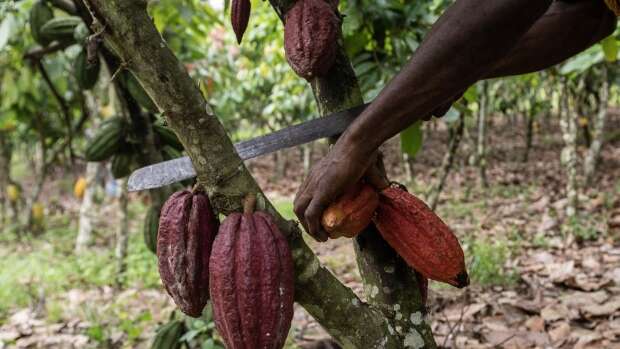

- Ivory Coast Projects First Cocoa Production Rebound in Three Seasons
Ivory Coast expects cocoa production to rise by 10.5 per cent in the 2025/26 season, signalling a potential recovery in output from the world’s largest cocoa producer after two difficult seasons marked by adverse weather, ageing farms and the spread of cocoa swollen shoot disease.
The Coffee and Cocoa Council, the country’s cocoa regulator, expects production to reach between 2 million and 2.1 million metric tonnes in the season ending in September, according to its Director, Yves Brahima Kone.
That would mark the first increase in Ivorian cocoa output in three seasons, after production declined sharply due to poor weather conditions, ageing plantations and disease pressure across the cocoa belt.
The projection is also stronger than earlier market expectations. A Reuters poll of traders and analysts in March had forecast Ivory Coast’s 2025/26 cocoa crop at around 1.8 million tonnes, suggesting that recent arrivals data may be shifting supply expectations in the global cocoa market.
Mr Kone said high cocoa prices over the past two seasons had given farmers more room to invest in fertiliser and improve farm management practices, helping to support output.
“We currently stand at just over 1.7 million tons as of May 11, in terms of cocoa arrivals at the two ports,” he said. “This is a positive trend when compared to the last two seasons.”
The expected rebound comes at a sensitive moment for the global cocoa industry, which has been hit by supply tightness, volatile prices and growing concern over the long-term viability of West African cocoa production.
Ivory Coast and Ghana together account for the majority of global cocoa supply, making production trends in both countries critical to global prices, chocolate manufacturers’ procurement costs and broader concerns around supply security.
A stronger Ivorian crop could ease some pressure in the international market, particularly after years of tight supply that helped push cocoa prices to record levels. However, the outlook for the next season remains uncertain.
Mr Kone warned that survey teams returning from cocoa-growing areas had reported pod survival rates slightly below the same period last year, raising concerns about the end of the current season and the start of the next main crop.
“We have concerns about the end of this season, but above all about the start of the next main season. The counts do not show a situation similar to or better than last year’s,” he said.
Pod counters and farmers also reported fewer pods and flowers in some cocoa fields after drought caused damage, suggesting that weather conditions could still affect future supply.
For Ghana, the Ivorian projection carries important implications. A recovery in Ivory Coast could influence global cocoa price expectations, but it also reinforces the urgency of Ghana’s own cocoa reform agenda as both countries seek to improve productivity, fight disease, and secure better returns for farmers.
Ghana is preparing to host the 2027 World Cocoa Foundation Partnership Meeting in Accra, where policymakers are expected to press global chocolate companies and traders to invest more directly in African farms and support long-term supply resilience.
The bigger issue for West Africa’s cocoa economy remains unresolved. High prices may help farmers invest in the short term, but long-term supply stability will depend on sustained financing for farms, stronger disease control, climate adaptation, farmer income protection and greater value retention at origin.

