

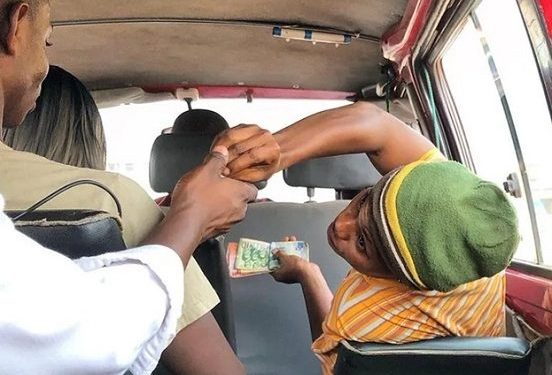

President John Dramani Mahama has appealed to transport operators to hold off on increasing fares, as government moves to cushion the impact of rising fuel prices driven by global tensions between Iran and Israel.
Speaking at the Kwahu Business Forum, the President acknowledged the pressure on commercial drivers following the sharp jump in petroleum prices, but urged continued cooperation to prevent further hardship for commuters.
The recent escalation in the Middle East has pushed crude oil prices from about $68 per barrel to nearly $120, triggering increases at the pump in Ghana.
Petrol prices, which previously hovered around GH₵10–11 per litre, are now selling at about GH₵13, while diesel has climbed to between GH₵15 and GH₵16 per litre – placing significant strain on transport operators.
With fuel accounting for a major portion of operating costs, the increases typically translate quickly into calls for higher fares.
President Mahama revealed that an emergency cabinet meeting has been convened to consider interventions aimed at stabilising fuel prices and, by extension, keeping transport fares in check.
“I’ve called for an emergency cabinet meeting to decide some measures we can take to cushion the petroleum price,” he said.
He indicated that government is exploring adjustments in fuel levies and pricing margins to ease the burden on consumers and transport operators.
“There are some tweaking we can do… to maintain a stable price while we pray that the war comes to an end,” he added.
The President commended transport unions for their restraint so far, noting that they have resisted increasing fares despite rising operational costs.
“I want to express my sincere gratitude to the transport unions for being very patient with us. I’m sure that they will continue to hold on with any fare increases while we all see how we can make things better,” he indicated.
Transport fares are a key driver of inflation in Ghana, influencing the cost of goods and services nationwide. Any upward adjustment often triggers a ripple effect across the economy.
By holding fares steady, government hopes to shield commuters – especially low-income earners – from additional financial pressure at a time when the cost of living is already rising.
The President assured that despite the external shock, Ghana’s economy remains resilient.
“I can confidently tell you that the economy is not going to crash because of the war,” he stated.
While local measures are being considered, the trajectory of fuel prices will largely depend on how quickly tensions between Iran and Israel ease.
Until then, government is banking on collaboration with transport operators to maintain fare stability and prevent further strain on households.

