


Gov’t Outlines 6-Region Tropical Beverages Industrialisation Plan to Drive Job Creation, Exports and Import Substitution
Ghana is positioning itself to become Africa’s leading hub for tropical beverages and functional wellness drinks under a new six–region industrialisation strategy expected to generate more than US$900 million annually in output by 2029.
The 6-Region Tropical Beverages & Functional Drinks Industrialization Plan (2025–2030) seeks to leverage the country’s rich agro-ecological diversity to build globally competitive processing hubs for natural fruit juices, coconut water, RTD teas, herbal infusions, fermented probiotic drinks and functional wellness beverages.
The initiative, anchored on the production models of Ekumfi Fruits & Juices and Central Citrus Ltd, proposes the establishment of six industrial hubs across major crop belts to convert pineapple, citrus, coconut, mango, passion fruit, hibiscus, ginger, moringa, baobab and other botanicals into high-margin export-ready products.
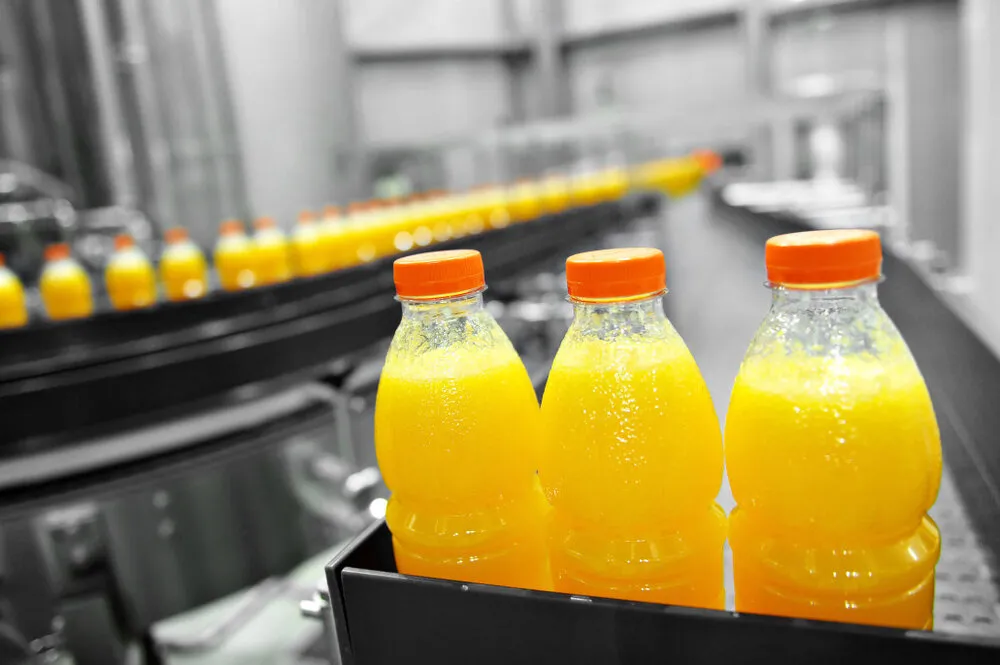
According to the framework, each regional hub will operate a processing capacity of 25 tonnes per hour, with UHT, tetra, PET and canning lines supported by functional beverage R&D units and 24-hour operations.
Economic Impact & Revenue Outlook
Government projections show that once fully operational, the hubs could deliver:
US$900m–US$1.2bn in annual industrial output by 2029
US$2.7bn–US$3.5bn cumulative revenue between 2025 and 2030
36,000–54,000 direct and indirect jobs across farming, processing, logistics, packaging and distribution
Significant foreign exchange savings through import substitution and expanded export earnings under AfCFTA, ECOWAS, EU, UK and Middle East markets
Ghana currently imports hundreds of millions of dollars worth of processed fruit juices and sugary drinks annually. The strategy estimates that the six hubs could replace 30–60% of these imports within three years.
Regional Breakdown & Product Focus
The hubs will be distributed according to crop concentration and regional agro-advantages:
Western Region: Coconut water and tropical hydration drinks
Volta Region: Citrus juices and ginger-based functional blends
Eastern Region: NFC pineapple juice, mango-passion blends and breakfast juices
Ashanti Region: RTD hibiscus teas, moringa drinks and herbal wellness beverages
Bono Region: Mango-fibre drinks, citrus blends and cashew apple functional beverages
Northern Regions: Baobab, hibiscus and tamarind probiotic and fermented wellness drinks
The model aims to reduce post-harvest losses—currently 15–30%—by localising processing capacity within raw material zones.
Implementation Roadmap (2025–2030)
The plan will be executed in four phases:
2025: Foundation Phase
Site selection, crop zoning, outgrower recruitment and engineering design.
2026–2027: Construction & Expansion
Building six industrial plants, establishing R&D labs and expanding crop farms by 5,000–15,000 acres per region.
2027–2029: Scale-Up Phase
Operational expansion from one shift to three shifts, deployment of value-added lines and launch of regional export channels.
2030: Consolidation
Securing global certifications and positioning Ghana as a continental powerhouse in natural and functional beverage exports.
Policy Support Measures
To drive competitiveness, the plan proposes:
Zero-duty on processing equipment
A single-window export certification system
Youth outgrower financing with biological asset insurance
Dedicated incentives under the 24-Hour Economy
An AfCFTA export fast-track desk
Tax incentives for agro-processing zones
Strategic Importance
The framework identifies the global natural and functional beverages market as a US$300 billion opportunity by 2030, driven by demand for no-sugar-added juices, immunity-boosting products, gut-health beverages, herbal infusions and high-fibre tropical drinks.
Analysts note that Ghana’s tropical crop diversity gives it a strong comparative advantage within AfCFTA and emerging Middle Eastern markets seeking authentic, natural beverage products.
Government believes the initiative will support export diversification, enhance FX stability, accelerate youth employment and strengthen Ghana’s industrial base.
If successfully executed, officials say the programme will establish Ghana as Africa’s leading producer of natural tropical and functional beverages, while reinforcing the country’s broader shift toward a value-added, 24-hour industrial economy.

