

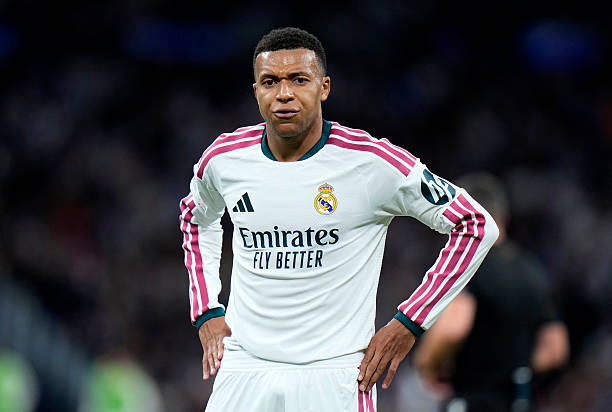

- Kylian Mbappé Apologises After China Controversy Costs Him Two Sponsorship Deals
Real Madrid forward Kylian Mbappé has apologised to the people of China after a video in which he appeared to joke about Mao Zedong triggered widespread criticism and cost him two commercial partnerships.
Chinese energy-drink producer Dongpeng and dairy group Mengniu have ended their sponsorship arrangements with the France international following the online backlash.
The financial terms of the terminated agreements were not disclosed, but the decisions demonstrate the commercial risks facing globally recognised athletes whose endorsements depend heavily on reputation and cultural sensitivity.
In a statement responding to the controversy, Mbappé acknowledged that his comments were inappropriate and had caused offence in China and among Chinese communities in other countries.
“My comment was ill-judged, and I now understand that it hurt many people in China and in Chinese communities around the world,” he said.
“I apologise to everyone my words have upset. This was absolutely not my intention.”
The 27-year-old also reaffirmed his respect for China’s history and people as he attempted to contain the reputational damage caused by the video.
“I have deep respect for the Chinese people and their history, and I am sincerely sorry,” Mbappé added.
The apology came after the video circulated online and attracted criticism over what was interpreted as disrespect towards Mao, the founder of the People’s Republic of China.
For Dongpeng and Mengniu, continuing their association with Mbappé amid the criticism risked affecting their standing with Chinese consumers. Ending the partnerships allowed the companies to distance their brands from the controversy.
The decisions illustrate how rapidly sponsorship relationships can change when an athlete’s public conduct conflicts with the values or expectations of a company’s target market.
Elite footballers are no longer judged exclusively by their performances on the pitch. Their public comments, social-media activity and conduct away from football form part of the commercial value that sponsors purchase.
Mbappé is among the most recognisable athletes in world football, with his appeal extending beyond Real Madrid and the French national team. His profile gives brands access to millions of supporters, but that visibility also magnifies mistakes.
A comment made during an informal interview can quickly move across languages and markets, acquiring political, historical and commercial significance far beyond its original setting.
The controversy is particularly sensitive because international brands and athletes view China as an important sports and consumer market. Football enjoys a large following in the country, while Chinese companies increasingly use high-profile athletes to reach both domestic and international audiences.
Sponsorship agreements are therefore built not only around sporting performance but also around an athlete’s ability to represent a company without creating avoidable reputational risks.
The termination of two agreements indicates that Mbappé’s apology came after commercial consequences had already materialised. Whether it will be sufficient to restore his standing among Chinese supporters and attract new partnerships will depend partly on how the apology is received.
His wording accepted responsibility and avoided presenting the reaction as a misunderstanding caused solely by others. By describing the comment as “ill-judged”, he recognised that the problem arose from his own conduct rather than simply from the way the video was interpreted.
That approach is important in reputation management. An apology is more likely to be accepted when it acknowledges harm, accepts responsibility and avoids excuses.
However, the timing also matters. Apologies issued only after sponsors withdraw can be viewed as attempts to limit financial damage rather than expressions of genuine regret.
Mbappé and his management team will consequently need to demonstrate that the statement represents more than an immediate commercial response. Engagement with supporters, cultural-awareness measures and careful communication may be necessary to rebuild confidence.
The episode also serves as a warning to clubs, agents and athletes about the need for stronger media preparation. Players operating as global brands require an understanding of the historical and political sensitivities of markets in which they have commercial relationships.
Athletes should still be able to express themselves freely, but global reach brings additional responsibility. Humour that appears harmless in one setting may be interpreted differently elsewhere, particularly when it concerns a country’s political history or national identity.
Real Madrid have not been reported as a party to the terminated sponsorships, and the controversy concerns Mbappé’s personal commercial relationships. Nevertheless, reputational issues involving leading players can also affect the clubs they represent.
For Mbappé, the immediate sporting priority remains performing for Real Madrid. Commercially, however, the loss of Dongpeng and Mengniu demonstrates that status and footballing excellence do not insulate even the game’s biggest stars from the consequences of public remarks.
His apology may begin the process of repairing the damage, but the episode has already delivered a clear lesson: in the global sports economy, a player’s words can carry a financial cost almost as quickly as they travel.

