

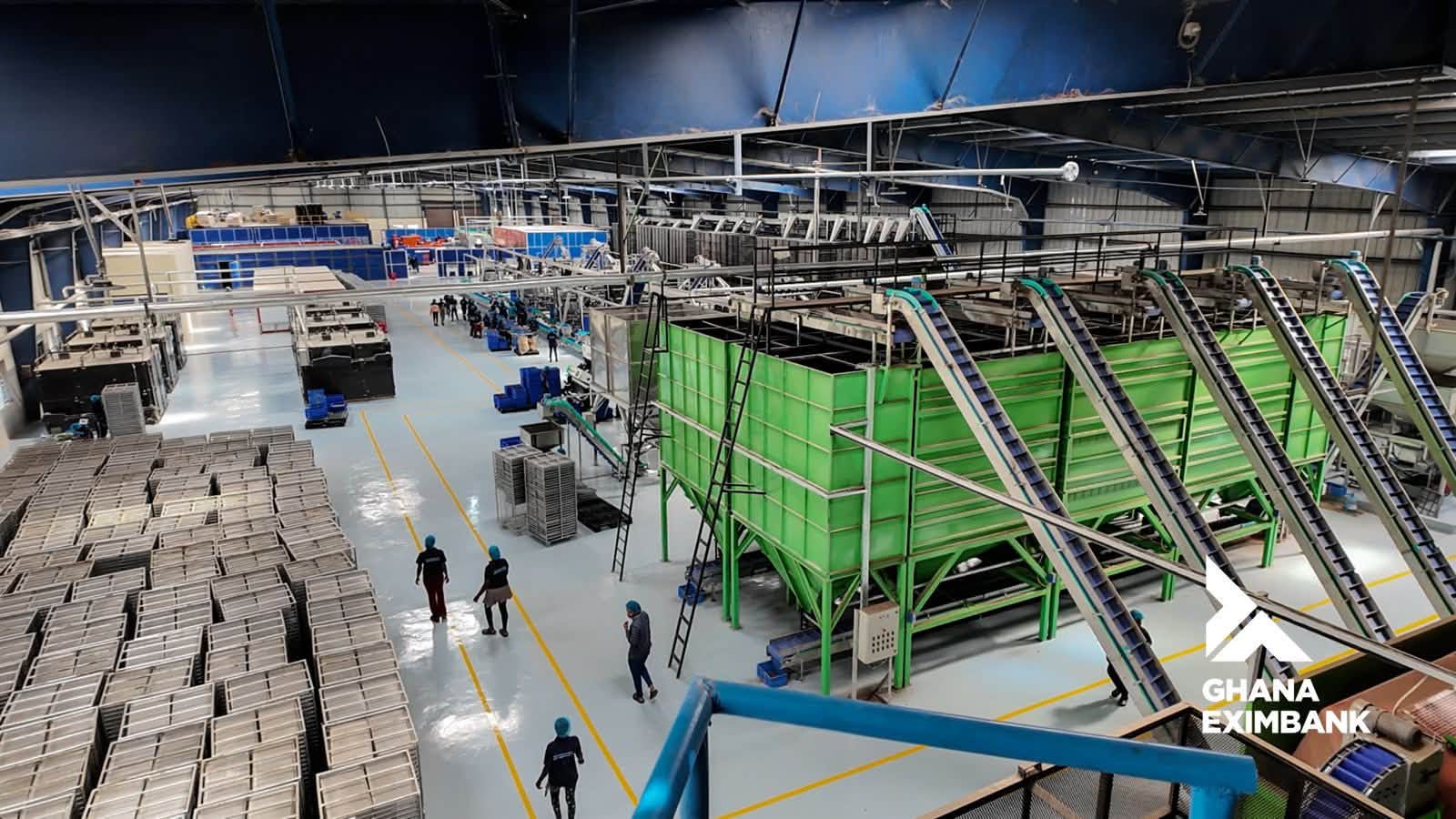

- Mahama to open 30,000-tonne cashew processing plant in Techiman Today
The commissioning of a 30,000-tonne cashew processing factory in Techiman is a visible bet on Ghana keeping more value from one of its agricultural commodities at home.
But the ceremony on Monday, November 16, will mark the start of the real test: whether the plant can secure enough cashew, operate consistently and turn its installed capacity into jobs, exports and dependable income for farmers.
President John Dramani Mahama is expected to commission the Nadkansco Cashew Processing Factory, funded by the Ghana Export-Import Bank. The facility is designed to process about 30,000 metric tonnes a year and is expected to operate around the clock.
Its stated purpose is to reduce reliance on raw cashew exports by processing the commodity locally before it reaches international markets.
That ambition is economically compelling. Processing can create activity beyond the farm gate, including factory employment and demand for services connected to production, transport and export.
It can also allow a country to capture more of the value generated between the harvest and the final product.
But capacity is not the same as output. A 30,000-tonne annual design figure says what the facility may be able to process under suitable conditions. It does not establish how much it will actually process, how regularly it will run, or whether it can sell its products at prices that sustain operations.
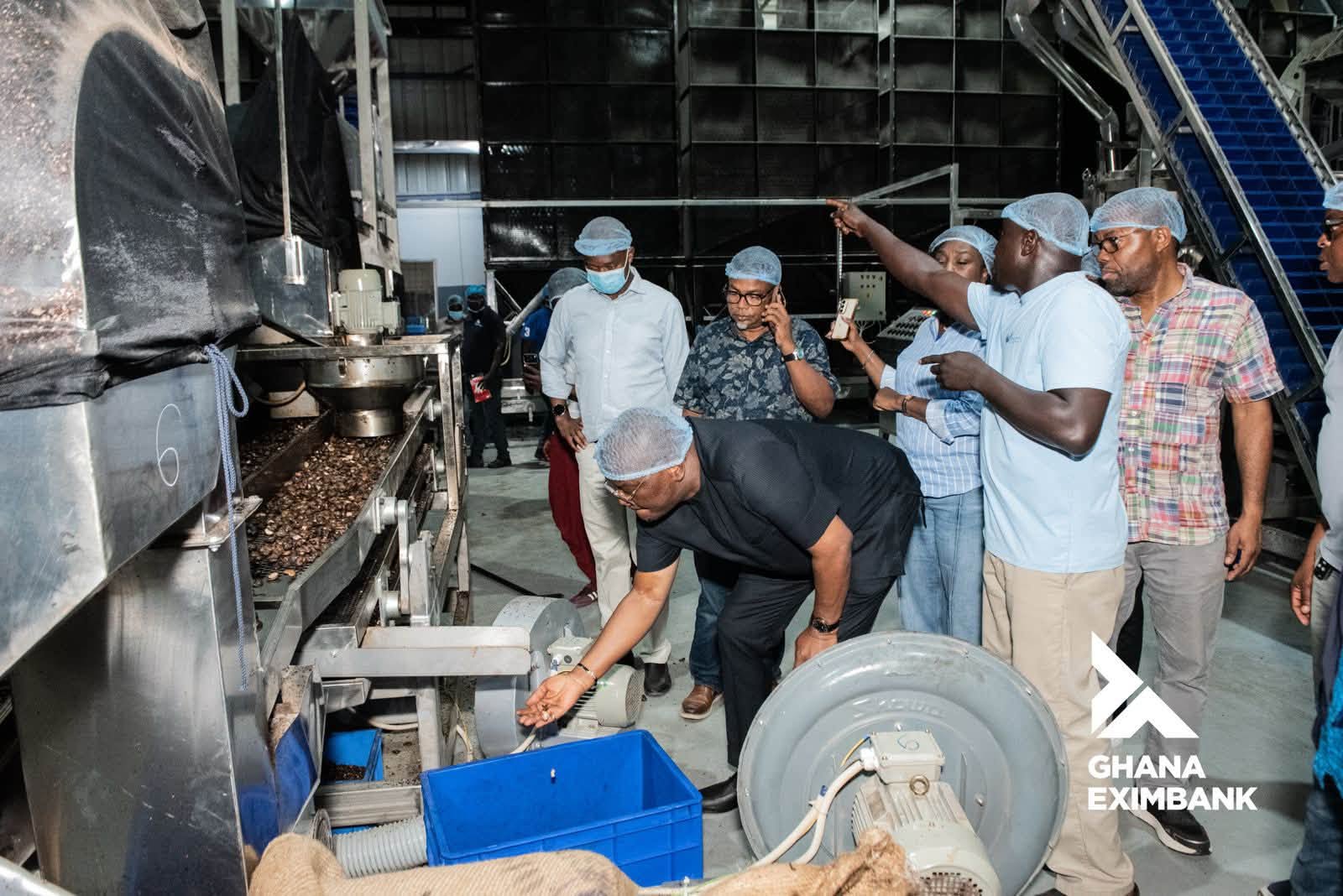
Those questions begin with supply. A plant operating 24 hours a day needs a reliable flow of raw cashew, delivered at the right quality and cost. That calls for coordination with growers, procurement arrangements that farmers can trust, and transport capable of moving produce to the factory when it is ready.
If supply is irregular, the machinery may stand idle. If the factory competes for cashew without clear purchasing arrangements, farmers may not know whether the plant will be a stable buyer.
The commissioning announcement does not specify how the company plans to secure its annual supply, whether it has agreements with farmer groups, or how its purchase prices will be determined.
These are not details for later. They are central to whether the factory can turn its stated capacity into an operating business.
The same discipline applies to demand. Processing locally does not guarantee export sales. The plant will need buyers for its processed cashew and a route to market that makes the additional processing commercially worthwhile.
The investment’s success will depend on the relationship between the cost of buying raw nuts, processing them and getting the finished product to customers.
The Ghana EXIM Bank’s role also raises a broader question about development finance: how should success be measured? Publicly supported investment can help build industrial capacity that private capital might not establish on its own.
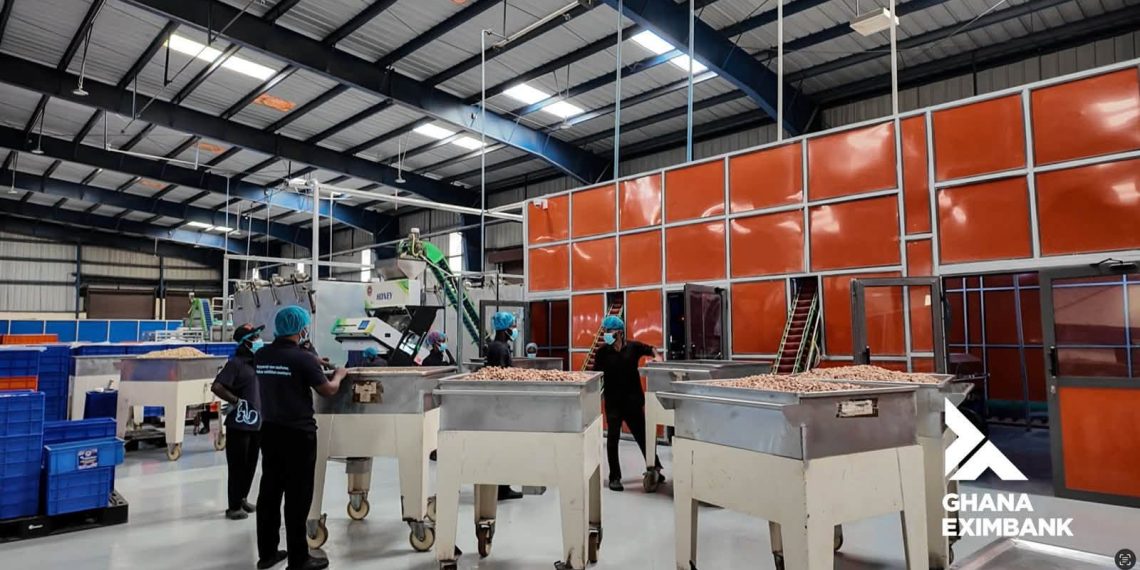
But the ultimate test is whether the factory produces lasting economic activity rather than simply reaching commissioning day.
That means tracking more than the plant’s nominal capacity. Useful measures would include actual annual throughput, the proportion of its raw material sourced from Ghanaian farmers, operating continuity, jobs sustained, payments to suppliers and export earnings.
The available announcement provides no employment estimate or production timetable. Publishing such benchmarks would help the public distinguish between the project’s promise and its performance.
The choice of Techiman gives the project a regional dimension. If the factory becomes a reliable buyer, it could strengthen connections between agricultural production and industrial activity in the area.
That could create a local economic anchor: one whose impact depends not only on activity inside the plant, but on how many farmers and businesses can supply it or provide services around it.
Yet a regional factory can also become an isolated asset if the supporting links are weak. Farmers need reliable access to buyers. The processor needs working capital and predictable supply. Exporters need the product to meet buyer requirements.
Public finance can help establish the facility, but the commercial relationships required to keep it running must endure beyond the launch.
The 24-hour operating plan underscores the scale of that challenge. Around-the-clock production requires dependable inputs, staff, utilities and logistics. If any part of that chain is unreliable or too costly, the plant may operate below capacity.
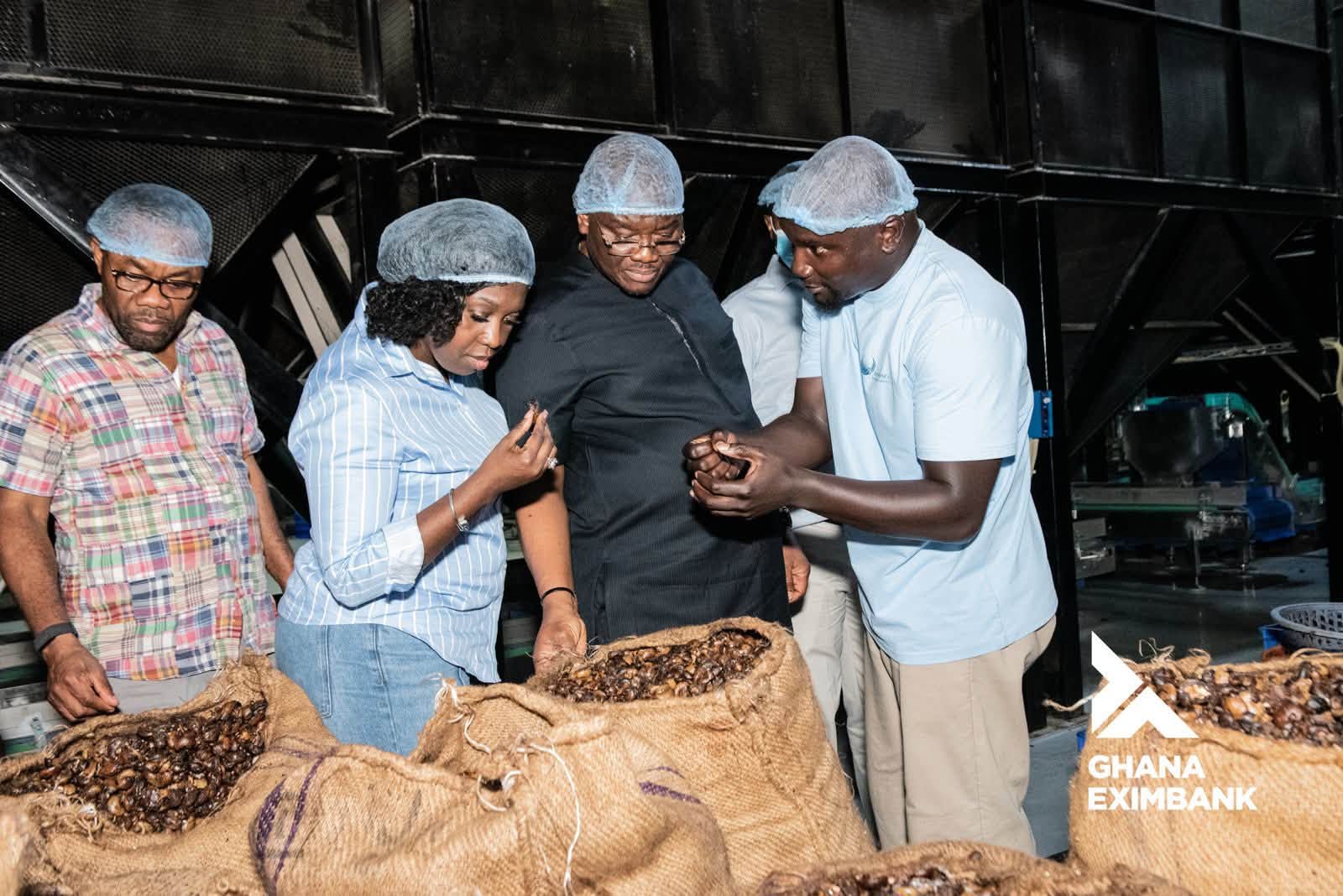
An ambitious operating schedule should therefore be judged against the systems that will support it, not simply the machinery installed.
There is also a policy question in the objective of reducing raw exports. Local processing can retain more value within Ghana, but the value is not created by processing alone.
It depends on whether the factory is productive, whether farmers receive a fair and dependable market, and whether the finished product can compete internationally. Industrialisation must work for the businesses that process the crop and the producers who supply it.
The pre-commissioning visit by Ghana EXIM Bank chief executive Sylvester Adinam Mensah was described as an inspection of the factory’s readiness for production. That is an important step.
But operational readiness is only the first milestone. The longer test will come in the months after commissioning, when the plant must demonstrate that it can secure raw material and sustain production.
For Techiman, the announcement creates expectations of jobs and stronger economic activity. For farmers, the critical question will be whether the factory becomes a dependable buyer. For the public, the issue is whether financing has built a viable industry that earns its place in Ghana’s export economy.
Monday’s ceremony can open that chapter. It cannot settle its outcome. Ghana’s cashew-processing bet will be judged by what happens after the factory gates open: how much it processes, how steadily it runs, what it pays into the local economy and whether it helps shift the country from shipping raw produce towards building competitive products at home.

