


- Manchester United Project £665 Million Revenue After Strong League Finish
Manchester United have projected improved financial results for the 2025-26 season, with a sharp upturn in performances on the pitch helping to soften the impact of another turbulent year at Old Trafford.
The club released its third-quarter earnings report on Wednesday, upgrading revenue and profitability expectations despite missing out on European football this season and absorbing significant costs linked to the January dismissal of former head coach Ruben Amorim.
United now expect full-year revenue to come in between £655 million and £665 million, up from an earlier forecast range of £640 million to £660 million.
Adjusted EBITDA, a key measure of operating profitability, has also been revised upward to between £200 million and £210 million.
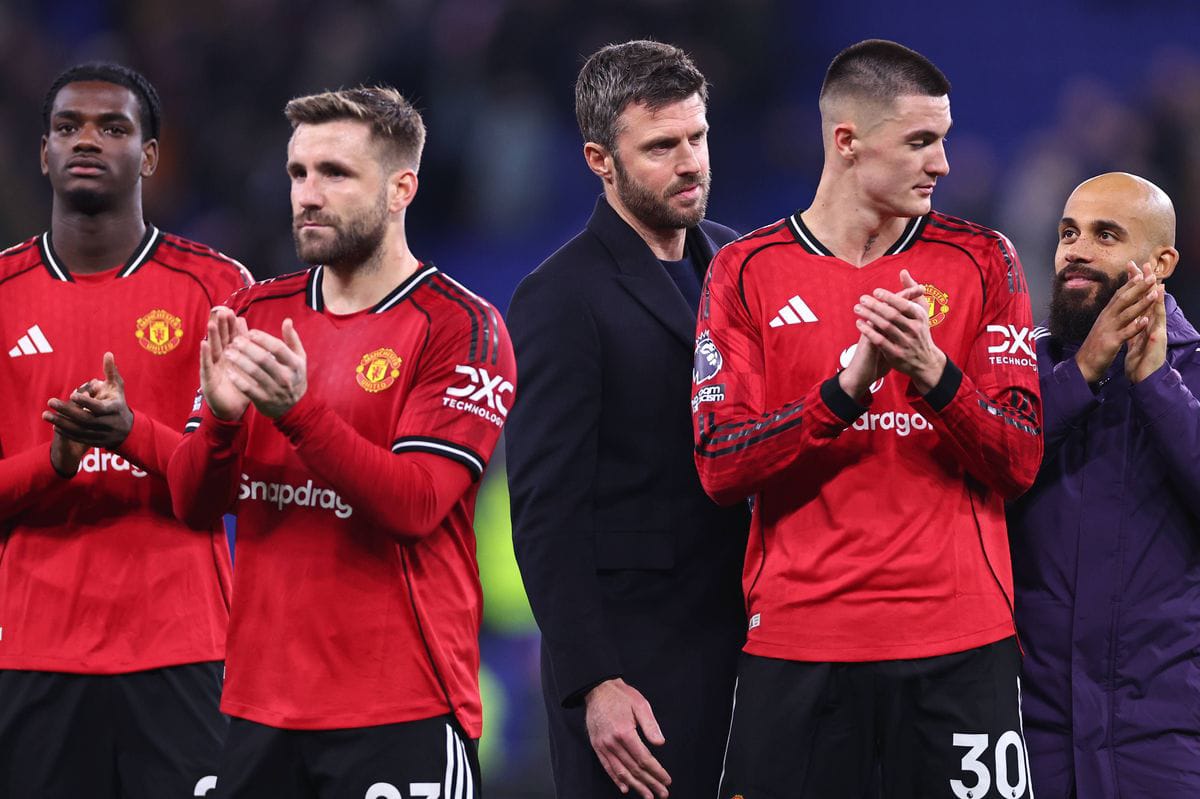
The improved outlook follows a strong resurgence under club legend Michael Carrick, who guided United to a third-place finish in the Premier League and secured a return to the UEFA Champions League.
That turnaround has already delivered material financial benefits. United’s domestic broadcast income rose by more than 17 per cent during the first nine months of the season to £157.1 million, despite the absence of European fixtures.
The club is projected to earn about £191.5 million in Premier League prize and broadcast money, the third-highest figure in the division and the largest year-on-year increase among clubs that were not newly promoted.
Perhaps the clearest sign of United’s commercial resilience is that revenue is expected to come close to last season’s club-record £666.5 million, even after losing about £31 million in income from the previous Europa League campaign.
Commercial revenue remained stable at £245.1 million, despite the expiry of the club’s training kit sponsorship agreement with Tezos and a £10 million reduction in the Adidas kit deal triggered by failure to qualify for the Champions League.
Stronger retail performance and growth in other sponsorship areas helped offset those losses. United are also reportedly close to securing a new training kit sponsorship deal with Betway ahead of next season.
Matchday revenue dipped only slightly, even though the club played eight fewer home matches compared with last season because of early exits from domestic cup competitions and the absence of European football.
Revenue per match rose sharply from £5.1 million to £7.4 million, placing United among the strongest matchday earners in European football.
Cost-cutting measures introduced since the arrival of Jim Ratcliffe also helped reduce spending. United’s wage bill fell to £219.5 million, its lowest level since the Covid-affected 2019-20 campaign.
But the improved operating picture does not remove the deeper financial pressures facing the club.
The dismissal of Amorim and members of his coaching staff cost nearly £22 million in exceptional charges. Debt costs also remain a heavy burden, with net interest payments reaching £55.7 million during the nine-month reporting period.
Much of United’s debt stems from the Glazer family’s controversial 2005 takeover, but the club has also increasingly relied on short-term borrowing facilities to support cash flow.
United repaid portions of their revolving credit facility earlier this year, but also borrowed an additional £60 million before the end of March. Total usage of the facility stood at £260 million, about £100 million higher than last season.
Transfer spending remains another strain. United’s amortisation costs on player transfer fees are running at a club-record pace, with the full-year figure expected to exceed £200 million. Only Chelsea have previously crossed that threshold in English football.
The club’s free cash flow also remains deeply negative, sitting around £160 million in the red despite improvements from last year. United have continued to rely on selling future transfer income to lenders in exchange for immediate cash.
Still, the return to the Champions League next season is expected to ease some of the pressure.
Participation in Europe’s elite competition could deliver more than £70 million in prize money alone, while European nights at Old Trafford will further strengthen matchday income and sponsorship value.
Potential departures of high earners such as Casemiro could also help rebalance the wage structure, while the reported £38 million transfer of Rasmus Højlund to Napoli may provide additional financial flexibility.
For years, Manchester United’s financial strength was undermined by poor performances on the pitch. The latest numbers suggest that sporting recovery is beginning to translate into stronger financial expectations.
Carrick’s revival has restored competitiveness, returned Champions League football to Old Trafford and given the club a stronger platform heading into next season.
But United’s recovery remains incomplete. Revenue is improving, profitability expectations are stronger and commercial resilience remains intact. Yet debt costs, transfer amortisation and negative cash flow continue to expose the financial consequences of years of expensive underperformance.

