

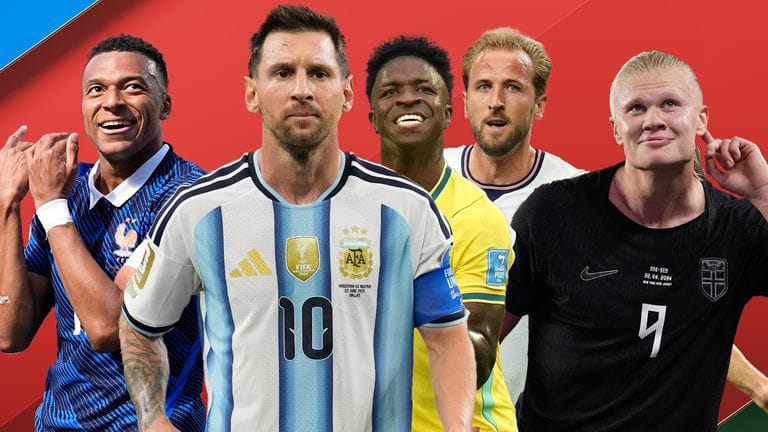

- Nike and Adidas battle for World Cup supremacy beyond the pitch
The 2026 FIFA World Cup may be producing goals, drama and national emotion on the field, but another contest of global consequence is unfolding far away from the referee’s whistle.
Nike and Adidas, the two most powerful sportswear brands in football, are once again locked in a commercial battle for visibility, influence and consumer loyalty around the world’s biggest sporting event.
For both companies, the World Cup is not merely a football tournament. It is a global advertising stage, a merchandise engine, a streetwear showcase, a social media battlefield and a rare moment when sport, culture, fashion, nationalism and entertainment all collide.
With billions of viewers following the tournament across television, streaming platforms and social media, the World Cup gives brands a level of reach that few events can match. Every goal celebration, every viral clip, every jersey in a fan zone and every boot worn by a superstar becomes part of a wider commercial contest.
The fight between Nike and Adidas is therefore about more than who sponsors the most teams or signs the biggest players. It is about who best understands modern football culture and can turn World Cup attention into long-term consumer power.
Both companies entered the tournament with major advertising campaigns designed to capture the emotion and unpredictability of football.
Nike’s campaign, titled “Rip the Script,” brings together some of the game’s most recognisable names, including Kylian Mbappé, Erling Haaland and Cristiano Ronaldo, alongside basketball icon LeBron James. The campaign leans into the idea that football’s greatest moments are rarely predictable and that the World Cup is defined by those who rewrite expectations.
Adidas responded with “Backyard Legends,” a campaign built around football’s roots: the neighbourhood pitch, the young dreamer, the street game and the imagination that turns ordinary spaces into stages of greatness. The campaign features Lionel Messi, Lamine Yamal, Jude Bellingham, Zinedine Zidane and an AI-generated version of David Beckham.
The contrast is deliberate. Nike is selling disruption, star power and spectacle. Adidas is selling nostalgia, heritage and football’s grassroots soul.
Although neither company has publicly disclosed the full cost of its campaign, industry reports suggest Adidas spent heavily on production, underlining the scale of the investment brands are prepared to make to dominate World Cup attention.
The reason is simple. In football, attention converts into sales. It drives jersey purchases, boot demand, app engagement, retail traffic, social media following and brand loyalty among younger consumers.
But the battleground has changed. There was a time when winning the World Cup advertising contest meant producing the most memorable television commercial. Today, that is only the starting point.
Modern sports marketing is now measured across YouTube views, TikTok edits, Instagram reels, X conversations, influencer reactions, fan remixes and short-form clips that travel faster than traditional adverts ever could.
Nike appears to have taken an early lead in the digital race, with its World Cup advertisement attracting tens of millions of views online and outperforming Adidas in terms of audience reach. The company’s strategy reflects a wider shift in global marketing: campaigns are no longer released simply to be watched. They are designed to be shared, copied, edited, joked about and turned into fan content.
This is especially important for Gen Z and younger football audiences, who may encounter World Cup campaigns first through a social media clip rather than a television broadcast.
Adidas, however, is competing on a different kind of emotional territory. Its campaign taps into football’s cultural memory and the idea that the game belongs first to the streets, backyards and community pitches before it becomes a professional spectacle.
That message gives Adidas an authenticity advantage in a sport where heritage still matters. The brand’s long association with the World Cup, classic football boots and iconic national team shirts allows it to speak credibly to both older fans and younger audiences discovering football through fashion and digital culture.
The rivalry has also moved into physical spaces. In host cities, particularly New York, Adidas has established a strong retail and experiential presence through branded stores, fan zones, tournament-themed displays and exclusive merchandise. Its flagship outlets have been transformed into World Cup destinations, blending football retail with cultural experience.
Nike has maintained its own visibility, but observers say Adidas has been more aggressive in turning host-city streets into football spaces. That matters because the World Cup is no longer consumed only in stadiums and homes. It is consumed in bars, pop-up shops, parks, malls, fan festivals and city centres where brands compete for atmosphere.
Adidas has also benefited from the growing fusion between football apparel and streetwear. National team jerseys are no longer worn only on matchdays. They have become fashion items, cultural signals and lifestyle products.
Shirts worn by teams such as Japan and Curaçao have attracted attention beyond core football fans, showing how tournament apparel can cross into fashion markets. A jersey that becomes popular on the street may continue selling long after a team exits the tournament.
This is one of the reasons the Nike-Adidas battle is so valuable. Football merchandise is now part of youth identity. It sits alongside music, sneakers, gaming, social media culture and urban fashion. For brands, the goal is not only to sell a shirt to a fan. It is to make the shirt desirable to people who may not watch every minute of the match.
Player endorsements remain another decisive weapon. Adidas has Lionel Messi, Jude Bellingham, Lamine Yamal and Raphinha among its global football ambassadors, giving it a powerful blend of legacy, current influence and future promise.
Nike counters with Cristiano Ronaldo, Kylian Mbappé, Vinícius Júnior, Marcus Rashford and Virgil van Dijk, a portfolio that combines global celebrity, elite performance and social media scale.
These athletes do not merely wear products. They move markets. Their boots, celebrations, training images and personal brands influence millions of consumers. A goal in a World Cup knockout match can instantly increase demand for a boot or jersey. A viral celebration can become advertising without the company buying another second of airtime.
Cristiano Ronaldo’s long-term relationship with Nike remains one of the most valuable athlete-brand associations in sport, reportedly earning him around US$18 million annually. Messi’s long-standing role with Adidas offers a similar kind of symbolic power, particularly because of his status as one of football’s defining figures.
The importance of these relationships reflects how football marketing has evolved. Brands are not only buying performance credibility. They are buying cultural access.
A player like Mbappé offers speed, youth and global ambition. Messi offers legacy and emotion. Bellingham offers the future of elite football. Lamine Yamal represents the teenage imagination of the next generation. Ronaldo offers mass reach and enduring commercial gravity.
The World Cup allows these personalities to operate at maximum global visibility.
For Nike and Adidas, the challenge is to convert that visibility into measurable commercial outcomes. Digital views matter, but they are only one indicator. The real test will come after the tournament, when merchandise sales, boot demand, retail performance, online conversion and brand tracking begin to show which company gained more from the World Cup moment.
Nike appears stronger in online engagement, driven by the reach of its campaign and the shareability of its star-led content.
Adidas appears stronger in host-city activation, football heritage and the connection between national team shirts and streetwear culture.
Both approaches may work because the World Cup audience is not one market. It is many markets at once: the hardcore football fan, the casual viewer, the patriotic supporter, the fashion buyer, the social media user, the gamer, the collector and the young person who follows players more closely than clubs.
That fragmentation is why World Cup marketing has become more sophisticated. A single commercial cannot carry a campaign. Brands now need films, short clips, influencer partnerships, player content, retail experiences, limited-edition products, data-driven targeting and real-time reactions to tournament moments.
This is where the commercial fight becomes almost as unpredictable as the football itself.
A team’s unexpected run can suddenly make its jersey a global item. A young player can become a breakout star overnight. A dramatic upset can shift attention from one sponsored nation to another. A meme can do what a multimillion-dollar advert cannot. A goal celebration can sell more boots than a campaign boardroom ever planned.
In that sense, the World Cup rewards preparation but also punishes control. Brands can spend millions setting the stage, but fans ultimately decide what becomes culturally powerful.
The broader lesson is that football has moved far beyond sport. It is now one of the world’s most influential cultural platforms. It shapes fashion, music, tourism, media, gaming, politics and identity. The World Cup is the peak expression of that power.
That is why Nike and Adidas are fighting so hard for it.
The tournament gives them access not only to fans, but to emotions: national pride, rivalry, nostalgia, hope, heartbreak and belonging. These are commercial assets that cannot easily be bought in ordinary advertising cycles.
When a fan buys a national team shirt, the purchase is rarely only about fabric. It is about memory, identity and participation in a shared moment. When a young player buys boots worn by a World Cup star, the purchase is tied to aspiration. When a campaign goes viral, it becomes part of how people experience the tournament itself.
The final whistle will decide the football champion, but it will not immediately decide the commercial winner.
That verdict will come later, in quarterly earnings, merchandise data, social engagement, brand surveys and retail performance. It will be seen in which jerseys keep selling, which boots dominate youth pitches, which campaign lines remain memorable and which brand converts tournament emotion into durable loyalty.
For now, Nike and Adidas are both winning different parts of the battle.
Nike has captured digital momentum. Adidas has leaned into football culture and physical visibility. Nike has scale and spectacle. Adidas has heritage and street-level authenticity. Nike is speaking to the future of sports entertainment. Adidas is reminding fans where football begins.
The 2026 World Cup is therefore not only a contest between nations. It is a test of how global brands understand the modern football consumer.
And as the tournament continues to grip the world, one thing is clear: some of the biggest battles in football are no longer fought only on the pitch. They are fought in adverts, shops, algorithms, jerseys, boots, fan zones and the imagination of consumers long before and long after the final whistle.

