
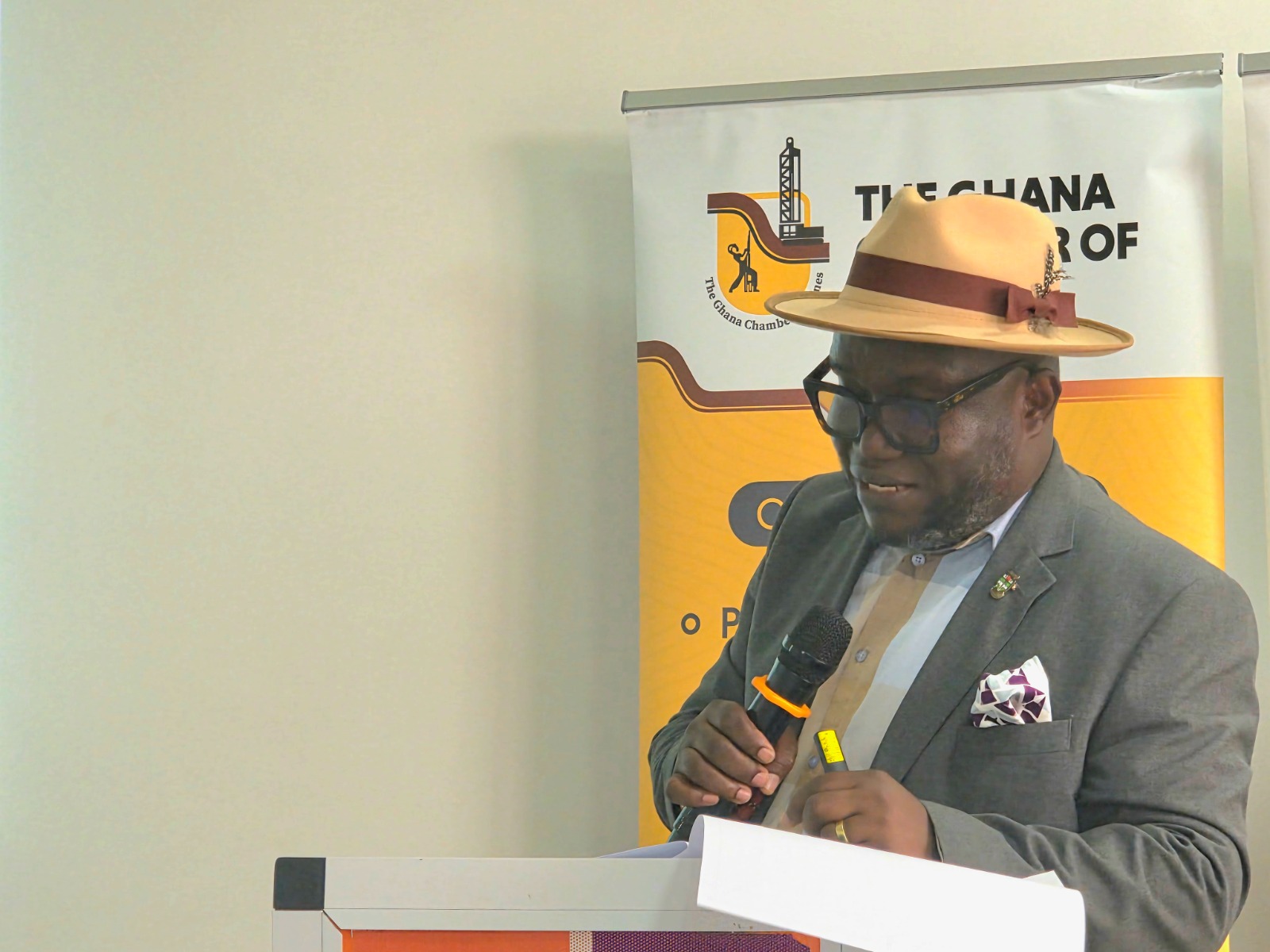

- Mining Communities Must Look Beyond Royalties, Ahafo Forum Says
Stakeholders at a maiden Mining for Development Forum in Goaso have called for a fundamental rethink of how mining communities in Ghana pursue development, arguing that royalty payments alone will not deliver the broad-based transformation long promised in resource-rich regions.
Hosted by the Ghana Chamber of Mines in partnership with Newmont Ghana and the University of Energy and Natural Resources, the forum centred on a blunt proposition: that mining communities must begin to build resilient local industries around mines if they are to convert mineral wealth into lasting economic value.
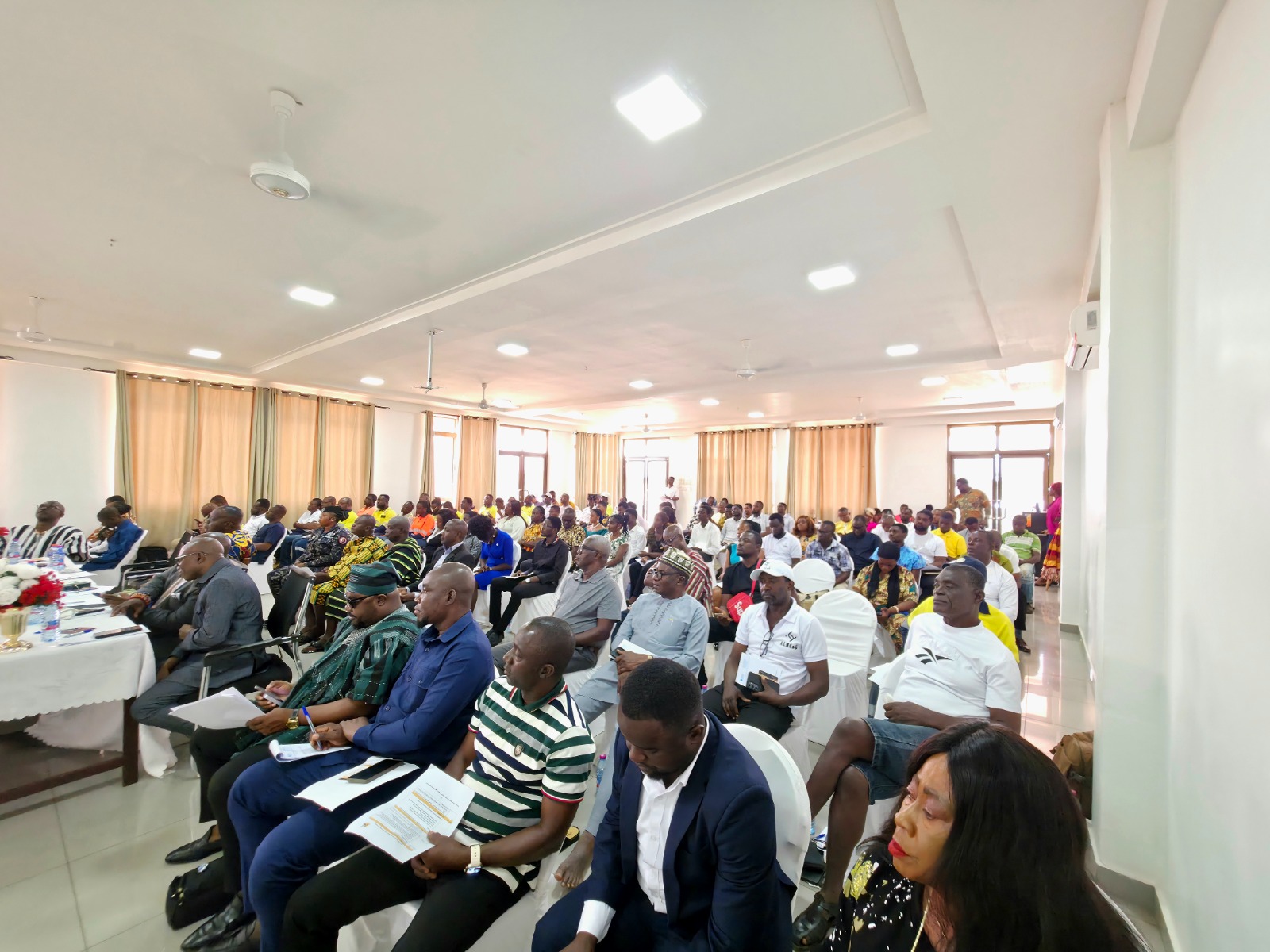
Held under the theme “Beyond Royalties: How Mining Communities Can Build Local Industries Around the Mine”, the event brought together government officials, traditional authorities, mining companies, academics, civil society groups and local businesses to examine what a more inclusive mining-led development model should look like.
The argument from the Chamber of Mines was clear. Mining remains central to Ghana’s economy, but the development gains at the community level have often been too shallow, too narrow, and too dependent on transfers rather than on enterprise.
Opening the forum, the Chamber’s Chief Operating Officer, Ahmed Dasana Nantogmah, said that while mining continues to be a cornerstone of the national economy, “royalties alone cannot transform communities,” and instead called for deliberate efforts to drive enterprise development, job creation, and value addition along mining supply chains.
He pointed to sectors such as transport, logistics, catering, fabrication, and agribusiness as areas where local opportunities exist but remain underused because of limited access to information, financing, and coordination.
That theme was reinforced by the Chamber’s Chief Executive, Ing. Dr Kenneth Ashigbey, who used the forum to highlight the scale of the sector’s national contribution and the limits of depending on royalties as the main development mechanism. He said Ghana’s mining industry generated more than US$51bn in mineral revenues between 2014 and 2024, with over 70 per cent retained in-country, but he argued that those flows had still not translated into sustained and inclusive development in many mining communities.
Ashigbey called for what was effectively a strategic pivot: away from passive dependence on royalty inflows and toward a more intentional effort to capture value within the mining ecosystem itself. He cited opportunities such as activated carbon production using agricultural by-products like coconut and palm kernel shells, suggesting that even partial capture of procurement demand from the sector could reshape local economies.
The intervention from academia followed the same logic. The Vice-Chancellor of UENR, Professor Elvis Asare-Bediako, described the forum as timely and necessary and urged a more strategic and inclusive approach to using mineral resources for long-term development. He advocated for investment in tourism, education, and healthcare, while also pledging the university’s support for literacy, numeracy, and skills development initiatives in mining communities.
Government’s contribution came with both encouragement and warning. Ahafo Regional Minister Charity Gardiner acknowledged mining’s role in employment, infrastructure, and revenue, but cautioned that communities remain exposed if planning does not prepare them for life beyond extraction. Without deliberate action, she said, mining areas risk deepening economic vulnerability, especially when mines close.
She pointed to state programmes such as the National Apprenticeship Programme and broader SME support schemes, urging stakeholders to position communities to benefit from the full mining value chain, including sectors that could outlast mining itself, such as agriculture, manufacturing, and tourism. She also highlighted regional infrastructure needs, including a regional hospital, agro-processing facilities, and stronger waste management systems.
Newmont Ghana sought to show that some of this transition is already under way. Representing the company, Ahafo South Mine General Manager Ing. Alex Kofi Annin said initiatives such as the Ahafo Linkages Program, implemented with the International Finance Corporation, had helped local enterprises expand, with some growing into national contractors working beyond mining. He added that Newmont currently works with more than 1,000 community-based businesses, generating jobs and wider economic opportunity.
Across the forum, participants repeatedly emphasised collaboration. Stakeholders identified improved access to finance, stronger enterprise capacity, skills development, better institutional coordination, and the need to build growth poles from local capability as priority areas. Participants also stressed the importance of investing in human capital, particularly in fabrication, agribusiness, digital skills, and enterprise management.
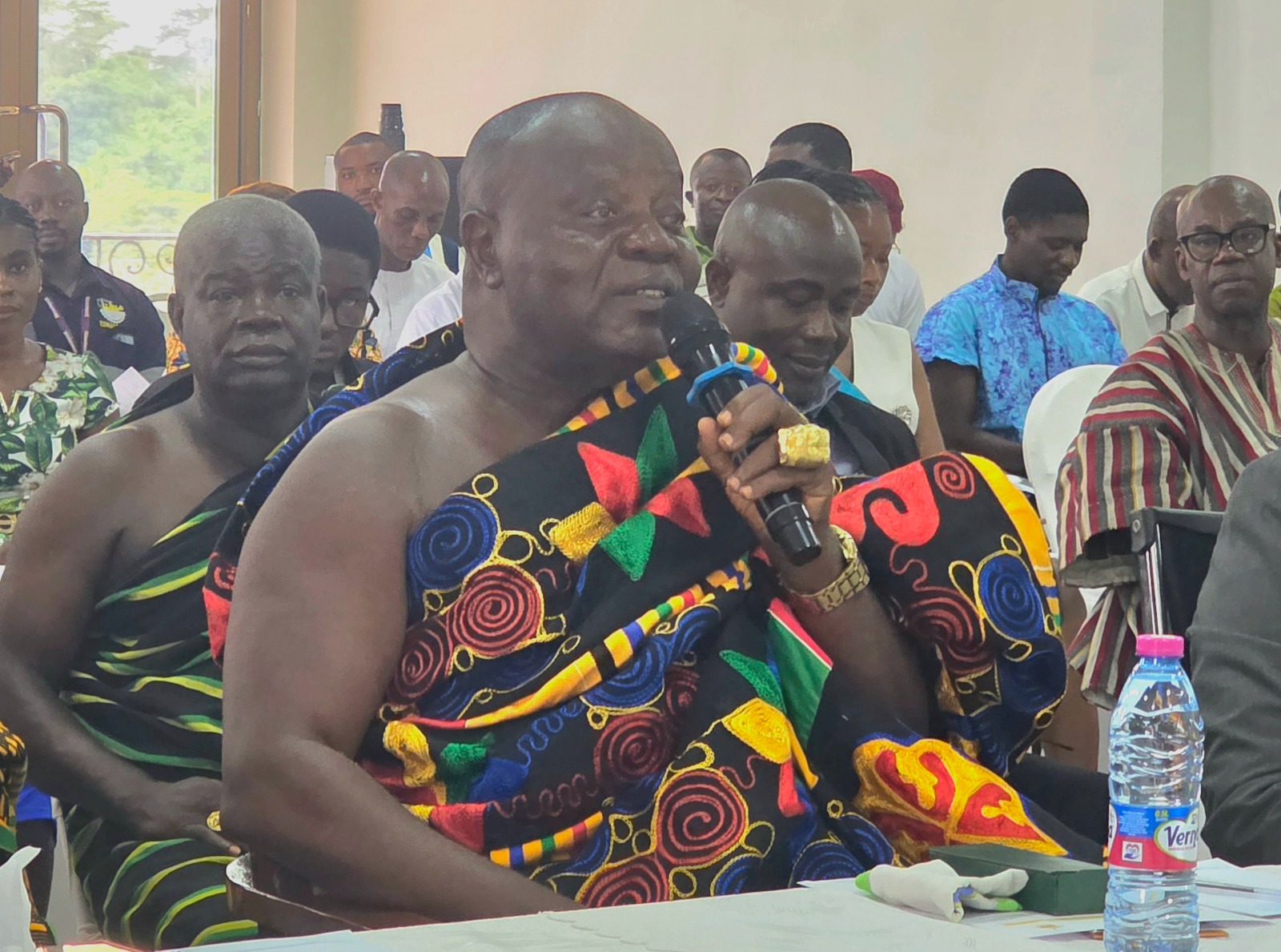
Traditional authorities added a further note of realism. The Omanhene of Ntotroso and President of the Ahafo Regional House of Chiefs, Nana Barima Twereku Ampem III, commended the Chamber for the forum but also urged it to speak more forcefully on the issue of illegal mining.
The conclusion of the forum amounted to a direct challenge to the conventional development logic around mining. Stakeholders called for a “paradigm shift” from dependence on royalties to the building of resilient and diversified local economies anchored on mining activity but not limited to it.
That is the harder question now facing Ghana’s mining communities. The issue is no longer whether mining generates value. It clearly does. The more uncomfortable question is why so much of that value still struggles to outlive the mine itself.

