
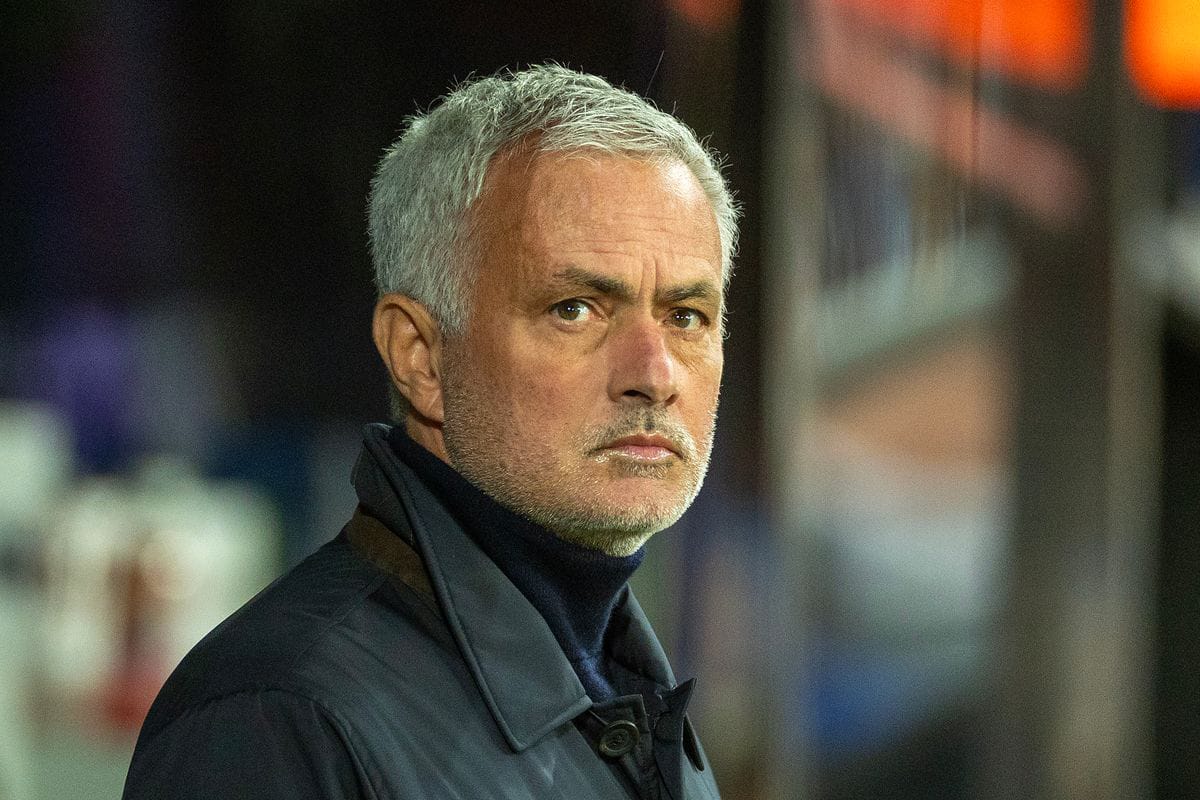

Mourinho Return Rumours Stir Debate as Real Madrid Weigh Familiar Gamble
Speculation surrounding a potential return for Jose Mourinho to Real Madrid has reignited debate across European football, with the Spanish giants reportedly considering a move that would mark one of the most surprising managerial reunions in recent memory.
The idea of Mourinho stepping back into the Santiago Bernabéu dugout more than a decade after his last spell initially feels improbable. Yet, as discussions intensify, it underlines a recurring theme in elite football: proven personalities, no matter how polarising, rarely drift too far from the spotlight.
Currently managing Benfica, Mourinho has guided the Lisbon side through an unbeaten domestic campaign, though inconsistency—particularly a high number of draws—has left them trailing in the title race. In Europe, their struggles have been more evident, with a difficult UEFA Champions League campaign exposing familiar weaknesses in high-pressure matches.
Despite this, Mourinho’s enduring appeal to top clubs remains rooted less in recent results and more in his commanding presence. Few managers in the modern game can match his ability to control dressing rooms filled with superstar talent, manage relentless media scrutiny, and thrive amid the intensity that defines institutions like Madrid.
Reports suggest that club president Florentino Perez is among those still intrigued by Mourinho’s profile, particularly as uncertainty surrounds the future of current head coach Alvaro Arbeloa. For Madrid, the search is not only about tactical direction but also about authority—finding a figure capable of commanding respect in one of football’s most demanding environments.
Mourinho’s career since his peak years has been a mixed journey. After winning the Premier League with Chelsea in 2015, his subsequent roles at Manchester United, Tottenham Hotspur, Roma, and Fenerbahce have produced flashes of success but lacked sustained dominance. His lone major trophy in that period—the Europa Conference League with Roma in 2022—has done little to silence critics who argue that his methods are no longer suited to the modern game.
Off the pitch, controversy has continued to follow him. Incidents in Turkey, including touchline disputes and confrontations with opponents, alongside recent remarks in Portugal that drew widespread criticism, have added to perceptions that Mourinho’s influence is as combustible as it is compelling.
Yet for Madrid, that unpredictability may not be a deterrent. The club has long embraced larger-than-life figures, and Mourinho’s previous tenure—highlighted by a La Liga title in 2012—proved he can deliver success while challenging Barcelona’s dominance at the time.
The question now is whether Madrid are seeking evolution or familiarity. A return to Mourinho would signal a shift back toward experience and authority over long-term tactical reinvention, especially after flirtations with more progressive coaching philosophies in recent seasons.
For all the doubts surrounding his recent record, Mourinho still embodies the traits that many elite clubs crave in moments of uncertainty: confidence, resilience, and an unshakable belief in his own methods.

