

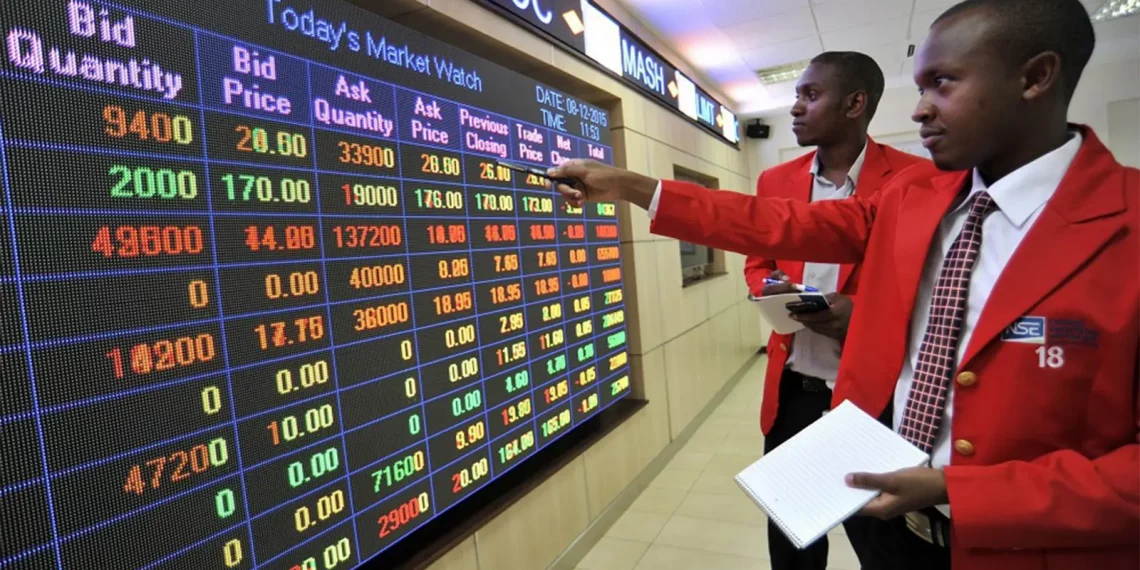

Nigeria’s Stock Market Extends 56% Surge as Trading Activity Slumps, Raising Caution Flags
Nigeria’s equity market continues to rank among the world’s top performers in 2026, but signs of cooling investor momentum are emerging as trading activity declines sharply despite sustained price gains.
The benchmark index rose modestly in early May, pushing year-to-date returns to approximately 56%, underscoring a powerful rally driven by macroeconomic reforms, currency adjustments and strong nominal earnings growth.
However, beneath the headline performance, market liquidity is weakening. Trading turnover dropped by about 58%, while transaction volumes fell nearly 48%, suggesting that investors are becoming more selective after months of aggressive buying.
The divergence between rising prices and falling activity points to a shift in market behaviour. Rather than broad-based participation, the rally is increasingly being driven by targeted positioning in specific sectors—particularly industrial stocks, which have surged by over 100% this year and now anchor much of the market’s upside.
Analysts interpret the slowdown in trading as an early signal of consolidation. Investors appear to be taking profits, rotating capital and reassessing valuations following one of the strongest rallies in recent years. This evolving sentiment suggests a transition from momentum-driven buying to a more cautious, fundamentals-based approach.
The broader macroeconomic backdrop remains supportive. Nigeria’s equity surge has been underpinned by policy reforms, improved investor sentiment and a search for inflation-hedged assets in a high-interest-rate environment. Yet, the narrowing breadth of participation raises questions about the sustainability of the rally if fresh liquidity fails to enter the market.
For investors, the current phase reflects a classic late-cycle dynamic: strong headline gains masking underlying fragility in market depth. While Nigeria’s equities remain a standout performer, the drop in trading activity signals that the next leg of the rally may depend less on momentum—and more on earnings delivery, policy consistency and renewed investor inflows.

