

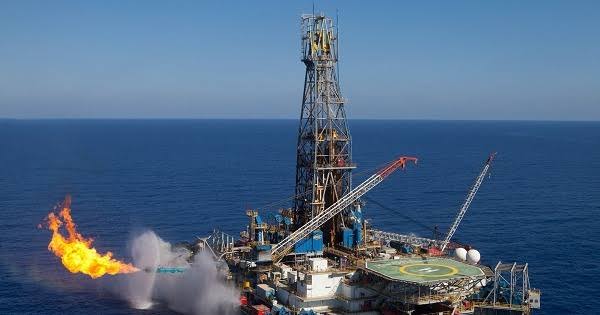

- Nya Gidie-1X Discovery Expands Ghana’s Offshore Exploration Prospects
Ghana’s offshore exploration has recorded a significant geological milestone: hydrocarbons have been encountered in a carbonate reservoir system at the Nya Gidie-1X exploration well in the Deepwater Cape Three Points Block.
The discovery marks the first successful test of a carbonate reservoir system in Ghana, according to a statement issued by the Ghana National Petroleum Corporation (GNPC) on November 10. It introduces a new geological target for further exploration beyond the sandstone reservoirs associated with the country’s existing commercial oil and gas fields.
That distinction may matter for the sector’s longer-term prospects. A new reservoir type can widen the range of geological areas companies are prepared to explore. But the discovery is not yet evidence of a commercially viable field, and it does not establish how much oil or gas could ultimately be recovered.
The well is located about 148 kilometres offshore Ghana. It was drilled in water depths of 2,289 metres and encountered hydrocarbons in carbonate rock between 3,364 and 3,499 metres measured depth along the wellbore.
Planet One Oil & Gas operates the block, with GNPC and GOIL Upstream Limited, a subsidiary of GOIL PLC, as partners. The block covers approximately 1,454 square kilometres.
The release says the discovery is expected to encourage renewed interest and investment in petroleum exploration and production, particularly in identifying additional resources and improving the upstream sector’s long-term outlook.
But the next stage is technical evaluation, not production. GNPC says further work is required to establish the discovery’s size, characteristics and commercial viability. Those assessments will guide decisions on further exploration and appraisal.
In his comments, GNPC Chief Executive Kwame Ntow Amoah described the result as important for the geological opportunity it represents as well as for the hydrocarbons encountered.
“For the first time in Ghana, we have tested and confirmed hydrocarbons in a carbonate reservoir system, opening up a new geological play for further exploration,” he said.
The discovery’s potential therefore rests on two separate questions. First, can additional drilling and technical analysis establish that the carbonate reservoir extends beyond the well? Second, can any resource identified be developed and produced at a commercial scale? An encouraging well result can make a geological play more attractive, but it does not settle either question.
That distinction is central to assessing the announcement. “Hydrocarbons encountered” confirms a positive exploration result. It is not the same as a quantified resource estimate, a declaration of commercial reserves or a production plan.
The release provides no figures for recoverable volumes, expected output, development costs or a timeline for any possible development.
The well’s significance is amplified by the priorities GNPC identifies for Ghana’s upstream sector: replacing produced reserves, attracting fresh exploration investment and addressing declining production.
A successful exploration campaign could help improve the resource outlook, but the size and speed of any contribution depend on what subsequent technical work establishes.
A discovery may also influence investor interest in nearby acreage, particularly where similar geological features are present. The GNPC statement notes that the Planet One-operated block was formerly part of a larger area that included the SDWT and GH-WB-02, 03 and 04 blocks, several of which remain available for licensing.
That creates a potential opening for exploration activity, although the release does not specify what data prospective licensees have or what terms would apply.
The broader commercial case will require more than investor curiosity. Exploration and appraisal decisions depend on whether a find can be delineated, whether its characteristics support recovery, and whether the scale justifies the capital and infrastructure required.
The discovery could attract attention to a new play, but that attention will need to be converted into sustained technical work and investment.
For Ghana, the announcement is both a positive signal and a reminder of the uncertainty inherent in exploration. The new reservoir type adds an option to the country’s petroleum prospects.
The commercial value of that option remains unknown until evaluation establishes the extent and quality of the hydrocarbon-bearing formation.
GNPC says it will continue working with its partners and relevant regulatory institutions to assess the discovery and determine the next steps. Amoah said the “next task is to establish the scale and commercial potential of the discovery through rigorous technical evaluation.”
That is the essential qualifier. The find may expand the map of Ghana’s offshore exploration, but the country cannot yet count it as new production or as a confirmed addition to commercial reserves.
The technical results that follow will determine whether Nya Gidie-1X becomes a foundation for further drilling or remains an important geological indication without a viable development case.
For now, the discovery’s clearest achievement is geological: Ghana has successfully tested hydrocarbons in a carbonate reservoir system for the first time.
Whether that new play can support future output, attract wider investment and help replace declining production will depend on the evidence that emerges from appraisal.

