


- CMC’s Gulf Offtake Deals Give Ghana’s Cocoa Processing Target A Market Lifeline
Ghana’s long-running ambition to move beyond raw cocoa bean exports has received a potentially important commercial boost after the Cocoa Marketing Company secured offtake commitments in the United Arab Emirates and Saudi Arabia for semi-finished cocoa products.
The deals, secured by CMC Managing Director Dr Wisdom Kofi Dogbey during engagements with commodities and processing institutions in the Gulf, are intended to create ready markets for cocoa liquor, butter, cake and powder produced from Ghana’s existing grinding capacity.
At one level, the development is a trade story. At another, it is a test of whether Ghana’s value-addition rhetoric can finally be converted into a bankable export strategy.
For decades, Ghana has been one of the world’s most important cocoa producers, yet the larger share of value has been captured outside the country by processors, chocolate manufacturers, traders, brands and retailers. The country has produced the beans, but others have largely captured the margin.
That imbalance is what the new 50.00% local processing mandate under President John Dramani Mahama seeks to change. The policy aims to ensure that Ghana processes half of its cocoa locally, thereby increasing domestic value retention, creating industrial jobs and strengthening the country’s position in the global cocoa economy.
But cocoa value addition has always had one central weakness: processing more beans locally is not enough if there are no reliable buyers for the semi-finished output. This is why the Gulf offtake commitments matter.
By securing demand before production is scaled up, CMC is attempting to solve one of the biggest risks in Ghana’s processing agenda the danger of producing cocoa derivatives that cannot be sold quickly, profitably or consistently in international markets.
A release from the CMC communication team noted that “by locking in buyers before output ramps up, CMC is moving to close one of the mandate’s biggest commercial gaps: ensuring that higher domestic grindings convert into secured export earnings rather than unsold stock.”

That point is crucial. Industrial policy often fails not because factories cannot produce, but because markets are not secured early enough. Ghana’s cocoa processing strategy will succeed only if local grinders can move cocoa liquor, butter, cake and powder into reliable commercial channels.
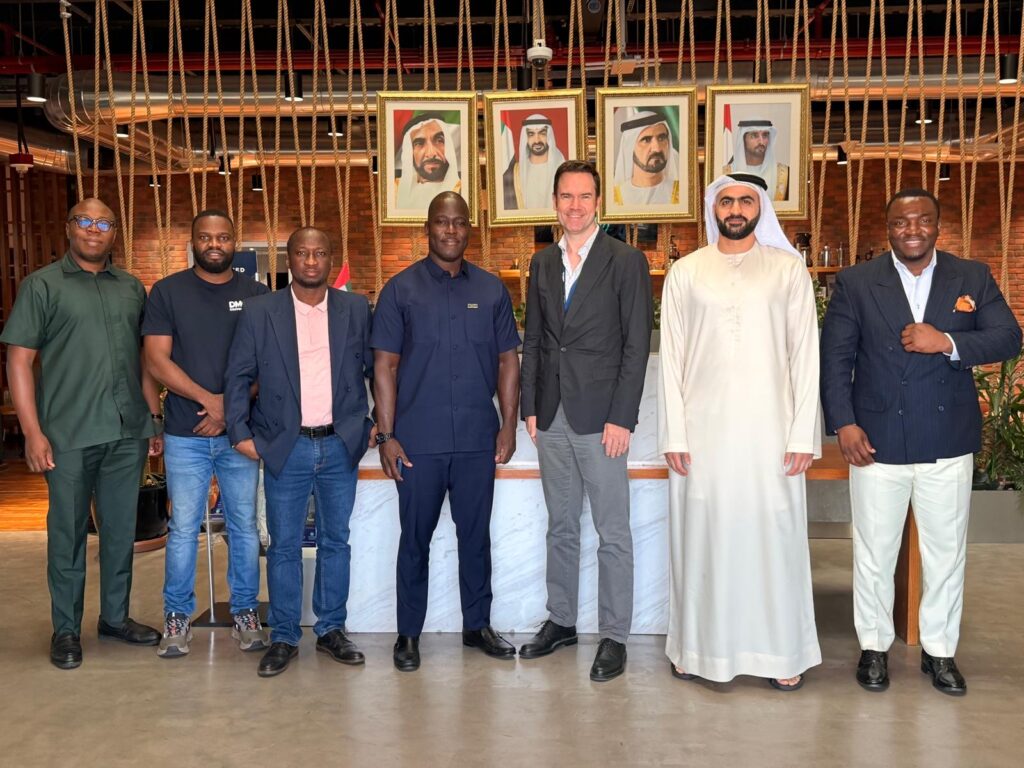
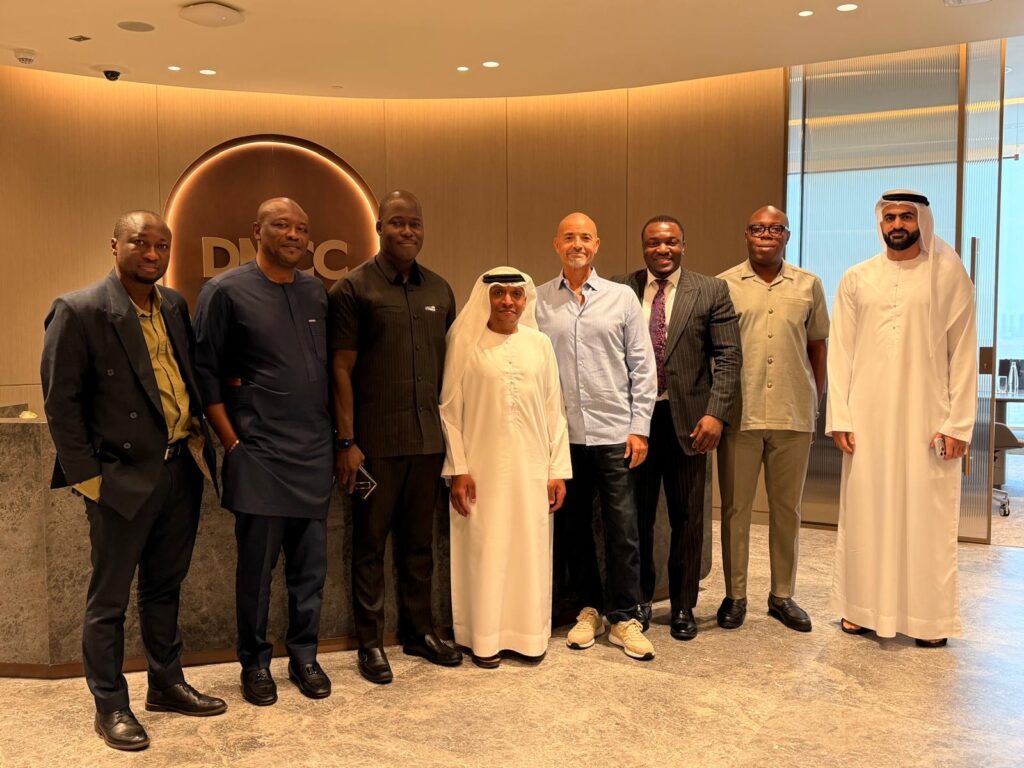
In Dubai, Dr Dogbey met the leadership of the Dubai Multi Commodities Centre’s coffee and tea membership, which runs an integrated model that sources raw materials directly from producers and converts them into finished consumer products. A dedicated DMCC cocoa membership is expected to begin, creating an opportunity for Ghanaian cocoa derivatives to enter similar value chains in the region.
Ahmad Hamza, a senior DMCC executive, described the proposed expansion of Ghanaian cocoa exports into the UAE as a “win-win”.
According to the report, he said DMCC provides an ecosystem that enables members to operate seamlessly, pointing to the coffee and tea membership as evidence of a functioning raw-material-to-finished-goods model. Replicating that structure for cocoa, he argued, would boost exports of Ghanaian cocoa derivatives to DMCC’s cocoa members.
This is where Dubai becomes more than a destination market. It becomes a distribution and processing gateway.
The UAE has built itself into a commodities, logistics and re-export hub. For Ghana, routing semi-finished cocoa products through such a platform could open access not only to Middle Eastern buyers, but also to Asian and wider international markets. That could help reduce Ghana’s heavy dependence on traditional European cocoa processing and trading channels.
Europe has historically been central to Ghana’s cocoa trade, but the global cocoa market is changing. Food processing demand is rising in emerging markets. Gulf countries are investing in food security, processing and logistics. Asian demand for chocolate, confectionery and cocoa-based ingredients continues to expand. Ghana’s cocoa strategy must therefore follow demand, not nostalgia.
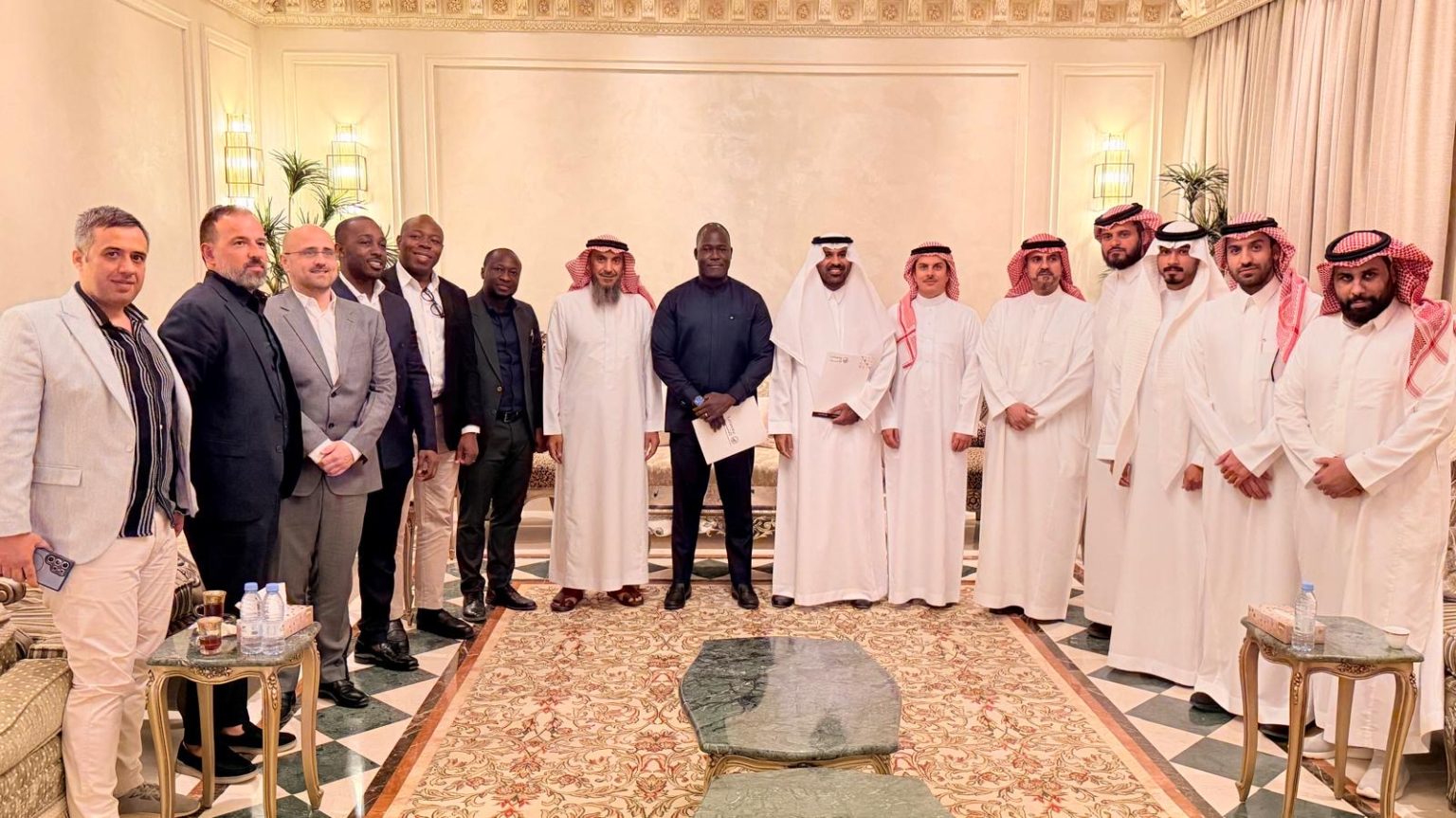
According to the report, CMC also secured commitments to import Ghanaian cocoa into Saudi Arabia in support of the Kingdom’s Vision 2030 food-sustainability goals. Saudi Arabia’s growing confectionery and food-processing sectors make it a potentially important destination for Ghana’s value-added cocoa products.
For Ghana, this offers a rare alignment. Saudi Arabia is looking to deepen food supply security and diversify its economy. Ghana is looking to process more cocoa locally and export higher-value products. If structured well, both sides could gain.
The more important question is whether these commitments will move beyond diplomatic trade language into actual shipment volumes, pricing agreements and long-term commercial contracts.
Ghana’s cocoa sector does not lack ambition. It has had several policy declarations on value addition, price fairness and industrial transformation. What has often been missing is execution at scale. Processing targets have been announced before. Local capacity has existed before. The problem has been the full commercial chain: finance, processing efficiency, quality consistency, logistics, buyer relationships, pricing and market access.
The latest CMC move is notable because officials are clear that the 50.00% value-addition mandate does not depend mainly on building new factories. It is designed to use installed processing capacity that already exists but is currently underutilised.
If Ghana already has idle or underused grinding capacity, then the immediate challenge is not concrete and machinery. It is demand, working capital, energy cost, quality assurance and export logistics. Guaranteed offtake could help bring that dormant capacity into fuller use.
It could also reduce the risk that local processors expand operations without knowing where the output will go.
For CMC, the deals suggest a shift in institutional role. As the sole authorised exporter of Ghana’s cocoa, CMC has traditionally been associated with marketing raw beans. Under Dr Dogbey’s leadership, the company now appears to be moving more actively into the creation of commercial partnerships that support processed cocoa exports.
That shift is necessary if Ghana wants to change the structure of its cocoa economy. A country cannot demand more value from cocoa while marketing institutions remain built mainly around raw bean sales. The institutions must evolve. They must understand processed product markets, negotiate with industrial buyers, manage quality specifications and build relationships with processors, commodity hubs and food manufacturers.
The Gulf commitments therefore represent a small but important sign of institutional adaptation. The first is pricing. Semi-finished cocoa exports must be priced competitively while still generating enough margin for processors and farmers. If Ghana’s processed products become too expensive because of high energy costs, inefficient logistics or financing constraints, buyers may look elsewhere.
The second risk is consistency. International buyers of cocoa liquor, butter, cake and powder require stable quality, reliable delivery times and dependable certification. Ghana’s reputation for quality cocoa beans is strong, but processed product markets are more technical and demanding.
The third risk is domestic alignment. COCOBOD, CMC, local grinders, private processors, banks, logistics providers and policymakers must work in the same direction. If the policy is not coordinated, offtake commitments may not translate into strong export performance.
The fourth risk is farmer benefit. Value addition must not become a slogan that benefits only processors and traders. If Ghana captures more value from cocoa, the question will inevitably follow: how much of that value returns to farmers?
Ghana’s cocoa farmers remain the foundation of the entire industry. A processing strategy that raises export earnings but does not improve farmer livelihoods will have limited political and developmental legitimacy.
For now, the Gulf deals offer a useful opening. They show that there is market interest in Ghana’s semi-finished cocoa products outside the traditional cocoa corridors. They also suggest that CMC is beginning to approach value addition as a commercial project, not merely a policy target.
But the deals should be treated as the beginning of a harder phase, not the end of the story. Ghana must now turn buyer commitments into contracts, contracts into shipments, shipments into earnings and earnings into broader industrial value.

