

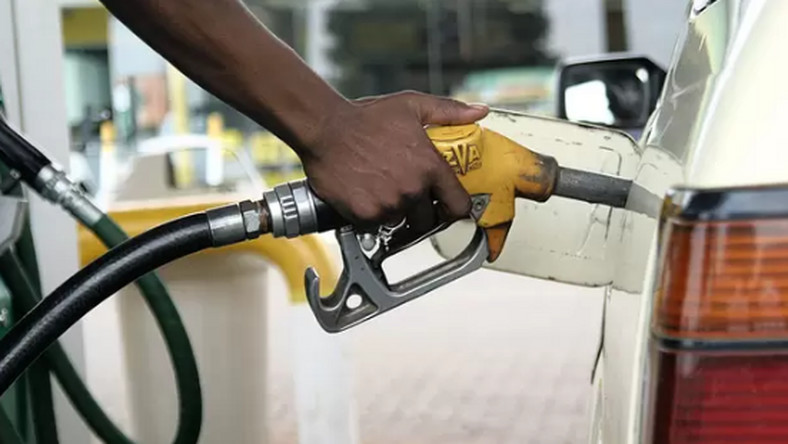

- Petrol Price Floor Climbs to GH¢15.20 as Diesel Eases to GH¢15.49
Ghana’s petroleum market is set for a mixed pricing adjustment in the first pricing window of June 2026, with the National Petroleum Authority raising the minimum price floor for petrol and LPG while allowing a marginal reduction in diesel prices amid shifting international market conditions.
Under the revised pricing framework, the price floor for petrol has been increased to GH¢15.20 per litre, from GH¢14.60 recorded during the second pricing window of May.
The adjustment represents a 60-pesewa increase per litre and is likely to feed into pump pricing decisions by Oil Marketing Companies during the new pricing window.
LPG prices also moved higher, climbing to GH¢13.48 per kilogram, from GH¢13.16 previously, reflecting continued pressure on household and commercial energy costs.
Diesel, however, offered modest relief to consumers, transport operators and businesses, with the minimum price floor reduced to GH¢15.49 per litre, from GH¢15.81.
The reduction represents a decline of 32 pesewas per litre, offering some limited respite to sectors that rely heavily on diesel for transport, logistics, haulage, construction and backup power generation.
The NPA said the adjustments were based on prevailing international petroleum market conditions and its Petroleum Products Pricing Guidelines.
Under the guidelines, Oil Marketing Companies and LPG Marketing Companies are required to comply with approved minimum selling prices during each pricing window.
The latest revision extends a volatile pricing trend seen in recent months, as Ghana’s downstream petroleum sector continues to respond to fluctuations in global crude oil prices, petroleum product prices, exchange rate movements and domestic market interventions.
In May, diesel prices recorded sharper declines before rebounding later in the month alongside petrol and LPG prices.
The mixed movement in the June pricing window suggests that fuel consumers will continue to face uneven cost pressures, with diesel users seeing some relief while petrol and LPG consumers absorb higher minimum pricing.
For households, the increase in LPG prices could add pressure to cooking fuel costs at a time when consumers remain sensitive to changes in basic energy prices.
For businesses, the petrol adjustment may raise operating costs for service providers, commercial transport operators and small enterprises that depend on petrol-powered vehicles and equipment.
The diesel decline, while modest, could provide some support to logistics-heavy sectors if Oil Marketing Companies pass through the reduction at the pump.
The price floor mechanism, introduced by the NPA in 2024, remains one of the more contentious policy tools in the downstream petroleum industry.
Regulators and sections of the oil marketing industry argue that the framework promotes market stability, protects margins and prevents destructive undercutting among dealers.
However, some market players maintain that the mechanism restricts competition, limits flexible pump pricing and weakens the ability of consumers to benefit fully from aggressive price competition among Oil Marketing Companies.
The debate reflects a broader tension in Ghana’s deregulated petroleum market: how to balance competition, consumer protection, supply security and financial sustainability across the downstream value chain.
For the NPA, the floor pricing system is intended to impose discipline in a market where underpricing can threaten dealer margins and product supply reliability.
For consumers, however, the concern is whether minimum pricing reduces the scope for cheaper fuel at the pump, especially during periods when international prices or exchange rate conditions support lower prices.
The June pricing window will therefore be closely watched by motorists, households and transport operators.
While diesel’s marginal decline may soften costs for parts of the economy, the increase in petrol and LPG floors points to continued pressure on energy-related household and business expenditure.
The broader policy question remains whether Ghana’s fuel pricing framework can deliver both market stability and consumer relief in a period of global price uncertainty.

