

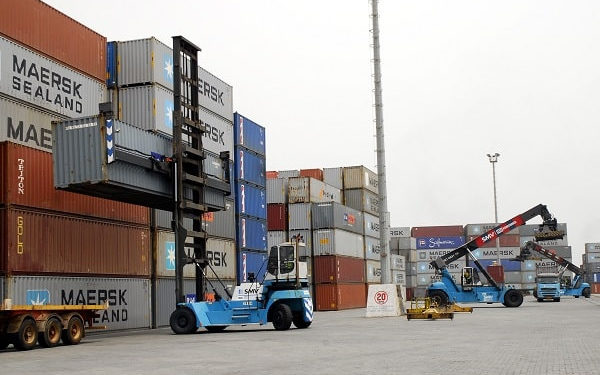

- Port Authority waives cargo rent charges to speed up clearance
The Ghana Ports and Harbours Authority has introduced a temporary waiver of rent charges on affected cargo as part of measures to ease financial pressure on importers and accelerate the clearance of stranded consignments at the country’s ports.
The intervention follows consultations among key port stakeholders aimed at improving cargo evacuation, reducing congestion at terminals and lowering the cost of doing business through Ghana’s maritime gateways.
The waiver is expected to encourage importers and clearing agents to take delivery of long-standing consignments more quickly, freeing up critical terminal space for incoming shipments and improving overall port efficiency.
Port congestion has in recent times placed additional pressure on supply chains, delaying cargo movement and increasing storage costs for businesses. By removing rent charges on qualifying cargo, GPHA is seeking to eliminate one of the cost barriers that has slowed clearance and contributed to operational bottlenecks at the ports.
The move also comes amid broader efforts by GPHA and the Ghana Shippers’ Authority to deepen collaboration on trade facilitation, reduce logistics costs and enhance the competitiveness of Ghana’s maritime sector.
Both institutions have recently signalled a stronger commitment to addressing operational inefficiencies that increase costs for importers, exporters, freight forwarders and other actors within the port value chain.
For businesses, the temporary waiver offers immediate cost relief at a time when delays in cargo clearance can affect inventory planning, cash flow and supply-chain reliability.
A faster clearance process is also expected to support smoother movement of goods from the ports to markets, factories, warehouses and distribution centres across the country.
Industry observers say improved cargo flow could strengthen Ghana’s position as a preferred trade and logistics hub in West Africa, particularly if temporary interventions are supported by longer-term reforms.
These reforms include further streamlining of customs procedures, deeper digitalisation of cargo processing, improved coordination among port agencies and continued investment in port infrastructure.
The decision by GPHA reflects a growing policy focus on balancing operational efficiency with trade competitiveness as Ghana seeks to make its ports more attractive to regional and international traders.
While the waiver is temporary, its success will likely depend on how quickly importers respond and how effectively port stakeholders coordinate clearance activities during the relief period.
For now, the intervention provides a direct incentive for faster cargo evacuation and signals GPHA’s intention to reduce congestion while supporting businesses affected by rising logistics costs.

