


Dr Emmanuel Abakah Urges Ghanaian Blockchain Developers to Focus on Research-Driven, Real-Sector Innovations
Senior Lecturer in Finance at the University of Ghana Business School (UGBS), Dr Emmanuel Joel Aikins Abakah, has called on Ghana’s blockchain ecosystem to reorient its focus from payment-based solutions toward research-backed innovations that address the continent’s most pressing development gaps.
Speaking to journalists on the sidelines of AyaHQ’s “Blockchain Adoption in Ghana” project engagement, Dr Abakah stressed that although fintech solutions dominate the local blockchain space, the continent’s real challenges lie in sectors such as health, agriculture, energy, governance, land administration, and education.
According to him, a narrow focus on payments limits the transformative potential of blockchain technology and stalls efforts to position Ghana as a continental innovation hub.
“Most developers in Ghana mainly concentrate on payments and settlement tools, even though the continent’s deepest challenges lie in areas such as health, energy, agriculture, transport, education, and land administration. The country will only become a blockchain hub if developers shift their attention to these sectors and build solutions that create real value,” he said.
He continued that there remains “a mindset gap” among African builders, who tend to design with Western benchmarks instead of African use cases, making many blockchain solutions poorly aligned with local market structures.
Blockchain as a Leapfrogging Tool
Dr Abakah outlined blockchain’s potential to help Ghana bypass longstanding barriers to development by automating processes, increasing transparency, reducing inefficiencies, and improving inclusion—benefits he said could unlock billions of cedis in economic value.
With the right regulatory and investment ecosystem, he argues, blockchain could become a backbone of Ghana’s modern economy, restore trust in public institutions and support the growth of local businesses.
But these gains, he emphasised, will only materialise through rigorous, interdisciplinary research.
“Research is the only way we can unlock the full potential of blockchain and take a leadership role on the continent. What we lack is the mechanism that translates innovation into sovereignty,” he noted.
Clearing Misconceptions Around Blockchain and Fraud
The UGBS lecturer also debunked the widely held misconception that blockchain is synonymous with fraud, stating that such fears originate from limited public understanding, the psychological perception shaped by media framing, and the early days of unregulated crypto activity.
He called for a national push toward digital and financial literacy, including early exposure at the Junior High School level, to ensure that future innovators understand the digital systems set to shape the global economy.
“The earlier children understand the digital systems shaping tomorrow’s economy, the better prepared they’ll be to lead, innovate, and compete,” he added.
Regulation: Balancing Innovation and Risk
Reacting to claims by some developers that regulators are reluctant to fully embrace blockchain, Dr Abakah argued that the Bank of Ghana and other regulators are simply taking a cautious “wait-and-watch” approach—similar to the regulatory trajectory during the early era of mobile money.
While acknowledging the need for oversight, he warned against excessive regulation that could stifle innovation.
“Our market dynamics are completely different from those of the Western world, so our regulatory approach must reflect our own realities,” he said.
He commended the Bank of Ghana for its ongoing work on a regulatory framework for Virtual Asset Services, stating that clear rules will enhance financial stability, increase transparency, and foster a safer environment for digital innovation.
Yale Researcher Observes Growing Regulatory Engagement
Eliza Oak, a blockchain researcher at Yale University and lead investigator on a study funded by the Ethereum Foundation, revealed that her research shows strong engagement from Ghana’s regulators.
“I have been pleasantly surprised at how closely the different government regulators are tracking this. The Ministry of Finance, for instance, sees blockchain technology as inevitable,” she said.
She identified remittances and cross-border payments as high-potential areas where blockchain could be layered on Ghana’s mobile money infrastructure to improve efficiency.
She stressed education and knowledge-sharing as key to building public trust.
Builder Community Calls for Simplicity and User-Centric Design
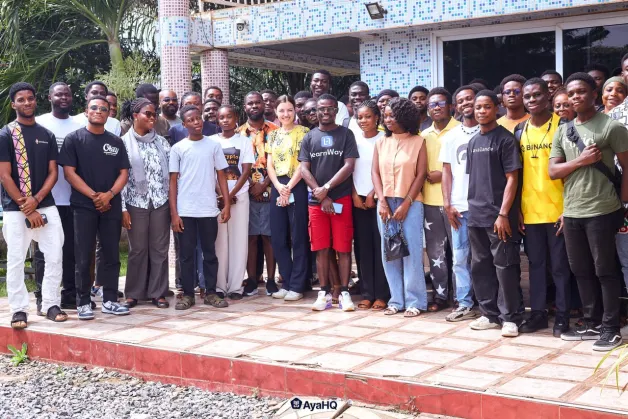
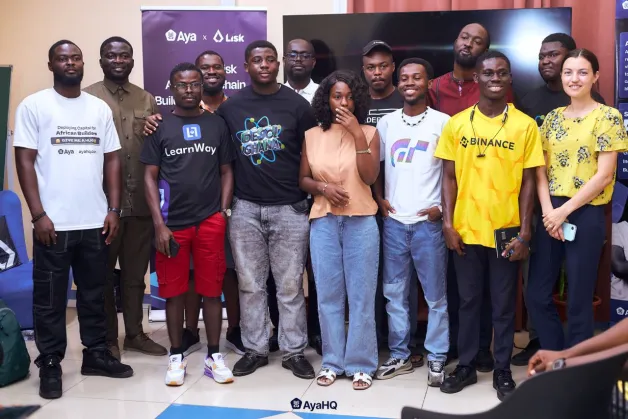
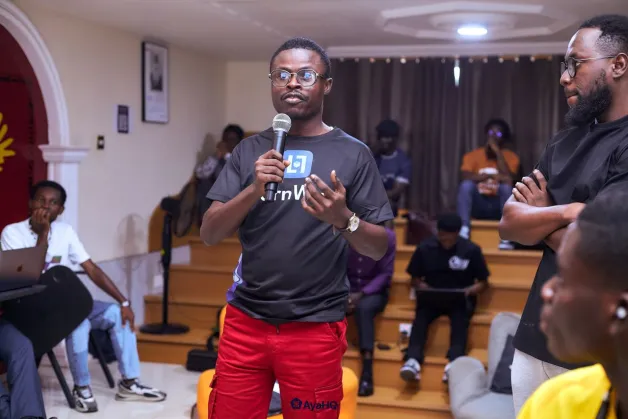
Kwame Stalwart, Manager of the AyaHQ Builder Hub in Abokobi, said the event was designed to give researchers direct feedback from builders on the realities of blockchain adoption in Ghana.
He cited the tendency to promote blockchain instead of simply explaining the usefulness of applications as a major barrier to adoption and urged developers to demystify the technology.
“People only need to know that an app works and solves a problem. The technology behind it should remain invisible,” he said.
He added that Web3 adoption would accelerate if developers avoid technical jargon and prioritise relevance and user experience.
AyaHQ, he noted, continues to serve as a key ecosystem builder for Ghana’s blockchain sector, offering developers and early-stage founders access to mentorship, training, and collaborative networks.

