


- World Bank Unveils Health Strategy to Strengthen Human Capital Across West and Central Africa
The World Bank has unveiled an ambitious strategy to transform health systems across Western and Central Africa, committing more than US$1 billion in grant financing as it seeks to reposition healthcare as a foundation for economic growth, resilience and human capital development.
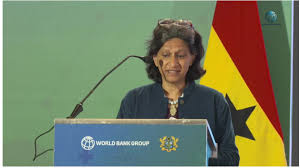
Presenting the framework in Accra, Dr Rifat Hasan, Practice Manager for Health, Nutrition and Population at the World Bank Group, said the region must move beyond incremental progress and embrace a new operating model built around scale, speed and stronger delivery systems.
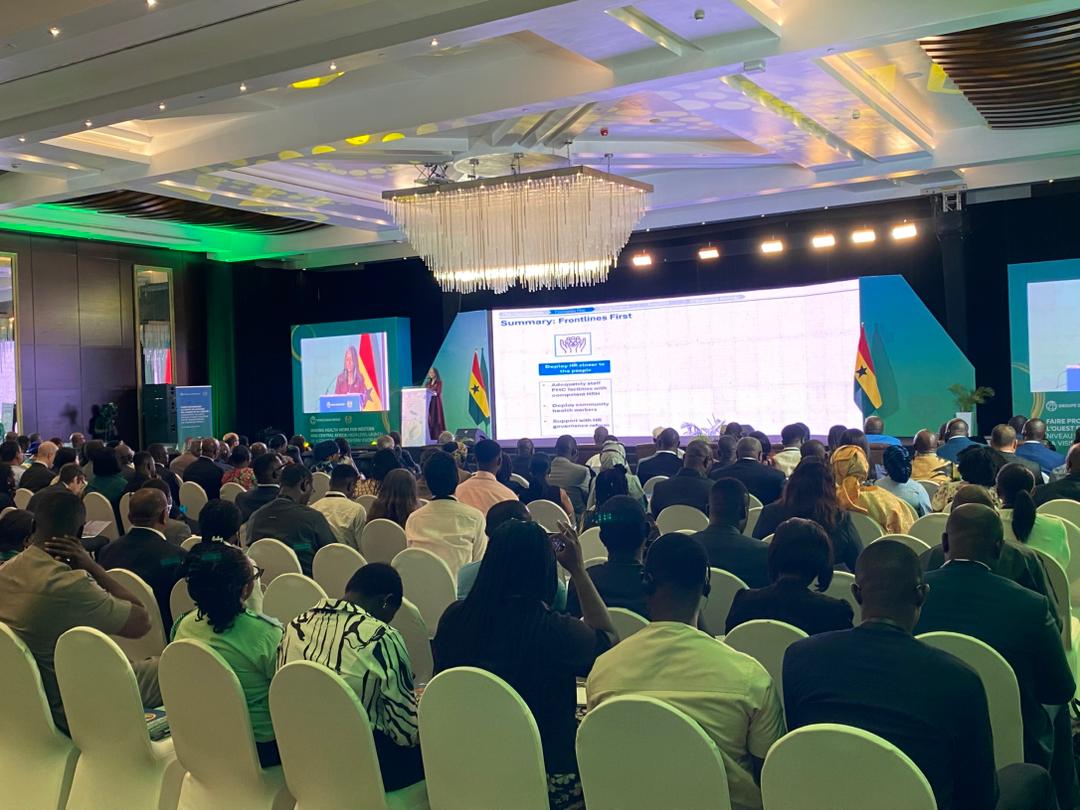
The strategy rests on three pillars: “frontlines first”, “fixing finance” and “future fit.” It aims to expand access to quality primary healthcare, improve the efficiency and sustainability of health financing, and build systems capable of withstanding climate shocks, pandemics and demographic pressures.
“We are not starting from zero,” Dr Hasan said, pointing to measurable improvements in the region’s health outcomes over the past three decades.
According to her, under-five mortality has declined by 55 per cent since 1990, while maternal mortality has dropped by 39 per cent over the same period. But she cautioned that those gains remain fragile, particularly as the region faces rapid population growth, climate risks, disease outbreaks and persistent financing constraints.
At the heart of the strategy is a call for governments to prioritise health spending within national budgets while improving execution and reducing fragmentation in donor support. The World Bank warned against overreliance on uncertain revenue sources, arguing that universal health coverage will require more predictable and sustainable domestic financing.
The “fixing finance” pillar is, therefore, central to the Bank’s approach. It seeks to align public budgets, donor resources and partner financing around essential service packages, while ensuring that funds reach frontline health facilities more efficiently.
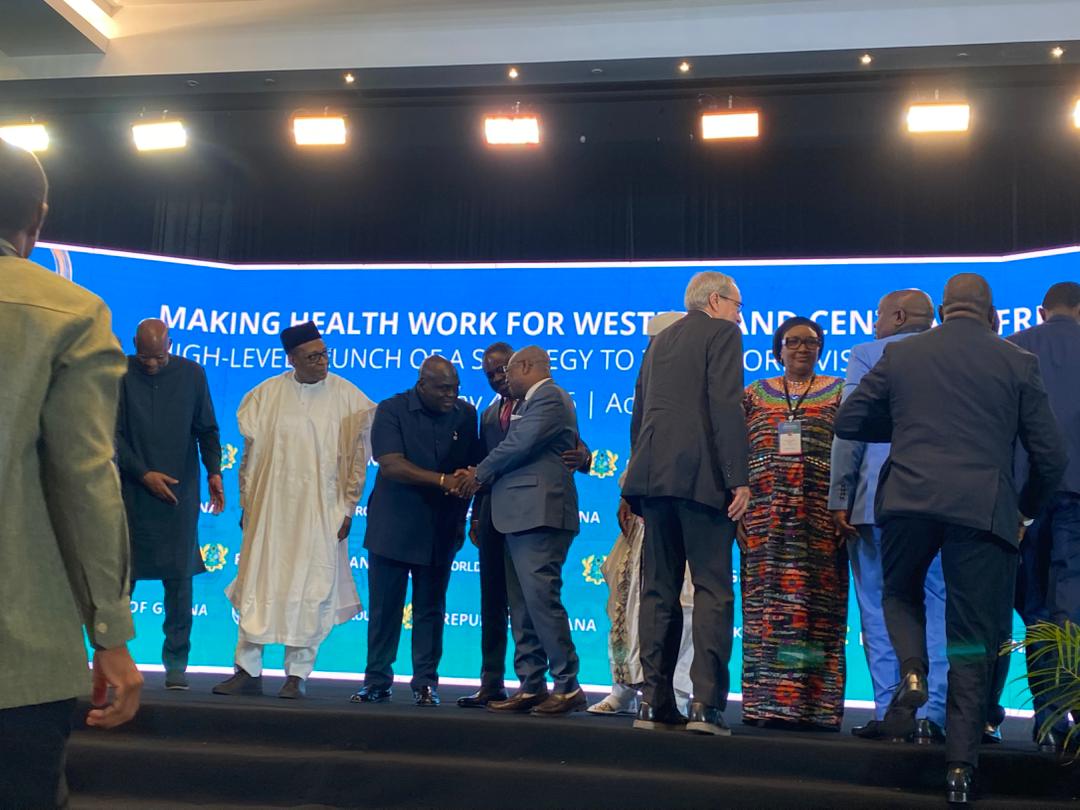
To drive implementation, the strategy introduces health compacts, country-led platforms intended to harmonise priorities among governments, development partners and financiers. Nigeria, Sierra Leone, and Côte d’Ivoire are already participating, while Ghana and Senegal are reportedly in advanced stages of adoption.
The initiative receives US$100 million in technical assistance and uses multi-phase programmatic approaches to strengthen primary healthcare systems across the region.
Beyond service delivery, the World Bank is framing health as an economic sector in its own right. The Bank estimates that the health sector could generate up to 1.4 million skilled jobs, including doctors, nurses and midwives, while creating tens of thousands of additional roles in pharmaceutical manufacturing and related supply chains.
Dr Hasan said healthier populations translate directly into higher productivity, lower absenteeism and improved earnings, strengthening the case for treating health expenditure as an investment rather than a consumption cost.
The strategy also recognises that health systems cannot be strengthened in isolation. It highlights the need for cross-sector investments in electricity, water, sanitation and digital infrastructure, including plans to connect up to 30,000 health facilities to electricity.
Such investments are critical in a region where many frontline health facilities continue to face unreliable power supply, weak digital connectivity and inadequate water and sanitation systems constraints that directly affect service quality and emergency preparedness.
The renewed emphasis on health comes amid a shift in public sentiment across Africa. According to Afrobarometer data cited in the presentation, health has overtaken unemployment as the top policy priority for many citizens. Public demand for universal access to healthcare is rising, even where it may require higher taxes.
That political signal is important. For years, health financing in many African economies has been treated as fiscally difficult and politically secondary to roads, energy and other visible infrastructure. The World Bank’s new strategy seeks to challenge that hierarchy by linking health outcomes directly to productivity, employment, resilience and long-term growth.
For Western and Central Africa, the stakes are particularly high. The region is projected to record the fastest growth in youth population globally. Without stronger health systems, that demographic shift could increase fiscal pressure, deepen inequality and weaken the prospects for a demographic dividend.
But with the right investments, officials argue, the same youth surge could become an engine of growth, provided citizens are healthy, educated and economically active. “The opportunity is clear,” Dr Hasan said. “But without decisive action, it could quickly become a missed one.”
In that sense, the Bank’s new health strategy is not merely a development programme. It is a test of whether the region can convert health investment into productivity, resilience and shared prosperity.

