

- South Africa’s Top Court Revives Ramaphosa Impeachment Process Over Farmgate Scandal
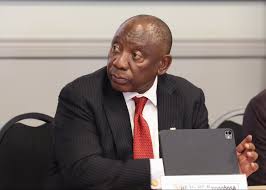
South Africa’s Constitutional Court has revived an impeachment process against President Cyril Ramaphosa over the long-running Farmgate scandal, ruling that parliament acted unlawfully when it blocked the process in 2022. The case stems from the theft of foreign currency from a sofa at Ramaphosa’s Phala Phala game farm in 2020, an episode that has dogged the president for years and raised questions about the origin of the money, how the theft was handled, and whether the matter was properly reported.
Ramaphosa has denied wrongdoing, saying the stolen money amounted to about US$580,000 and came from the sale of buffalo. A whistleblower, however, alleged that the president concealed the theft of about US$4 million, intensifying political pressure over the affair. The Constitutional Court backed a case brought by the opposition Economic Freedom Fighters, which argued that parliament had failed to hold the president properly accountable when it rejected an independent panel report that had found preliminary evidence of misconduct.
The ruling effectively opens the way for the matter to return to parliament for further consideration through an impeachment committee.
For Ramaphosa, the judgment revives one of the most politically damaging scandals of his presidency at a time when his African National Congress is already operating in a more difficult post-majority political environment.
In 2022, the ANC used its parliamentary majority to shield Ramaphosa from impeachment proceedings after the independent panel’s findings. But the political arithmetic has since changed, after the ANC lost its outright majority in the 2024 elections.
Even so, Ramaphosa is still expected to survive any eventual removal attempt. Impeachment would require a two-thirds majority in the National Assembly, and the ANC still holds more than one-third of seats, giving it enough strength to block removal if it remains united behind the president.
The Economic Freedom Fighters have called for the immediate establishment of the impeachment committee, signalling that opposition parties will seek to use the ruling to intensify pressure on Ramaphosa and the ANC.
Ramaphosa, in a response to the judgement, said he respected the Constitutional Court’s decision and affirmed the principle that “no person is above the law.”
The ruling is significant beyond the president’s personal political fortunes. It reinforces the role of South Africa’s judiciary in holding parliament to constitutional standards, particularly where the legislature is accused of using partisan power to shield the executive from accountability.
For investors and regional observers, the development adds a fresh layer of political risk in South Africa, even if immediate removal from office appears unlikely.
The country is already navigating weak growth, coalition-era uncertainty, pressure on public finances, and investor concerns over reform implementation. A revived impeachment process could distract from policy priorities and deepen political contestation inside and outside parliament.
Still, the court’s ruling does not amount to a finding that Ramaphosa is guilty of misconduct. It means the previous parliamentary process that blocked further inquiry was constitutionally flawed and must now be revisited.
That distinction matters. The process ahead is likely to be lengthy and politically contested, with Ramaphosa expected to rely on ANC support and coalition partners to withstand opposition pressure.
It reopens a scandal the president had hoped to move beyond, but it also places parliament back under scrutiny: not only over what it decides about Ramaphosa, but whether it can conduct executive oversight without reducing constitutional accountability to party arithmetic.

