


Virtual Asset Service Providers Act: Banks to Play Central Role as BoG Moves to Operationalise Framework
The Governor of the Bank of Ghana (BoG), Dr Johnson Asiama, has announced that the Virtual Asset Service Providers (VASP) Act has been enacted, formally bringing digital asset activities within Ghana’s regulatory framework, as the Central Bank prepares for full operationalisation of the new regime.
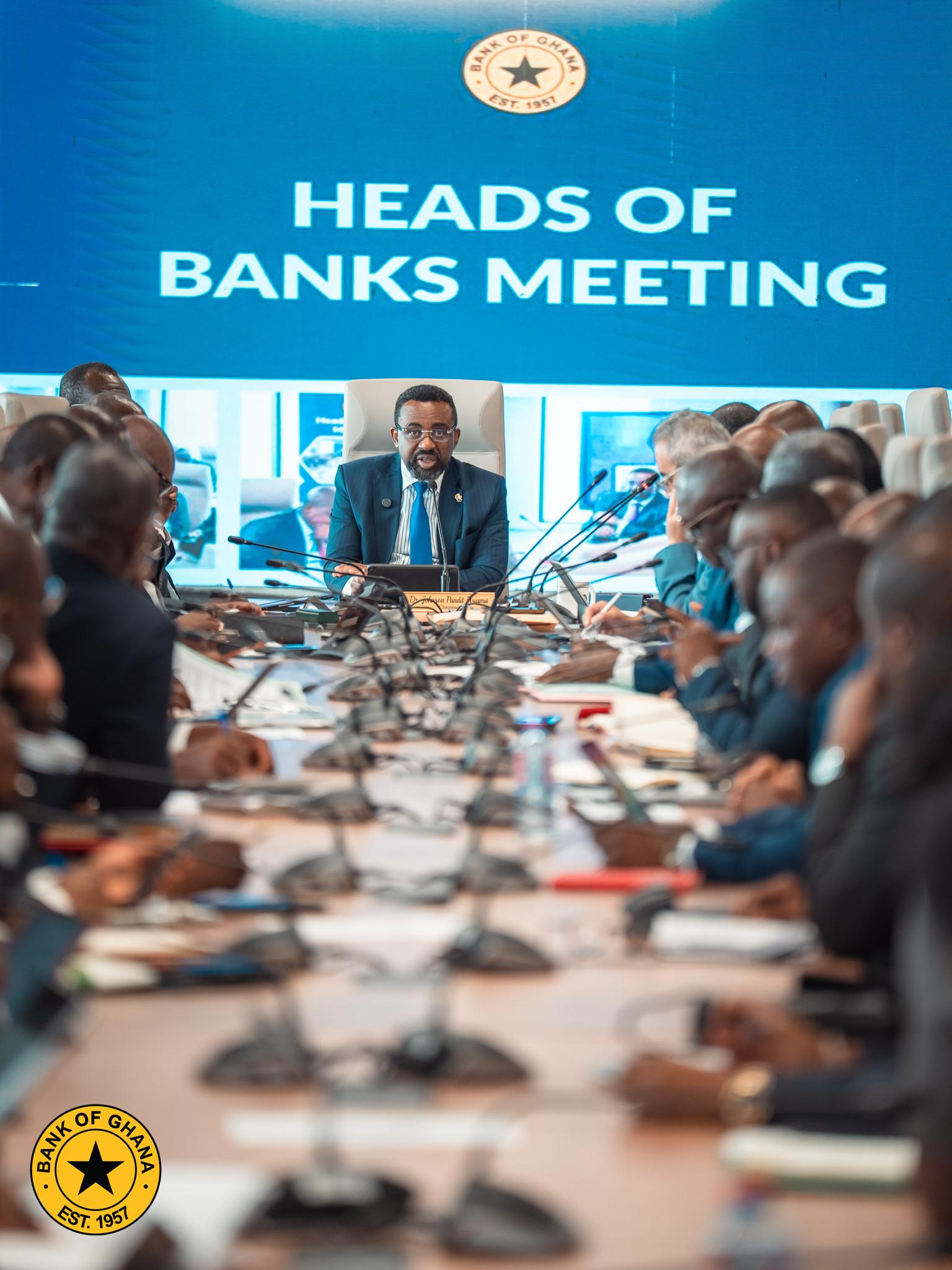
Delivering opening remarks at the Post-Monetary Policy Committee (MPC) Engagement with Heads of Banks at the Bank Square in Accra on Wednesday, February 18, 2026, Dr Asiama said the focus has now shifted to implementing the Act in a structured and orderly manner.
“The Virtual Asset Service Providers Act has now been enacted, establishing a formal regulatory perimeter for digital asset activities in Ghana. The next phase is operationalisation,” he said.
According to the Governor, the Bank of Ghana is currently developing the regulatory frameworks, supervisory processes and coordination mechanisms required to bring the legislation fully into effect.
Dr Asiama stressed that banks will play a central role in the emerging digital asset ecosystem, noting that virtual assets will interface directly with the traditional banking system.
“Banks are not observers in this space. Virtual assets will interact with the banking system through settlement accounts, custody arrangements, compliance infrastructure, and payment channels,” he explained.
He added that institutions that invest in digital asset risk assessment, transaction monitoring and technology governance will be better positioned to participate responsibly in the evolving market.
“We are not creating a parallel financial system; we are extending the perimeter of the existing one,” the Governor emphasised.
Push for more bank listings on GSE
In a related development, Dr Asiama disclosed that the Bank of Ghana has inaugurated Steering and Technical Committees to guide efforts aimed at encouraging more banks to list on the Ghana Stock Exchange (GSE).
He said the initiative brings together key stakeholders across the financial system, including the Securities and Exchange Commission (SEC), Ghana Stock Exchange, Ministry of Finance, National Insurance Commission (NIC), Ghana Securities Industry Association, Central Securities Depository, and the Ghana Association of Banks, alongside the Central Bank.
According to the Governor, bank listings go beyond capital mobilisation and play a critical role in strengthening the financial system.
“Listing is not only about capital raising. It broadens ownership, strengthens governance, deepens transparency, and anchors banks more firmly in domestic long-term savings, enhancing resilience and trust in the system,” he noted.
Focus shifts from stability to durability
Dr Asiama observed that while financial stability has largely been restored, the priority for regulators and industry players must now be durability.
“Durability requires stronger business models, broader ownership, deeper intermediation, disciplined innovation, and sound governance,” he said.
He assured banks that the Central Bank would remain an engaged and forward-looking partner, balancing support with clear regulatory expectations.
“We will walk this next phase together, with shared responsibility for building a banking system that is not only stable but structurally positioned to support Ghana’s long-term transformation,” the Governor added.

