

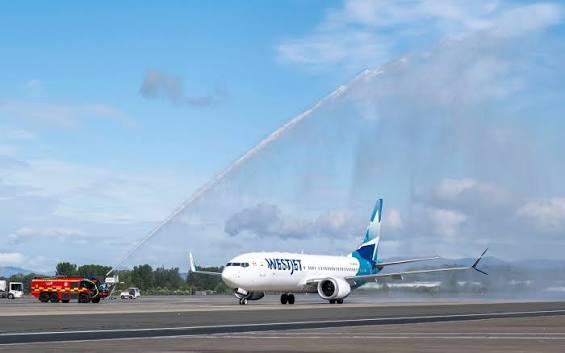

- WestJet Flight Attendants Strike as 309 Flights Are Cancelled
WestJet flight attendants have gone on strike after negotiations over pay and working conditions collapsed, forcing Canada’s second-largest airline to cancel 309 flights through Sunday night during one of the busiest periods of the summer travel season.
The Canadian Union of Public Employees, which represents about 4,400 WestJet flight attendants, began the work stoppage on August 2 after the two sides failed to reach a new labour agreement before a 72-hour strike notice expired. WestJet responded with a lockout notice as the dispute intensified.
At the centre of the dispute is compensation for work performed before and after flights.
The union wants cabin crew to be paid from the time they check in for duty until they clock out, challenging an industry compensation model under which significant portions of pre-flight and post-flight work may not attract the same hourly pay as time spent operating aboard an aircraft.
CUPE said it negotiated until the final stages but concluded that WestJet’s proposal did not go far enough. Union leader Alia Hussain said members remained prepared to return to the bargaining table.
WestJet said it had offered an hourly rate covering time before and after flights alongside a double-digit wage increase in the first year and other improvements sought by employees.
Chief Executive Alexis von Hoensbroech said the airline was disappointed that the proposal had not been accepted.
The competing positions show that the disagreement extends beyond a headline wage increase to how working time itself is defined and compensated.
For flight attendants, duties can begin well before passengers board. Safety briefings, aircraft checks, passenger preparation and delays can add substantial working time around the actual flight.
The dispute therefore forms part of a wider labour push across North American aviation for cabin crew to be compensated more comprehensively for the full period they are on duty.
A similar confrontation occurred at Air Canada in August 2025, when flight attendants staged a four-day work stoppage. The WestJet strike reinforces the possibility that cabin-crew compensation could become a structural labour issue rather than a company-specific dispute. The immediate financial pressure on WestJet comes from flight cancellations and passenger disruption.
The airline began reducing operations before the strike, cancelling 86 flights on Saturday before the number rose to 309 through Sunday night. WestJet said the reductions were intended to minimise the possibility of aircraft and passengers becoming stranded once the strike began.
Affected passengers are being offered refunds or alternative travel arrangements.
The dispute could have wider consequences because WestJet controls about 30.00% of Canada’s domestic aviation market. A prolonged stoppage would therefore remove significant capacity from the country’s air transport system at a time of strong seasonal demand.
That could push more passengers towards rival carriers, increase pressure on available seats and create knock-on effects across tourism, business travel and regional connectivity.
The airline had already started parking some Boeing 737 aircraft ahead of the potential disruption to maintain operational control. WestJet Encore services using Bombardier Q400 aircraft and some codeshare operations were not initially affected by the same action.
The labour dispute also creates a political test for the Canadian government.
Jobs Minister Patty Hajdu described the breakdown in negotiations as disappointing but stressed that a strike or lockout did not eliminate the possibility of reaching an agreement through bargaining.
The government intervened during the Air Canada dispute in 2025, although cabin crew subsequently challenged that intervention. WestJet’s union has urged Ottawa not to take similar action and instead allow collective bargaining to continue.
Government intervention could restore flights more rapidly but risk intensifying tensions with organised labour, particularly if workers believe arbitration or compulsory return-to-work measures weaken their negotiating position.
For WestJet, the commercial stakes rise with every day the strike continues.
Beyond refunds and lost ticket revenue, prolonged disruption could affect customer confidence and raise operating costs once the airline begins restoring aircraft, crews and schedules across its network.
The union faces its own pressures. Members forgo normal earnings during a strike, while public support can weaken if travel disruption becomes prolonged.
Both sides therefore have incentives to return to negotiations, but the fundamental disagreement over what constitutes paid working time is unlikely to disappear quickly.
The strike is consequently more than a wage dispute at one Canadian airline. It is another test of whether the traditional economics of cabin-crew employment can withstand growing pressure from workers demanding compensation for the full range of duties required to operate modern commercial aviation.

