


- Wildlife Surveillance Gaps Leave Countries Exposed to the Next Disease Crisis
Most countries lack the surveillance systems needed to detect diseases emerging in wild animals, creating a dangerous blind spot that could allow local outbreaks to become conservation disasters, agricultural shocks or public-health emergencies.
Three research papers published through the Wildlife Health Intelligence Network, or WHIN, have now set out a blueprint for governments to strengthen early detection, pool technical resources and connect wildlife monitoring with wider health-security systems.
The initiative reflects a growing recognition that diseases do not respect the institutional boundaries separating wildlife, livestock and human health. An infection first detected in a forest, wetland or protected area can eventually damage food production, tourism, rural livelihoods and global supply chains.
“Wildlife health surveillance is no longer a luxury,” the Wildlife Conservation Society said in announcing the research. “It is both a global conservation and health security imperative.”
The central weakness is not necessarily the absence of expertise. Many countries have veterinarians, conservation agencies, laboratories and field researchers capable of identifying disease threats. The difficulty is that these resources are often fragmented, inconsistently funded and poorly connected.
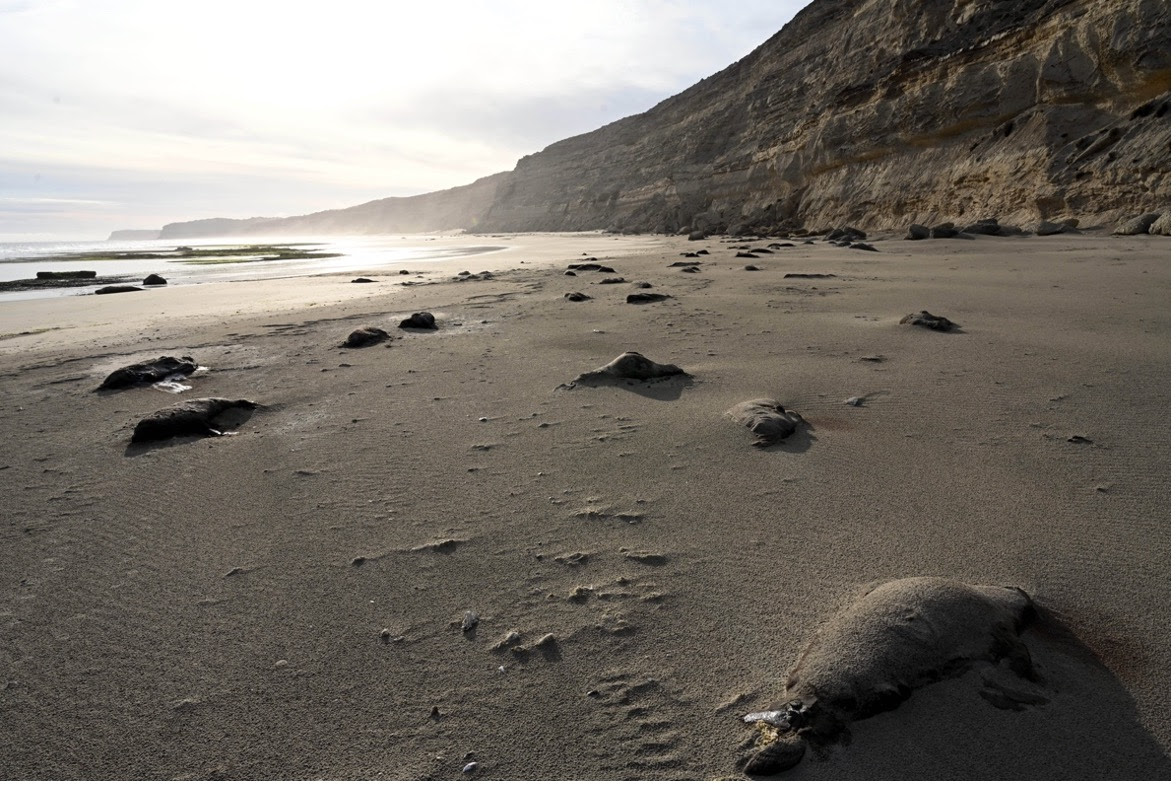
This can leave governments responding to disease only after animals have died in large numbers, infections have spread into livestock or an unfamiliar pathogen has begun threatening people.
WHIN, an open global community of experts, organisations and governments, is seeking to replace this fragmented approach with locally led surveillance systems aligned with international standards.
Its three papers address separate but related questions: why wildlife surveillance matters, how countries can build effective systems and which practical tools are available to begin the process.
The first paper presents wildlife surveillance as more than an environmental concern. It draws connections between animal health and several United Nations Sustainable Development Goals, including food security, human health, clean water, climate action and biodiversity protection.
The economic argument is equally significant. Nature-based tourism generates employment and foreign exchange for countries whose economies depend on healthy wildlife populations.
According to figures cited in the research, every US$1mn injected into Rwanda’s economy through tourism centred on mountain gorillas supports approximately 1,328 jobs. An outbreak that severely damages an iconic species can therefore become an employment and fiscal problem as much as a conservation emergency.
Livestock-dependent communities face similar exposure. Peste des petits ruminants, a highly contagious viral disease, was associated with an estimated 80 per cent decline in the endangered Mongolian saiga antelope population and mortality of up to 90 per cent among unvaccinated sheep and goats.
The example demonstrates how an outbreak can simultaneously erode biodiversity and destroy productive assets held by rural households.
The second paper moves from the case for surveillance to the institutional barriers preventing countries from implementing it.
Tiggy Grillo, co-chair of the International Union for Conservation of Nature’s Wildlife Health Specialist Group, said the aim was to connect national and local actors with the expertise and resources required to develop effective systems more rapidly.
“The goal is to connect local and national actors with the expertise and resources critical to build effective harmonised systems faster, while using international co-ordination to strengthen and guide local action,” she said.
The blueprint identifies six mutually reinforcing priorities. These include building political support and predictable funding, strengthening the evidence on the cost-effectiveness of surveillance, developing interoperable and open-source technologies, and training national experts.
It also calls for a change in how governments view wildlife. Wild animals are sometimes treated primarily as an economic liability or a source of infection. WHIN argues that this mindset can discourage co-operation and overlook the role healthy wildlife populations play in maintaining ecosystems and supporting livelihoods.
The final priority is the creation of a global community through which governments, researchers, Indigenous communities and field practitioners can share methods and avoid duplicating work.
WHIN’s approach is deliberately collaborative rather than prescriptive. It seeks to expand systems that already work including WildHealthNet in Southeast Asia and the World Organisation for Animal Health’s regional network instead of requiring each country to construct an entirely new model.
Sustainable implementation, the network said, “exceeds the capacity of any single institution”.
The third paper introduces a Needs Assessment Tool piloted in Rwanda and Thailand. The instrument allows countries to evaluate the maturity of their wildlife surveillance arrangements and determine where limited resources could have the greatest impact.
It assesses six areas: detection, identification, analysis, management, communication and applied research. The review extends from diagnostic laboratories and field reporting to governance and communication during an outbreak.
That matters because surveillance can fail at several points. Rangers may observe unusual animal deaths but have no reliable reporting channel. Samples may reach a laboratory that lacks the equipment to identify the pathogen. Alternatively, a disease may be confirmed but not communicated quickly enough to livestock or public-health authorities.
The assessment tool is intended to expose these weak links before an emergency tests them.
WHIN is also promoting shared technologies, including HAWK, a service designed to manage wildlife-health surveillance data. Common standards could allow disease information to move between conservation, veterinary and public-health institutions more efficiently.
The wider challenge will be converting the blueprint into funded national programmes. Surveillance typically produces its greatest value by preventing events that might otherwise occur, making its benefits less visible than emergency spending after an outbreak.
Yet the economic logic is increasingly difficult to ignore. Governments already invest in human disease monitoring, food safety, livestock protection and disaster preparedness. Wildlife surveillance is the upstream layer connecting all four.
The lesson from the research is that the next health crisis may announce itself first through an unusual cluster of animal deaths. Whether that signal becomes an early warning or a missed opportunity will depend on systems established long before the emergency begins.
For governments, the choice is therefore not between spending on wildlife and spending on people. It is between investing in early detection today and absorbing potentially far greater ecological, economic and human costs tomorrow.

