


- Women In PR Ghana Marks 10th Summit with Call for Trust, Data Ethics and AI Readiness
Public relations and communications professionals have been urged to embrace continuous reinvention, strategic leadership and ethical influence as the profession confronts rapid advances in artificial intelligence, rising stakeholder expectations and growing demands for trust, accountability and credibility.
The call was made at the climax of the 10th Women in PR Ghana Annual Summit, held under the theme, “Positioning Women in PR Ghana as Catalysts for Strategic Influence and Change.”
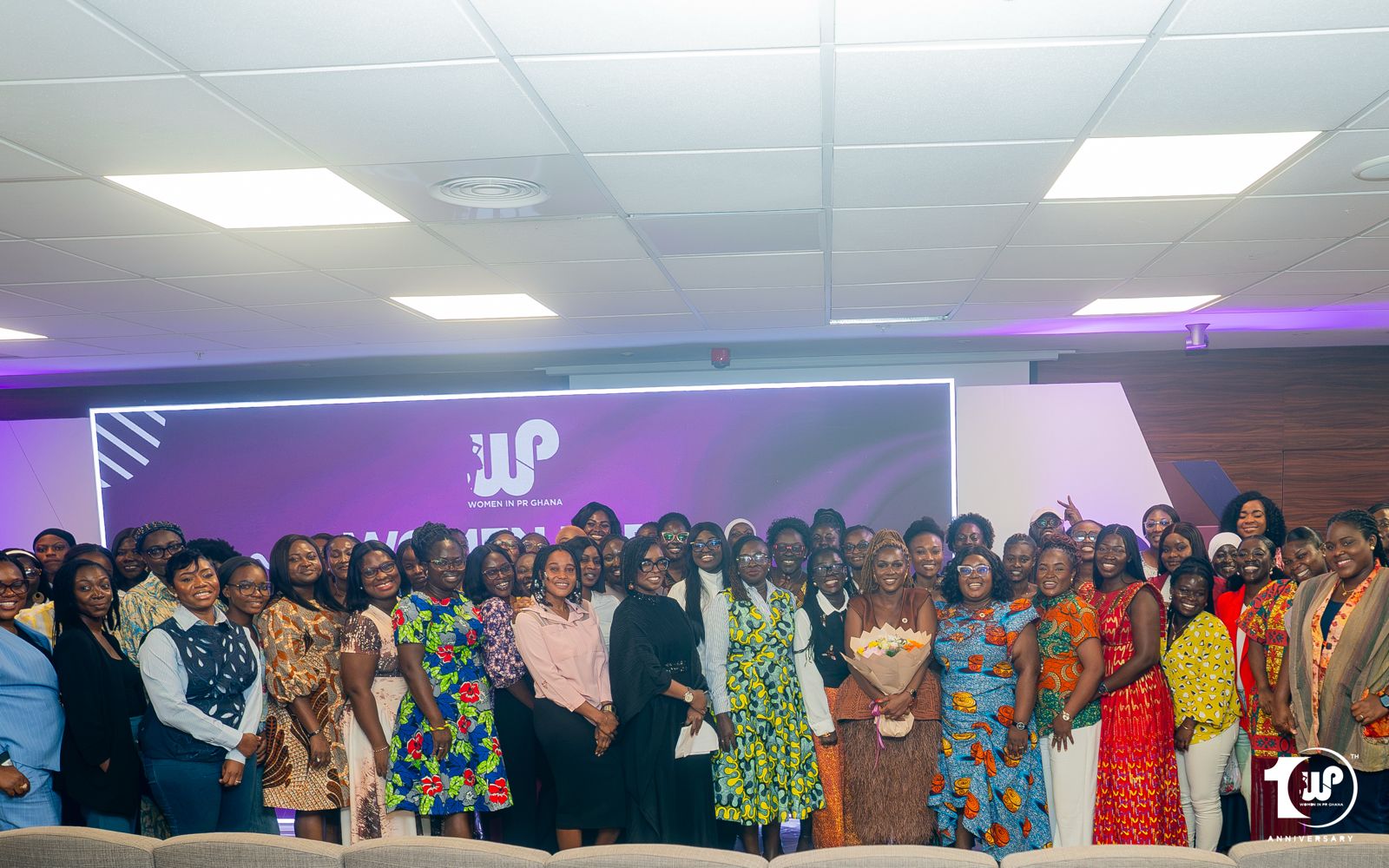
The three-day summit brought together communications professionals, corporate executives, policymakers, academics, students and industry leaders to reflect on the future of strategic communications in an increasingly complex, digital and technology-driven world.
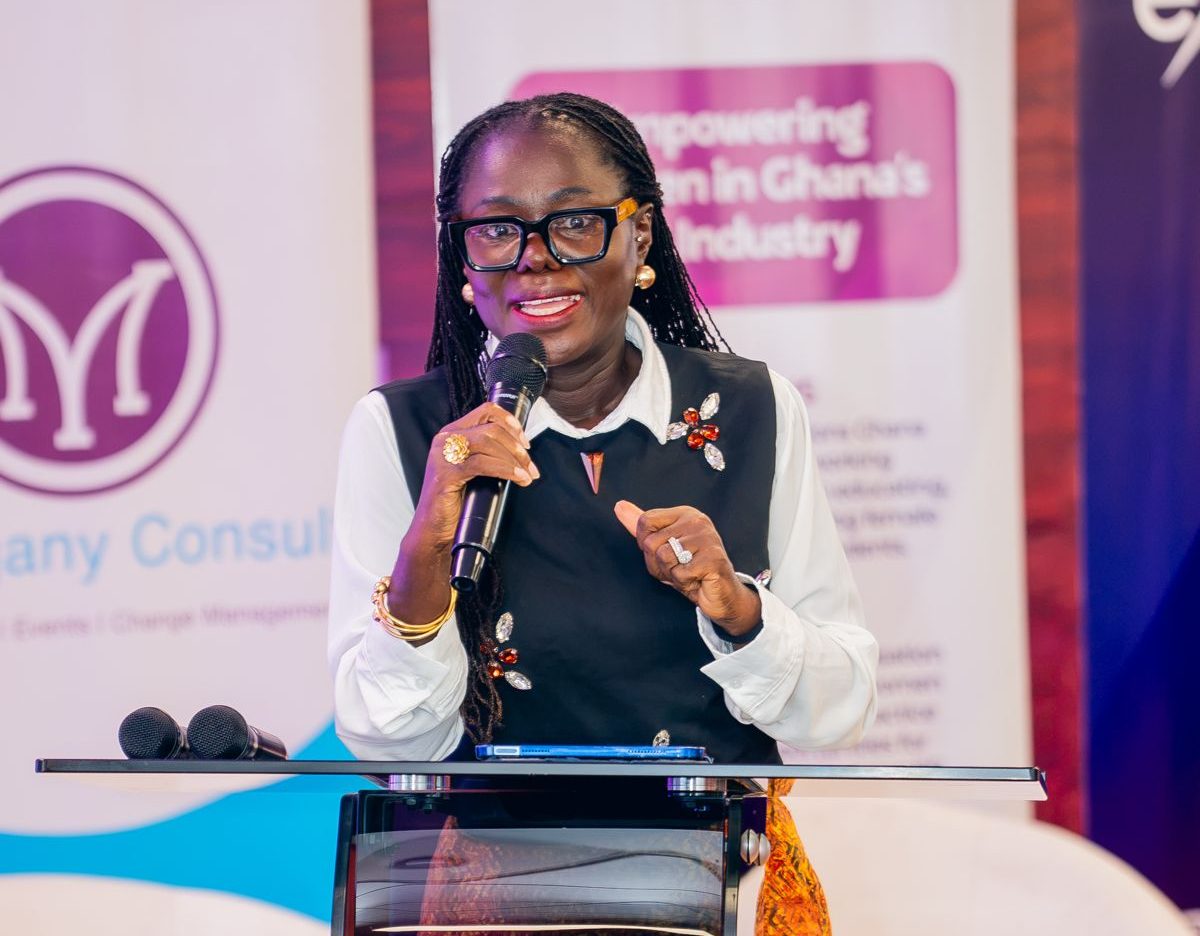
Delivering the closing keynote address, Senior Strategic Communications Leader Gifty Bingley urged practitioners to treat their careers as a journey of continuous evolution rather than a predictable linear path.
Speaking on “The Career Nobody Plans For: Lessons on Reinvention, Relevance and Influence,” she said communications professionals must deliberately adapt before change forces them to do so.
“Careers evolve because the world evolves. Staying relevant means choosing to adapt before change forces you to,” she said.
“Relevance is not what you claim. It is what your work consistently demonstrates.”
Her remarks reflected one of the central messages of the summit: that communications professionals can no longer rely only on technical competence, media relations or message delivery. They must become strategic advisers capable of interpreting change, guiding leadership decisions and protecting organisational trust.
The summit also turned attention to governance, public affairs and national policy.
Kate Addo, Coordinating Director of the Public Affairs Subdivision of Parliament, challenged practitioners to deepen their understanding of policymaking if they are to influence national development meaningfully.
“Policy cannot be influenced by communicators who do not understand it,” she said. “Understanding the nuances is what gives communication its power.”
Her intervention underscored the growing expectation that communications professionals must move closer to decision-making spaces, not merely explain decisions after they have been made.
The summit also devoted significant attention to responsible data governance and the implications of Ghana’s Data Protection Act for public relations and communications practice.
A panel featuring Teki Akuetteh, Founder and Executive Director of Africa Digital Rights Hub; Ohenewaa Brown, Communications Consultant; and Senanu Datsa, Head of Information Security at CalBank PLC, urged organisations to treat data protection not simply as a legal compliance issue, but as a matter of trust, reputation and ethical responsibility.
The discussion was particularly timely as communicators increasingly handle stakeholder data, digital campaigns, analytics, online communities, customer insights and artificial intelligence tools.
Panelists stressed that poor data governance can undermine public confidence, expose organisations to reputational damage and weaken the very trust that communications professionals are expected to build.
Beyond the thought leadership sessions, the summit also celebrated the impact of the Women in PR Ghana community itself.
President of Women in PR Ghana, Josephine Appiah-Nyamekye Sanny, said the summit had evolved beyond an annual conference into a professional platform where careers are built, mentorship is nurtured, collaborations are forged and communications professionals gain the confidence to influence decision-making at the highest levels.
A key highlight of the final day was a panel discussion featuring members from different generations of the organisation. They shared how Women in PR Ghana had shaped their careers through mentorship, networking, leadership development and professional visibility.
Their reflections pointed to the practical value of professional communities in helping women navigate an industry where influence, credibility and access to leadership spaces are increasingly critical.
Another defining moment was the recognition of Faith Senam Ocloo, Founder of Women in PR Ghana, for her pioneering role in establishing the organisation and laying the foundation for one of Ghana’s leading professional communities for women in communications.
She also officially launched activities leading to the organisation’s forthcoming 10th anniversary celebrations. These include research on women in public relations and national advocacy initiatives aimed at advancing the visibility, influence and leadership of women in the communications profession.
For the first time, the summit was expanded into a three-day programme, reflecting Women in PR Ghana’s growing investment in professional development across different career stages.
The summit opened with the maiden Women in PR Ghana Student Masterclass, organised in collaboration with the Department of Communication Studies at the University of Media, Arts and Communication and the Jobberman-HAPPY Program.
The full-day session was designed to bridge the gap between classroom learning and professional practice. It equipped aspiring communications professionals with practical insights into career pathways, professional presence, interview preparation and workplace readiness.
Students also participated in an interactive crisis communications challenge, analysing real-life scenarios and presenting strategic responses before a panel of communications professionals.
The second day focused on strategic influence in an era of rapid technological and societal change.
Participants were addressed by Lucy Quist, Founder of The Bold New Normal, and Rosy Fynn, Country Director of the Mastercard Foundation in Nigeria. Their reflections challenged communications professionals to rethink leadership, credibility and influence.
Speaking on “Leading Beyond Titles: Advocacy, Influence and Nation Building,” Ms Quist urged practitioners to position themselves as strategic advisers rather than message managers.
“If PR only manages messages, it is underperforming; real influence begins when communication starts shaping how leaders think and decide,” she said.
Ms Fynn, speaking on “What Nobody Tells You About Influence,” encouraged participants to prioritise credibility over visibility. She noted that while competence creates opportunities, integrity, trust and consistency are what sustain long-term leadership.
Artificial intelligence also featured prominently during the summit.
During a panel discussion on how AI, data and emerging technologies are reshaping communications practice, speakers encouraged practitioners to move beyond viewing AI merely as a productivity tool.
They urged communications professionals to adopt emerging technologies responsibly, with strong governance, ethical oversight and human-centred storytelling.
The message was clear: AI may change the speed, scale and tools of communication, but judgement, empathy, ethics and credibility will remain central to the profession.
Across the three days, speakers consistently challenged PR and communications professionals to move beyond routine execution and take up more strategic roles in organisations and society.
The summit reinforced the view that the future of the profession will not belong to practitioners who only write statements, manage events or respond to crises. It will belong to those who can interpret complexity, build trust, protect reputation, advise leadership and influence decisions before they are made.
For Women in PR Ghana, the 10th Annual Summit was therefore more than a milestone event.
It was a statement about where the profession must go next: towards stronger ethics, deeper policy understanding, responsible use of technology, greater leadership influence and a renewed commitment to building communicators who can shape change, not merely communicate it.

