
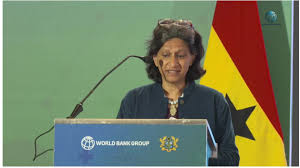

- World Bank Says Health Investment Is Critical to Unlocking Africa’s Demographic Dividend
Western and Central Africa’s rapidly expanding youth population presents one of the region’s most important economic opportunities, but weak health systems could turn that demographic promise into a development setback, the World Bank has warned.
Speaking at a high-level regional health strategy launch in Accra, Dr Rifat Hasan, Practice Manager for Health, Nutrition and Population at the World Bank Group, said the region is on track to record the fastest growth in young people globally, with the population aged zero to 24 expected to rise sharply by 2050.
But she cautioned that without targeted investments in health, nutrition and resilient service delivery, the youth surge could deepen inequality, weaken productivity and increase fiscal pressure instead of driving growth.
“Health investments are fundamental to unlocking the demographic dividend,” Dr Hasan said, stressing the link between better health outcomes, educational performance and labour market productivity.
The World Bank’s new regional strategy places human capital at the centre of its development approach, arguing that stronger health systems are essential to sustaining economic expansion, reducing vulnerability to shocks and improving the long-term earnings potential of young people.
The Bank’s position reflects a wider shift in development thinking: health is no longer being treated only as social expenditure but as infrastructure for growth.
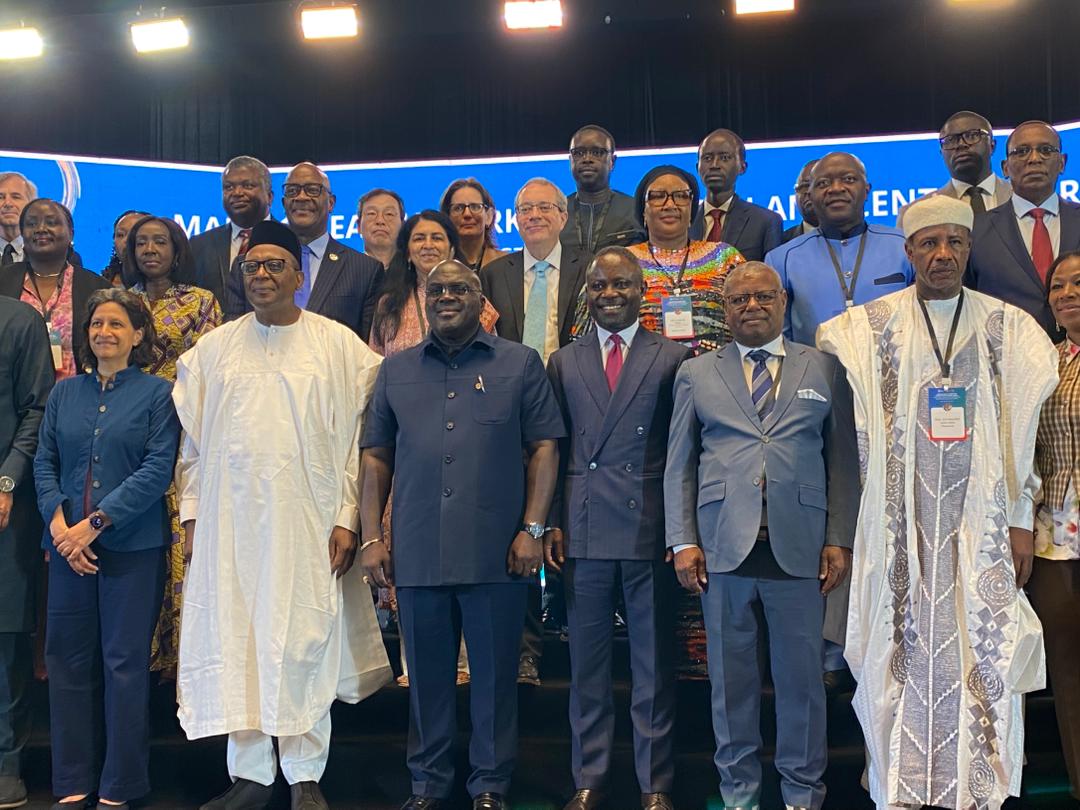
Data presented at the event showed that health interventions can have measurable economic effects. In Ghana, a firm-level survey found that 40 per cent of lost working days were attributable to malaria, underscoring the direct cost of preventable diseases on productivity. In Nigeria, targeted health interventions increased agricultural workers’ earnings by 12 per cent, demonstrating the link between healthier workers and higher incomes.
The strategy also frames healthcare as a job-creating sector in its own right. Expanding service delivery could generate up to 1.4 million skilled roles, including doctors, nurses and midwives, alongside approximately 800,000 community health workers. It could also create further opportunities in pharmaceutical manufacturing and medical supply chains.
Yet a convergence of 21st-century risks continues to expose the region’s health systems. The World Bank highlighted recurring infectious disease outbreaks, climate-related health shocks and worsening food insecurity affecting well over 40 million people.
Fragility and conflict are compounding the challenge, displacing millions and disrupting access to healthcare in already vulnerable communities.
The renewed emphasis on health comes as public pressure for better healthcare intensifies across the continent. Afrobarometer surveys cited at the launch show that health has become the leading concern for African citizens, surpassing unemployment and infrastructure deficits.
Respondents also strongly support government action to ensure universal healthcare access, even where that may require higher taxation. For policymakers, that signals a shift in public expectations around the social contract: citizens increasingly see healthcare as a core obligation of the state, not a discretionary service.
To respond, the World Bank is advocating a comprehensive approach that integrates health with broader development sectors, including education, agriculture, energy and digital infrastructure.
“Health is no longer a standalone sector,” Dr Hasan said. “It is central to productivity, resilience and long-term growth.”
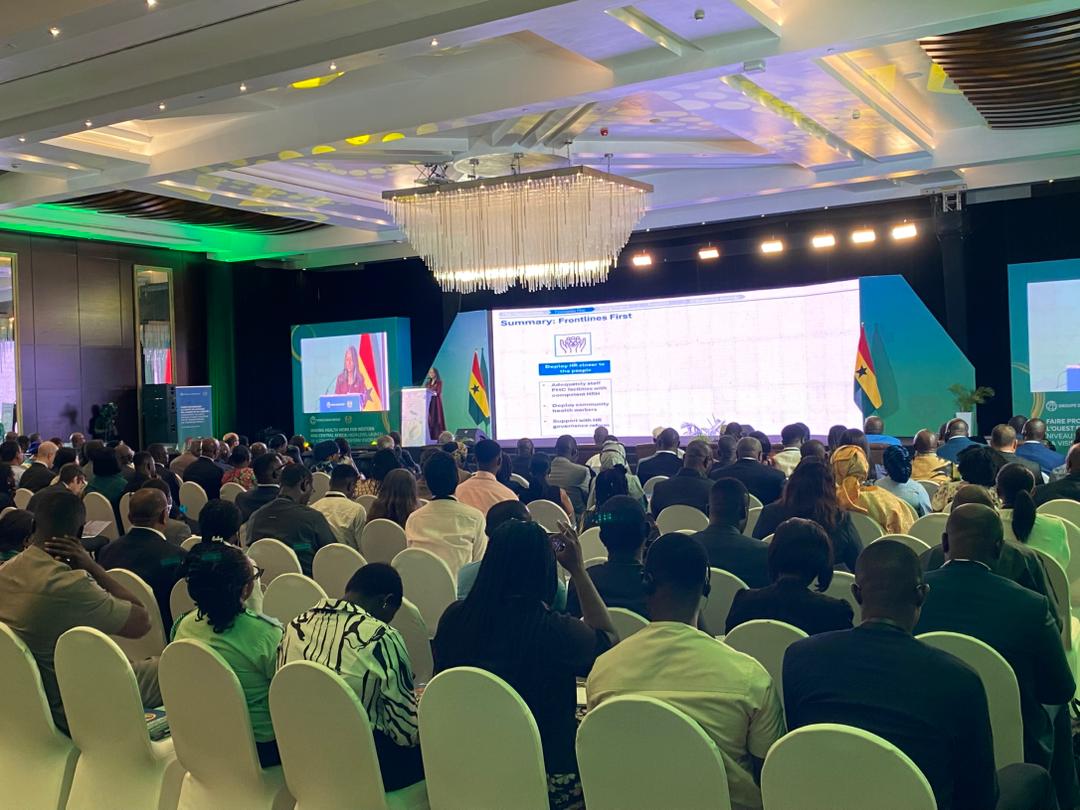
The strategy also incorporates the Africa Initiative for Medical Access and Manufacturing, known as AIM2030, which seeks to strengthen regional production of essential medical products, reduce dependence on imports and build health sovereignty.
That agenda has gained urgency since the COVID-19 pandemic exposed Africa’s vulnerability to external supply chains for vaccines, medicines, diagnostics and critical health equipment. For Western and Central Africa, local medical manufacturing is now being framed not only as a health security priority, but also as an industrial policy opportunity.
The World Bank’s message to governments is therefore direct: prioritising health is not only a social obligation, but an economic necessity.
As fiscal constraints tighten across the region, health investment will need to compete with infrastructure, debt service, security and other urgent spending demands. But the Bank argues that underinvesting in health could prove more costly over time by weakening productivity, worsening inequality and limiting the region’s ability to benefit from its demographic transition.
The opportunity is significant. A healthier young population could help power growth, deepen labour markets, expand domestic demand and strengthen resilience. But without decisive action, one of the world’s most promising demographic shifts could become another missed development opportunity.

